
A knuckle that puffs up overnight. An eyelid that swells shut after a bug bite. A knee that feels hot, tight, and stretched, with pain that stings and burns instead of just aching. If cold water or an ice pack feels better than heat, you already know the pattern that led generations of homeopaths to one specific remedy.
That remedy is Apis mellifica, prepared from the honeybee. In homeopathy, Apis is traditionally chosen for swelling that is hot, red, shiny, and stinging, and for discomfort that eases with cold applications.* It also appears as an active ingredient in modern homeopathic formulas, including ones carrying an FDA National Drug Code (NDC) listing — a registration marker worth understanding, though it's not the same thing as FDA approval (more on that below).
*These statements are based only on traditional homeopathic theory from the 1700s, not accepted by most modern medical experts. There is no scientific evidence that this product works.
In this guide you'll discover the traditional Apis mellifica symptom picture, how the remedy is made and potentized, what the research does and does not support, when swelling needs a doctor instead of a remedy, and how Apis works inside a multi-ingredient formula. No filler. Just what you need to know.
The Traditional Apis Mellifica Symptom Picture
Classical homeopathic texts describe Apis with a short, vivid list: heat, redness, inflammation, burning, stinging, and above all swelling. The symptom picture mirrors what an angry honeybee leaves behind.
That mirroring is deliberate. Homeopathy is built on matching a remedy's known effects to a person's symptoms, so bee venom became the reference point for puffy, stinging, heat-driven complaints.
Swelling, Edema, and Fluid Retention
Swelling is the keynote. Older materia medica writers used words like edema and dropsy for the puffy, waterlogged tissue that Apis was traditionally matched to.
The wider theme is fluid balance. Along with visible fluid retention, the traditional picture includes thirstlessness, meaning very little desire to drink even during fever or heat.
Heat, Redness, and Stinging Sensations
The pains are not dull. They are described as burning pains and sharp stinging sensations that come on suddenly, with skin that looks red, glossy, and feels warm to the touch.
Cold usually helps; warmth usually does not. That single modality is one of the clearest markers homeopaths use when considering this remedy over others.
Itching, Hives, and Allergic Skin Reactions
Apis also shows up in the traditional literature for itchy, raised skin conditions such as hives, sometimes called urticaria, along with mild allergic skin reactions.
Common traits in the classical Apis picture include:
Puffy, shiny swelling that pits or feels tight
Stinging or burning rather than throbbing pain
Relief from cold air, cold water, or cold compresses
Restlessness, fidgeting, and irritability during a flare
Little or no thirst despite feeling hot
Recognizing this picture is one thing. Knowing when a swelling is a home-care situation and when it needs a clinician is the more important skill.
When Localized Swelling Needs Medical Care
Some swelling is minor and self-limiting. Some is an emergency. The difference is speed, spread, and whether breathing or swallowing is involved.
Homeopathic remedies are traditionally used for temporary relief of minor symptoms.* They are not a substitute for urgent care, and no remedy should delay a call to a doctor or 911. For a general first-aid overview of what to do (and what to watch for) after a bite or sting, Mayo Clinic's insect bites and stings guide is a useful, independent reference.
Bee Stings and Insect Bites
A single sting on an arm or leg usually causes local redness, heat, and swelling that fades over a day or two. Cold applications and rest are standard sensible care.
Watch the size and spread. Swelling that keeps expanding well beyond the bite site, or a bite that becomes streaked and increasingly painful, needs professional evaluation.
Anaphylaxis and Throat Swelling
Anaphylaxis is a medical emergency, full stop. Swelling of the lips, tongue, or throat, trouble breathing, hives spreading over the body, dizziness, or vomiting after a sting calls for emergency care immediately.
The same urgency applies to a sore throat with visible swelling that makes swallowing or breathing hard. Tonsillitis and other throat infections can escalate, and they need a real exam.
Fever, Severe Pain, and Rapidly Worsening Symptoms
Fever changes the picture. Spreading redness with fever can point to conditions like erysipelas or a deep skin infection, and boils that grow hot and painful may need drainage or antibiotics.
Eye symptoms deserve their own caution. A swollen, red eye, a painful stye, or conjunctivitis with vision changes should be checked rather than managed at home.
Once you know where the line sits, it makes sense to look at how these remedies are actually made, because that shapes what they can reasonably do.
Homeopathic Preparation, Potencies, and Evidence
Homeopathic Apis is not raw bee venom in a bottle. It is made through a stepwise process of dilution and shaking that homeopaths call potentization.
That process is what separates a homeopathic remedy from a crude substance, and it explains why the labels look the way they do.
From Honeybee Source Material to Potentization
The starting material is the whole honeybee, which carries venom, along with other natural compounds. That source is prepared into a mother tincture.
The tincture is then diluted in stages, with vigorous shaking between each step. Each round produces a higher potency, and the original material becomes progressively less concentrated.
Reading 6C, 30C, 200C, and 1M Labels
The number and letter tell you the dilution scale and how many steps were used. X potencies, such as 3X and 6X, use a 1-in-10 dilution per step. C potencies, such as 6C and 30C, use 1-in-100.
Here is the plain version:
3X and 6X: low potencies often used in combination formulas
6C: low potency, traditionally repeated more often
30C: the most common household potency, including Apis mellifica 30
200C and 1M: higher potencies usually chosen by practitioners
Higher does not mean stronger in a conventional dose sense. In homeopathic practice, higher potencies are typically given less often, not more.
What Research Can and Cannot Confirm
Be straight about the evidence. Apis mellifica has a long record in homeopathic materia medica and in complementary medicine practice, but large, high-quality clinical trials on it are limited.
Homeopathic products in the United States are not proven to treat, cure, or prevent disease, and their traditional indications rest on homeopathic theory rather than modern clinical evidence — honest sourcing should say so plainly, not just in fine print.
That evidence gap matters most when symptoms overlap with conditions that genuinely require diagnosis.
Conditions That Should Not Be Self-Treated
Several complaints in the traditional Apis literature are, in modern terms, conditions requiring testing and medical management. Recognizing them protects you.
Homeopathic remedies may be used alongside care your clinician approves, but they should never replace a workup, and none of the following are something Apis mellifica or Blue Scorpion is intended to treat.
Urinary Burning, Cystitis, and Possible UTIs
Burning urination, urgency, and low urine output appear throughout the old Apis and Cantharis literature. Today, those same symptoms point to urinary tract infections.
UTIs need a urine test. An untreated infection can move upward and cause kidney inflammation, and prostatitis carries its own risks, so guessing is not worth it.
Persistent Joint or Generalized Edema
A single hot, swollen joint after a minor strain is one thing. Joint swelling that keeps returning, moves between joints, or comes with morning stiffness and fatigue suggests arthritis, including rheumatoid arthritis — conditions that need a clinician's diagnosis, not home remedies.
Swelling in both legs, the face, or the abdomen is a different alarm. Generalized edema can reflect heart, kidney, or liver problems and always needs evaluation.
Eye, Neurologic, and Pelvic Symptoms
Some historical Apis indications, such as meningitis, hydrocephalus, and peritonitis, are life-threatening. Severe headache with fever, neck stiffness, confusion, or a rigid abdomen means emergency care now.
Pelvic symptoms also need a real exam. Ovarian cysts, menstrual irregularities, PMS that disrupts your life, and any symptom during pregnancy belong with your clinician.
With those boundaries clear, the practical question becomes how Apis is best used day to day, and what it looks like inside a finished formula.
A Practical Relief Option From Blue Scorpion
For minor, everyday swelling and stinging discomfort, most people combine two things: cold applications on the outside and a homeopathic remedy taken by mouth as directed. Apis rarely works alone in modern formulas.
Classical practice compares it with related remedies for different patterns. Ledum for puncture wounds, Urtica urens for stinging hives, Bryonia for pain worse with motion, Natrum muriaticum as a complementary remedy, and Rhus toxicodendron for stiffness that eases with movement.
What's in the Formula, and What "Alcohol-Free" Means Here
Some people read every label closely for alcohol, dyes, and unnecessary additives, whatever their reason for doing so. This is a non-opioid, alcohol-free homeopathic liquid, taken orally as directed on the label, and formulated without those ingredients. For more on how homeopathic products fit into a broader pain-management picture, see Homeopathic Remedies for Pain Relief: Options, Uses, and What to Know.
The product also carries an FDA National Drug Code (NDC) listing. That means it's registered in the FDA's drug listing database with its ingredients and purpose disclosed — it is not an FDA approval or endorsement of safety or effectiveness. No homeopathic drug is FDA-approved. If you want the fuller explanation of that distinction, we've written about it here: FDA-Listed Vs. FDA-Approved: What NDC Listing Means.
How Apis Mellifica Fits With Heteroctenus Princeps and Rhus Toxicodendron
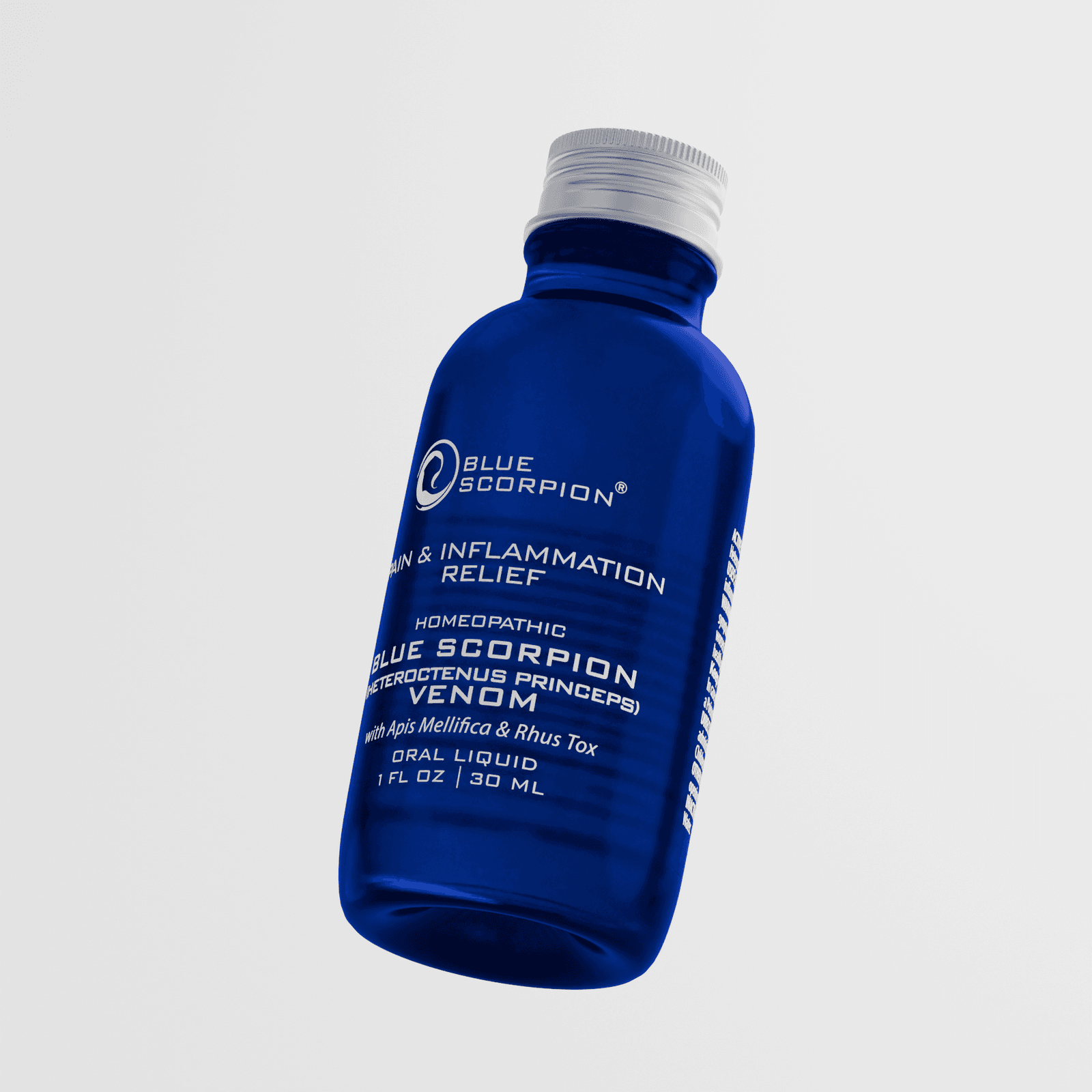
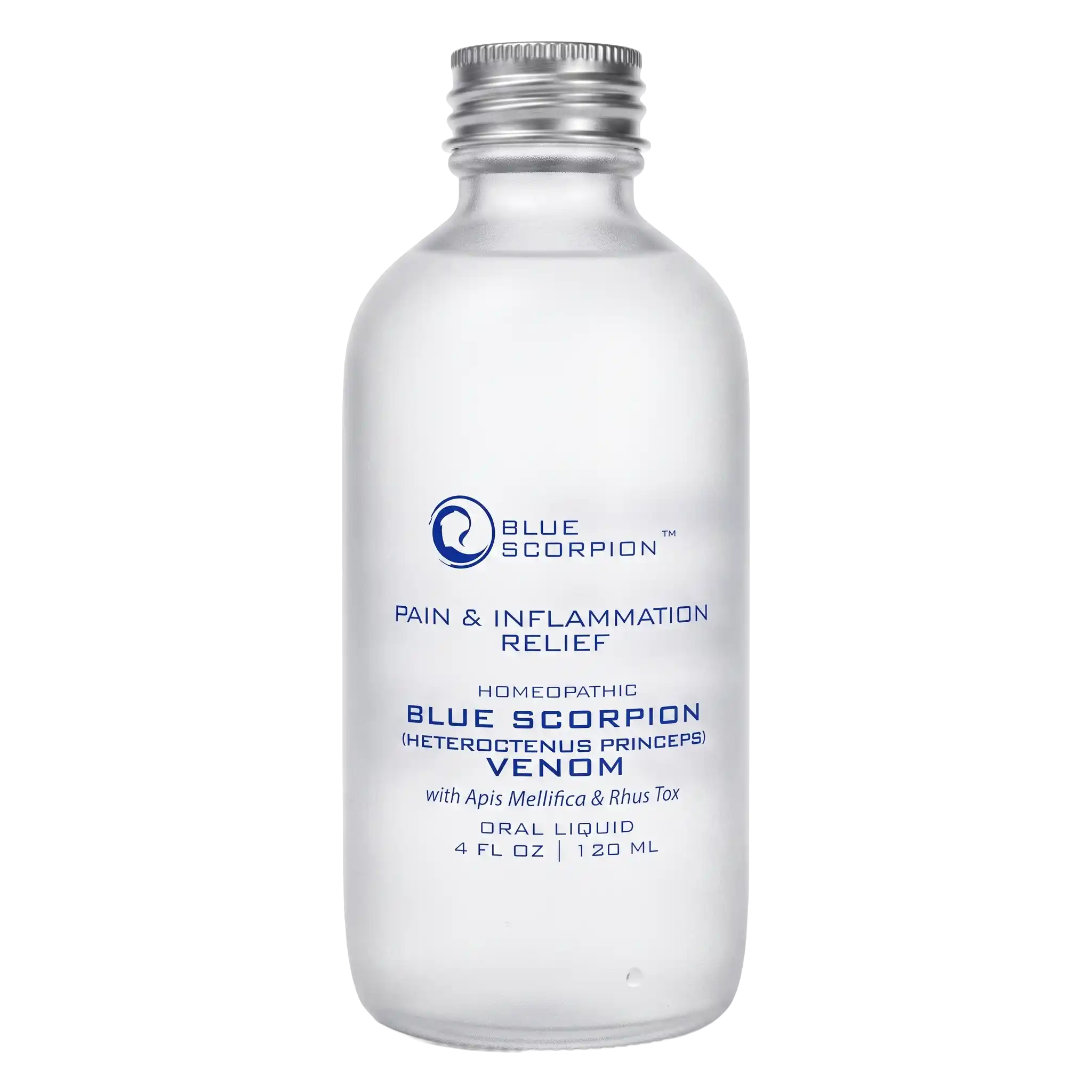
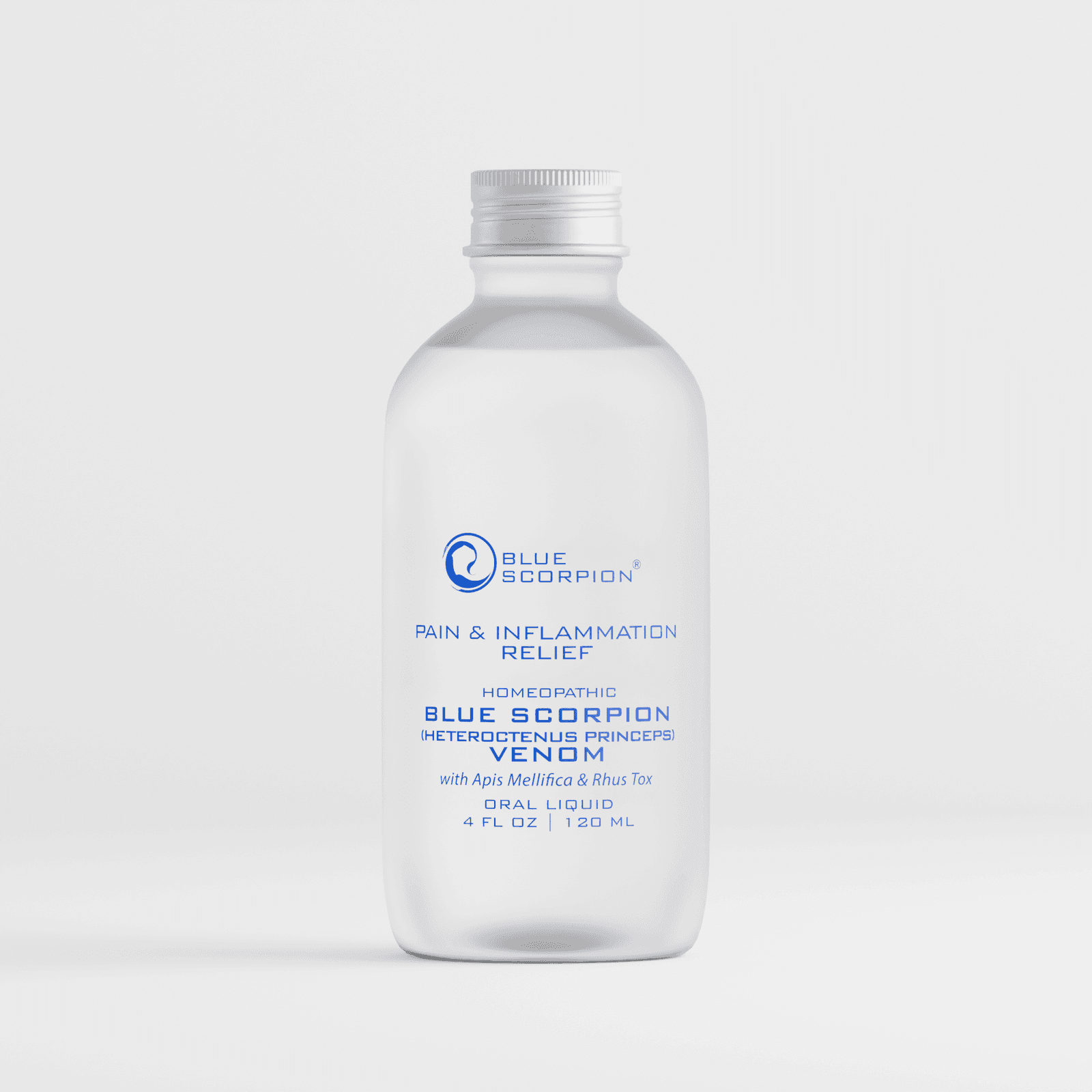
One formula pairs three homeopathic actives: Heteroctenus Princeps Venom 3X, Apis Mellifica 6X, and Rhus Toxicodendron 6X, each traditionally indicated for the temporary relief of minor pain and inflammation.*
The logic is complementary coverage. Apis Mellifica is traditionally matched to hot, puffy, stinging swelling; Rhus Toxicodendron to stiffness and aching; and Heteroctenus Princeps venom is homeopathically prepared through Blue Scorpion's proprietary process. You can read more about the ingredient combination on our inflammation-focused ingredient guide.
*These statements are based only on traditional homeopathic theory from the 1700s, not accepted by most modern medical experts. There is no scientific evidence that this product works.
Frequently Asked Questions
What Is Apis Mellifica Used For in Homeopathy?
It is traditionally used for temporary relief of minor swelling, stinging or burning pain, redness, and itchy skin reactions such as hives.* Homeopaths look for symptoms that feel better with cold and worse with warmth.
How Is Apis Mellifica Made?
It is prepared from the whole honeybee and processed into a mother tincture. That tincture is then diluted and shaken in repeated steps, a process called potentization, until the labeled potency is reached.
What Symptoms Is Apis Mellifica 30 Commonly Used For?
The 30C potency is a common household choice, traditionally used for minor insect sting swelling, puffy skin, and stinging discomfort that eases with a cold compress.* It is not intended for infections, spreading swelling, or breathing symptoms — those need medical evaluation.
What Is the Difference Between Apis Mellifica 6C, 30C, and 200C?
They differ only in how many dilution steps were used. Lower potencies like 6C are traditionally repeated more often, while 30C is standard for home use and 200C or 1M is usually reserved for practitioners.
How Often Can Apis Mellifica Be Taken?
Follow the dosing on the label of the specific product you own, since combination formulas and single remedies differ. As a general rule, stop repeating once symptoms improve, and seek care if there is no change.
What Side Effects or Risks Should Be Considered Before Taking Apis Mellifica?
Homeopathic potencies are highly diluted and generally well tolerated, but anyone with a bee or insect allergy should talk to a clinician first. If you are pregnant, nursing, or taking prescription medication, check before adding any new remedy.
*These statements are based only on traditional homeopathic theory from the 1700s, not accepted by most modern medical experts. There is no scientific evidence that this product works. This product is not intended to diagnose, treat, cure, or prevent any disease.
Using Blue Scorpion Alongside Sensible Self-Care
Take it as directed on the label and keep doing the basics: cold compresses, elevation, rest, hydration, and gentle movement once swelling settles. Track what changes and what does not.
If symptoms escalate or stall, call your clinician. A remedy is one layer of care, not the whole plan.
Blue Scorpion's Pain & Inflammation Relief is FDA NDC-listed and formulated with Apis Mellifica, Rhus Toxicodendron, and Heteroctenus Princeps. Bundle and Save when you shop the full lineup.*
*These statements are based only on traditional homeopathic theory from the 1700s, not accepted by most modern medical experts. There is no scientific evidence that this product works. Not evaluated by the FDA. Not intended to diagnose, treat, cure, or prevent any disease.