

Rhus toxicodendron homeopathy stands out when stiffness and soreness follow a very specific pattern. You wake up tight, take a few steps, and slowly things begin to loosen. That shift from discomfort to relief through movement is one of the clearest signals your body gives.
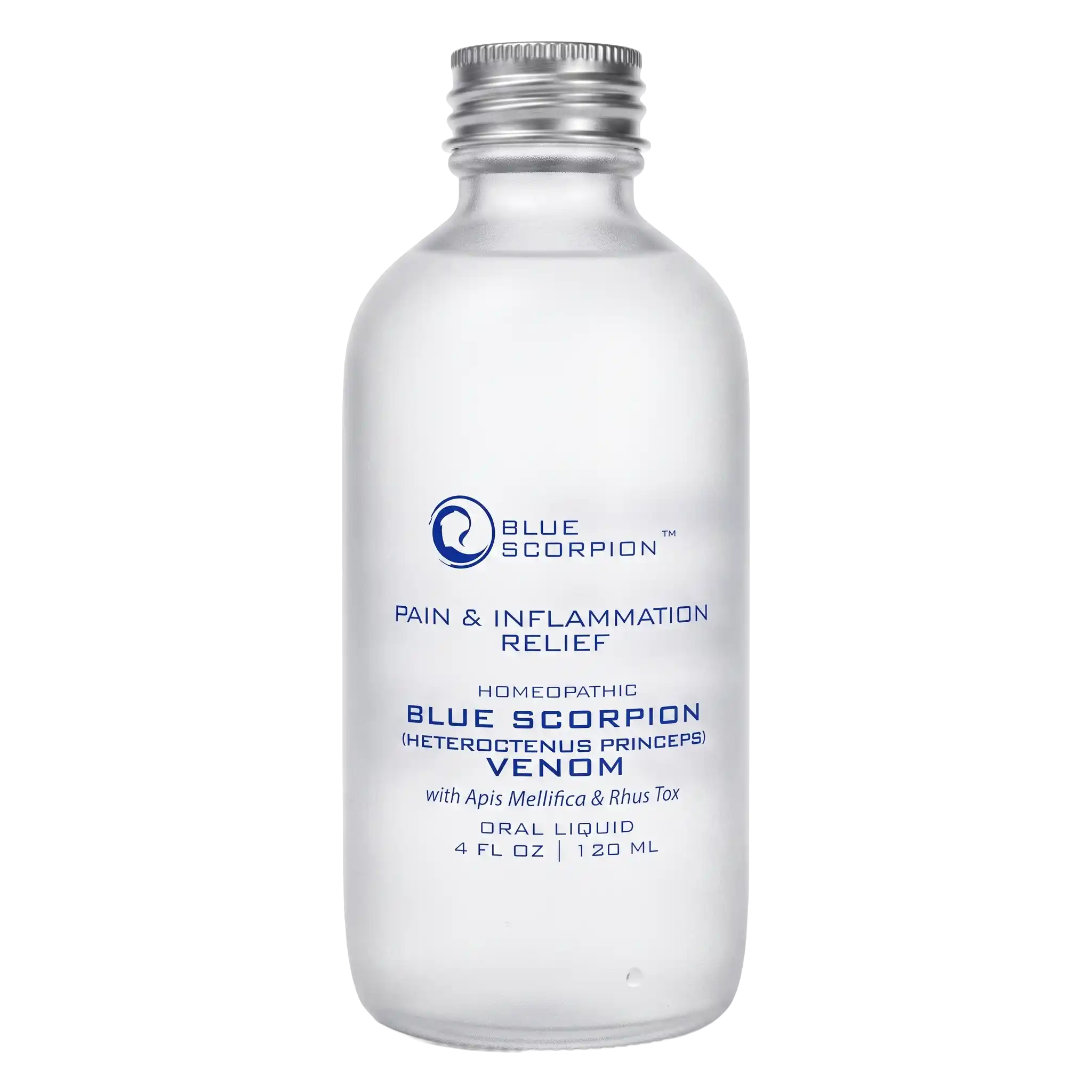
Blue Scorpion offers a natural, non-opioid, alcohol-free option that fits alongside this type of symptom-based approach. When stiffness, soreness, and inflammation overlap, a systemic solution can help support relief across joints, muscles, and nerves without adding synthetic strain.
In this article, you will learn how Rhus toxicodendron homeopathy works, how to recognize its key symptom patterns, and when it may fit your situation. You will also see how it compares to similar remedies and how to use it safely.
Pain That Eases With Continued Motion
One of the most obvious clues for this remedy is pain that starts off rough but gets better as you keep moving. Maybe it’s those first awkward steps out of bed - everything feels tight and sore - then, after a little walking, the pain fades. That’s classic Rhus tox territory.
Why Rhus Toxicodendron Homeopathy Follows a Movement Pattern
Rhus toxicodendron homeopathy is closely tied to a specific movement pattern where stiffness improves as the body becomes active. This pattern helps differentiate it from other remedies where rest, not motion, brings relief.
According to the National Center for Complementary and Integrative Health in “Homeopathy”, remedies are selected based on how symptoms change with factors like movement, rest, and environment.
Stiffness After Rest or In the Morning
Morning stiffness is another giveaway. If you wake up with joints or muscles that feel like they’re locked up, but then start to loosen once you move around, that’s a good sign. The stiffness usually hits hardest after you’ve been still for a while, like after sleeping or sitting too long.
Worse in Cold, Damp Weather
Complaints linked to Rhus tox often flare up when it’s cold, rainy, or humid. You might notice your aches and pains get worse as the weather changes, especially if it’s damp. This pattern pops up a lot for people with rheumatic aches, even if they don’t realize there’s a remedy for it.
Restlessness That Comes With Discomfort
Restlessness is a big part of the Rhus tox picture. It’s not just fidgeting - you just can’t get comfortable. You might find yourself shifting around constantly, hoping to find a position that helps. This urge to move isn’t random; it’s how the remedy’s pattern plays out in both nerves and muscles.
Where It Is Most Often Used
People use Rhus tox for all sorts of musculoskeletal aches and sometimes for flu-like symptoms. The remedy tends to help when stiffness, soreness, and aching are front and center.
Joint Pain, Arthritis, and Rheumatism
Joint pain is probably the top reason folks reach for this remedy. Rheumatic aches with stiff, swollen joints - especially when warmth and movement help - fit the Rhus tox profile. If your arthritis gets worse in damp weather, that’s a classic clue in homeopathic texts.
Muscle Pain, Back Pain, and Sciatica
Muscle pain from working out too hard, back pain from lifting, or that nagging ache running down your leg (sciatica) all fall into Rhus tox territory. The same logic applies: pain that improves with gentle movement but feels worse at first or after sitting still too long.
Sprains, Strains, and Overuse Injuries
Sprains and strains are classic uses. If you’ve stretched something too far or pushed too hard at the gym, and you notice that familiar stiffness that gets better with movement, Rhus tox is often one of the first remedies considered. It’s also used for overuse injuries that involve tendons or soft tissues.
Flu-Like States With Aching and Unease
Sometimes, Rhus tox comes up during flu-like illnesses. Deep body aches, a restless feeling, and a general sense of being out of sorts - especially when stiffness is part of the mix - can all point toward this remedy. Not being able to get comfortable is a telltale sign.
Skin Eruptions and Itchy Flare-Ups
Rhus toxicodendron, which comes from the poison ivy plant (Toxicodendron radicans), has a long track record in homeopathic skin care. The skin symptoms often mimic the joint ones: itching, burning, and blisters that make you squirm.
Poison Ivy-Type Reactions and Contact Rashes
It sounds odd, but the homeopathic form of poison ivy is used to treat rashes that look a lot like poison ivy itself. If you’ve got intensely itchy, red, blistered skin and the urge to scratch is almost unbearable, this fits the Rhus tox picture. That’s the “like cures like” idea in action.
Urticaria and Other Itchy Skin Ailments
Hives (urticaria) are another area where Rhus tox comes up. If you get raised, itchy welts that show up fast and feel worse at night or in cold air, it might be worth considering. The restless need to scratch or move is a big confirming clue, just like with muscle aches.
Herpes Zoster and Vesicular Eruptions
Shingles (herpes zoster) brings clusters of fluid-filled blisters that burn and itch along a nerve path. Rhus tox is one remedy that homeopaths have linked to this kind of eruption, especially if the burning eases a bit with warmth.
Clues That Point Toward a Better Match
Not every itchy rash is right for Rhus tox. If the skin’s hot, dry, and inflamed but doesn’t have blisters, or if warmth doesn’t help, another remedy could be a better fit. Practitioners look at the whole picture before deciding.
How Rhus Tox 30 and 200 Are Commonly Framed
Choosing the right potency is a bit of an art in homeopathy. Rhus tox 30 and 200 are the two strengths you’ll hear about most in self-care and professional circles.
Potency | Common Context | Typical Application |
Rhus Tox 30 | Acute, short-term use | Muscle soreness, minor sprains, acute stiffness |
Rhus Tox 200 | Deeper or recurring patterns | Chronic joint issues, recurring skin flares |
Rhus Toxicodendron 200 | Same as 200; alternate naming | Used interchangeably in professional settings |
Rhus Tox 30 in Short-Term Complaints
Rhus tox 30 is usually the first stop for short-term, acute problems. Pulled a muscle at the gym, woke up with odd morning stiffness, or got a skin flare from cold air? Practitioners often suggest starting with 30c. In these cases, doses are repeated more often at first, then spaced out as things improve.
Rhus Tox 200 in Deeper or Recurring Patterns
Rhus tox 200 comes into play when symptoms stick around or when 30c didn’t quite do the trick. Recurring joint stiffness, stubborn back pain with the Rhus tox pattern, or a skin issue that keeps coming back - these all might call for a higher potency. Dosing is less frequent here.
Rhus Toxicodendron 200 and Potency Language
You might see it labeled as Rhus toxicodendron 200 or just Rhus tox 200. Same thing, really. The full Latin name and the short version both point to the same remedy and dilution.
Why High Potencies Call for Professional Oversight
Higher potencies like 200c need a more tailored approach. If you don’t match the remedy to your symptoms pretty closely, you probably won’t get the results you want. That’s why professional input makes sense at this level.
An experienced homeopath will look at your physical, emotional, and even environmental patterns before recommending a high potency.
Preparation, Potentization, and Safety Basics
In its raw form, Rhus toxicodendron is a nasty irritant. Homeopathic prep turns Toxicodendron radicans into a safe, diluted remedy through a careful process. Understanding how it’s made explains why the final product acts so differently from the original plant.
From Poison Ivy Plant to Homeopathic Form
It starts with fresh poison ivy leaves, which are used to make a liquid called a mother tincture. That tincture gets diluted over and over, each time following a strict ratio. For example, a 6x potency has been diluted and shaken six times, cutting the concentration each round.
Why Succussion Matters in Preparation
Succussion - basically, hard shaking - happens between each dilution. In homeopathy, this isn’t just busywork; it’s considered key to “activating” the remedy at each step.
Without it, you’d just have a weaker version of the original, not a homeopathic remedy. It’s a big part of what sets homeopathy apart from simple dilution.
When Self-Prescribing Can Be Risky
Self-prescribing works well for simple, short-term issues that clearly match the remedy. It gets risky if your symptoms don’t fit neatly, if several remedies seem possible, or if you’ve been dealing with something for months.
Picking the wrong remedy at low potencies probably won’t hurt, but it can waste time and delay finding what actually helps.
When Conventional Medical Care Should Come First
Homeopathic remedies - including Rhus tox - aren’t substitutes for urgent medical care. If you have severe joint swelling, signs of infection in a rash, sudden nerve pain, or anything that’s getting worse fast, see a doctor first.
Natural options can support your well-being, but they’re not a replacement for real medical attention when you need it.
Constitutional and Clinical Clues Practitioners Watch For
Beyond the obvious symptoms, skilled homeopaths look for a cluster of physical and behavioral clues to confirm Rhus tox. These details help build the overall constitutional picture.
The Rusty-Gate Style of Movement
Picture a rusty gate: stiff and resistant at first, then loosening up with a few swings. That’s how people often describe their movement with Rhus tox - initial soreness and resistance, then things get easier as you keep moving. This applies to joints, muscles, and sometimes even mood.
Nighttime Unease and Vivid Dreams
Nights can be rough in the Rhus tox state. Restlessness makes it tough to stay still in bed; you might toss, turn, or get up to stretch. Sometimes, vivid or anxious dreams add to the overall unease. This sleep pattern matters when it shows up with physical symptoms.
Tongue and Skin Signs Sometimes Noted
A triangular red tip on the tongue is a quirky clue that sometimes pops up with this remedy. If a practitioner sees that, along with blisters and the classic stiffness, it can boost their confidence in choosing Rhus tox. You won’t see this in every case, but it’s a nice confirming detail when it appears.
When Similar Remedies May Be Considered Instead
Rhus tox isn't the only option out there for stiff joints or skin flares. Sometimes, it just doesn't quite match what you're dealing with. In those cases, a few other homeopathic remedies might be worth a look:
Bryonia: Joint pain that gets worse with any movement, but feels better when you rest completely. Basically, the opposite of Rhus tox.
Apis Mellifica: Swelling, redness, and a stinging pain, especially if you're sensitive to heat.
Ruta Graveolens: Soreness deep in the bones, especially after tendon or ligament injuries.
Causticum: Stiffness that comes with a raw, almost burning sensation. Often pops up in long-term rheumatic issues.
Picking the right remedy really depends on your unique symptoms. A practitioner will look at what makes things worse or better, where it hurts, and any other odd details before suggesting something.
Some formulas combine Rhus Toxicodendron with other ingredients like Heteroctenus Princeps venom and Apis Mellifica for a more well-rounded effect. These non-opioid, alcohol-free liquids aim to help with joint discomfort, muscle soreness, and skin irritation.
They fit into a daily routine if you're after a multi-symptom, naturally sourced approach. Maybe give one a try and see if it meshes with your style of natural wellness.
Recognizing When Movement Is the Key Signal
Rhus toxicodendron homeopathy offers a clear path for those dealing with stiffness that improves through movement. By recognizing this pattern, you can better match your symptoms to a remedy that supports relief and daily comfort.*
Blue Scorpion complements this approach by offering a natural, non-opioid, alcohol-free option that works systemically. When stiffness, soreness, and inflammation overlap, it helps support a more balanced recovery routine without relying on synthetic ingredients.*
If your discomfort follows this movement-based pattern, exploring Rhus toxicodendron homeopathy may help you better understand what your body needs. Get Relief and start supporting your recovery today.
These statements haven't been evaluated by the Food and Drug Administration. This product isn't intended to diagnose, treat, cure, or prevent any disease.
Frequently Asked Questions
What is Rhus toxicodendron homeopathy?
Rhus toxicodendron homeopathy is a remedy used based on a specific symptom pattern where stiffness improves with movement. It focuses on matching how discomfort behaves rather than just where it occurs.
How does Rhus toxicodendron homeopathy work?
Rhus toxicodendron homeopathy works by aligning with symptoms such as stiffness after rest, soreness that improves with motion, and discomfort that worsens in cold or damp conditions.
When should I consider Rhus toxicodendron homeopathy?
You should consider Rhus toxicodendron homeopathy when your symptoms include stiffness after inactivity that improves once you start moving and continues to ease with activity.
Can Rhus toxicodendron homeopathy help with muscle and joint pain?
Rhus toxicodendron homeopathy can help with muscle and joint discomfort when the pain follows its characteristic pattern of improving with movement.*
Is Rhus toxicodendron homeopathy safe to use?
Rhus toxicodendron homeopathy is generally safe when used as directed. It is important to seek medical care for severe or unusual symptoms.