

Stiff fingers in the morning, aching knees after a short walk, that dull, persistent throb in your knuckles that never fully goes away. If you live with arthritis, you already know the symptom better than any description could capture. What you may not know yet is how wide the range of natural relief options actually is, from movement and diet to homeopathic formulas built around traditional homeopathic ingredients.
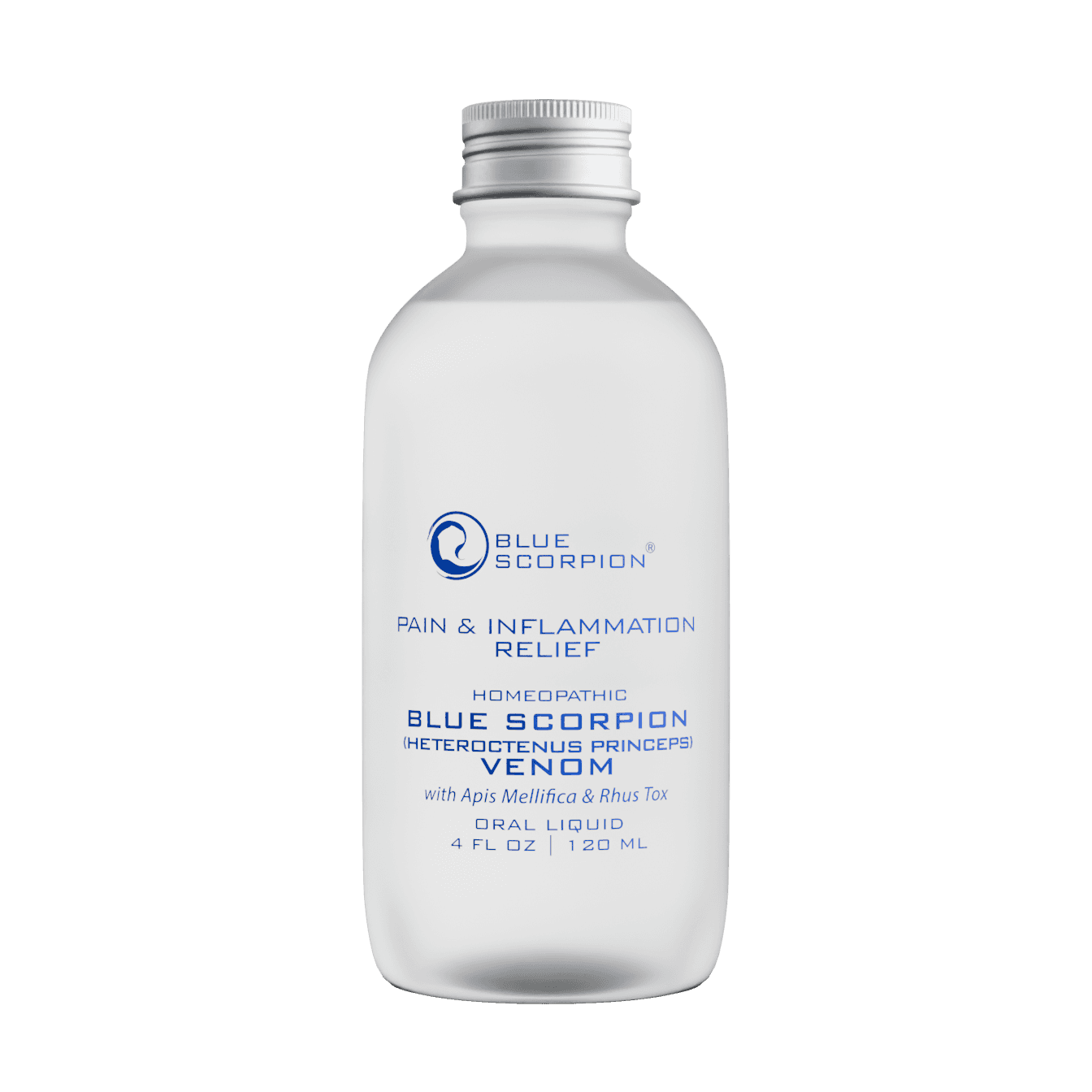
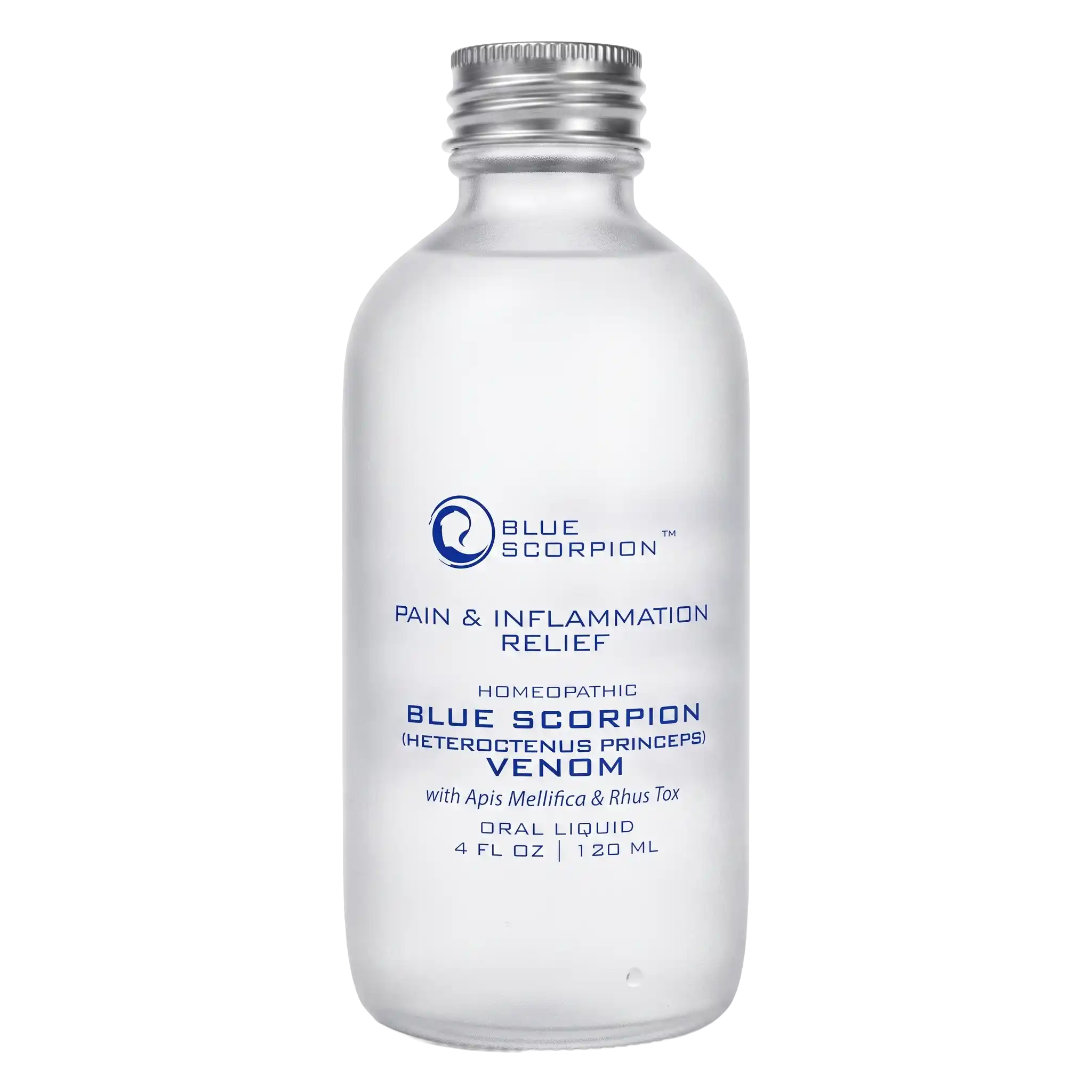
Among natural remedies for arthritis pain relief, homeopathic OTC formulas have gained credibility alongside dietary and physical approaches. Blue Scorpion Pain and Inflammation Relief is one example: an FDA NDC-listed, non-opioid homeopathic formula built around active ingredients such as Heteroctenus princeps, Apis Mellifica, and Rhus toxicodendron, formulated for the temporary relief of pain and inflammation.
Keep reading to learn how realistic natural relief works, and which movement, food, and topical strategies can make a consistent difference. This guide covers the practical range of options for anyone who wants to support their joints without pharmaceutical side effects.
What Arthritis Discomfort Feels Like Day to Day
Arthritis does not announce itself the same way every day, and that unpredictability is one of its most frustrating qualities.
Joint Stiffness, Swelling, and Aching
Most people notice it first as stiffness that takes real time to shake off. Morning stiffness in osteoarthritis tends to last under 30 minutes, while stiffness from inflammatory types can linger much longer. The affected joint often feels thickened or swollen to the touch, and the aching has a deep, pressured quality that is different from a surface-level bruise or muscle pull.
Swelling in the joint space is driven by inflammation in the synovial tissue that lines the joint. That swelling adds physical pressure on the joint, amplifying pain signals. Over time, repeated inflammation can make the cartilage less resilient, which is why managing the inflammatory response consistently, not just during flares, matters so much.
The aching itself tends to shift location during the day. You might feel it in your knees first thing in the morning and in your hands by afternoon. This pattern reflects how load, temperature, and activity levels all influence the inflammatory state of each joint.
Why Symptoms Often Flare at Different Times
Arthritis symptoms often worsen in cold or damp weather, and they can spike after periods of unusual activity or rest. Sitting still for too long tightens the joint fluid, making that first step after getting up from a chair feel sharper than expected.
Stress is another underappreciated trigger. When your nervous system is in a heightened state, the body's inflammatory response tends to follow. Poor sleep compounds this further, because the body does much of its tissue repair during deep sleep cycles.
Understanding your own flare pattern, whether it is weather, activity load, or sleep quality, is the first step toward building a daily routine that actually works. That pattern also shapes which natural approaches are likely to help most.
What to Expect From a Natural Relief Plan
Natural approaches to arthritis relief are credible, practical, and widely supported, but they require honest expectations to work well.
Relief Versus Long-Term Disease Management
Natural remedies for arthritis pain can offer meaningful temporary relief* and support better daily function, but they do not reverse joint damage that has already occurred. This is not a limitation unique to natural approaches; most conventional pain medications share the same boundary. The goal of a natural plan is consistent symptom support, not a structural fix.
The distinction matters because it changes how you measure success. If you start a dietary shift and a homeopathic formula expecting your joints to feel like they did at 25, you will likely be disappointed. If you measure success by fewer bad mornings, a wider range of comfortable motion, and less reliance on other products, the results are often genuinely positive.
That framing makes consistency the deciding variable. Natural relief tends to build over time with regular use, not from a single dose or a single week of better eating. The approaches that tend to work best are the ones you can maintain daily without disruption.
How to Set Realistic Expectations for Daily Support
Most natural approaches take days to weeks before their effects are noticeable. Dietary changes that reduce systemic inflammation typically show results over two to four weeks. Homeopathic formulas, when used as directed, are designed for daily consistent use rather than on-demand spot relief.
Here is what a realistic natural relief plan can reasonably support:*
Reduced morning stiffness with consistent use
Improved range of motion after regular low-impact movement
Lower perceived pain intensity during daily activities
Better sleep quality as nighttime discomfort decreases
Greater comfort during activity as inflammation is addressed systemically
Setting a 30-day baseline before evaluating a natural remedy is a fair and practical approach. Building the habit matters as much as the specific product or method.
Movement Strategies That Support Easier Joints
Movement is one of the most researched natural tools for arthritis, and it works best when it is gentle, consistent, and structured around your specific joint limitations.
Low-Impact Exercise and Range-of-Motion Work
Swimming, cycling, and walking are the three most commonly recommended aerobic activities for people with joint discomfort because each one moves the joint through its full range of motion without the impact forces that worsen inflammation. Strength training around the affected joint also matters: stronger surrounding muscles take load off the joint itself, which directly reduces pain signals during daily movement.
Range-of-motion exercises, performed slowly and within comfortable limits, help circulate synovial fluid through the joint. That fluid lubricates the cartilage surfaces and reduces the grinding sensation that comes with cartilage thinning. Even five to ten minutes of gentle circular movements in the morning can noticeably ease stiffness before the day starts.
The key is not intensity; it is frequency and gentleness. Pushing through sharp pain during exercise is counterproductive with arthritis. A small amount of daily movement consistently outperforms an occasional intense session.
Heat, Rest, and Recovery Habits That Matter
Heat therapy works best for stiffness and muscle tension surrounding the joint. A warm compress or heating pad applied for 15 to 20 minutes before activity helps relax the tissue and increase blood flow. Cold therapy is more useful during active flares, when swelling is present, and the joint feels hot to the touch.
Rest does not mean inactivity; it means pacing. Alternating active periods with short rest breaks reduces cumulative joint strain across the day. Overdoing activity in the morning and suffering for it in the evening is a pattern many people with arthritis recognize and can work to avoid with intentional scheduling.
Recovery habits compound over time. Better sleep, consistent movement, and sensible pacing contribute to a lower baseline of daily discomfort, which in turn makes other remedies more effective.
Food and Lifestyle Choices That May Calm Inflammation
What you eat daily plays a measurable role in how your joints feel, and the evidence behind anti-inflammatory diets for arthritis has grown substantially.
Diet Patterns That Support Joint Comfort
The dietary pattern with the most consistent research support for inflammation is a whole-food diet rich in vegetables, fruits, legumes, fatty fish, and nuts, while limiting processed foods, refined sugar, and saturated fat. Omega-3 fatty acids found in fatty fish like salmon and sardines are particularly relevant because they directly support the body's ability to manage inflammatory signaling.
Specific foods frequently highlighted in joint health research include:
Fatty fish (salmon, mackerel, sardines) for omega-3 content
Dark leafy greens (spinach, kale) for antioxidant density
Berries (blueberries, strawberries) for polyphenol compounds
Olive oil as a primary cooking fat with anti-inflammatory properties
Ginger and turmeric, which contain compounds studied for inflammatory pathways
Nuts and seeds for healthy fats and magnesium
No single food resolves arthritis on its own. The pattern across your meals, maintained over weeks and months, is what creates the systemic effect your joints can actually feel.
Sleep, Stress, and Body Weight Considerations
Chronic poor sleep is directly associated with higher pain sensitivity. The body processes inflammatory signals during sleep, so cutting that window short keeps the inflammatory response more active the following day. Prioritizing sleep quality is not a soft lifestyle suggestion; it is a physiological lever for pain management.
Body weight matters practically. Research suggests that every pound of excess weight adds roughly four pounds of pressure across the knee joint with each step. Even modest weight reduction can produce meaningful improvements in knee pain and function without any other intervention.
Stress management belongs in any natural arthritis relief plan because cortisol and other stress hormones can amplify inflammatory responses. Regular breathing practice, light movement like tai chi or yoga, and social connection all reduce the physiological burden on your joints over time.
Topical and Homeopathic Options to Consider
Topicals and homeopathic formulas serve different roles in a natural relief routine, and understanding that difference helps you use each one appropriately.
Where Creams, Gels, and Patches Fit In
Topical products work by delivering active compounds directly to the skin above the affected joint. Capsaicin creams work by desensitizing pain nerve fibers in the skin, which reduces the perception of discomfort around the joint. Menthol and camphor products create a cooling or warming sensation that distracts from underlying pain signals, though the relief often fades when the sensation wears off.
Arnica and comfrey gels are herbal topicals traditionally used for joint and muscle discomfort. The limitation of most topicals is that their action is localized. They support the area you apply them to, but they do not address the systemic inflammatory process driving the underlying symptom.
For people with discomfort in multiple joints or throughout the body, a topical alone often provides incomplete support. That is where systemic approaches, including dietary changes and oral homeopathic formulas, become relevant.
How Homeopathic Formulas Are Used for Symptom Relief
Homeopathic remedies are formulated from highly diluted natural substances that follow principles established by the Homeopathic Pharmacopeia of the United States. They are designed for temporary symptom relief* and are generally considered non-toxic and free of known drug interactions when used as directed.
Two ingredients frequently used in homeopathic joint and inflammation formulas are Apis Mellifica and Rhus Toxicodendron. Apis Mellifica is derived from the honeybee and is traditionally used to support temporary relief of swelling, redness, and discomfort.* Rhus Toxicodendron is derived from poison ivy and is traditionally used for temporary support with joint stiffness, muscle discomfort, and restlessness.
* Each addresses a slightly different symptom profile, which is why multi-ingredient formulas can provide broader support than a single-ingredient remedy.
What to Know About FDA NDC-Listed Blue Scorpion
Blue Scorpion Pain and Inflammation Relief is the only Blue Scorpion venom-based homeopathic medicine listed with the FDA under National Drug Codes. It combines Heteroctenus Princeps venom with Apis Mellifica and Rhus Toxicodendron into a single systemic formulation for the temporary relief of pain and inflammation.
It is non-opioid, alcohol-free, and manufactured in a cGMP-certified, FDA-registered facility. For adults with arthritis-related joint discomfort, this sublingual formula is traditionally used for the temporary relief of pain and inflammation, including minor aches and discomfort.*
Choosing a Routine You Can Stick With
The most effective natural arthritis relief routine is not the most elaborate; it is the one you consistently follow every day.
How to Compare Safety, Convenience, and Consistency
When comparing natural approaches, three practical filters help narrow the options: how safe is it for daily use, how easy is it to integrate, and how likely are you to keep using it for weeks or months? A remedy that requires complex preparation or significant time investment is easy to abandon during a busy or painful week.
Anti-inflammatory diet. Moderate daily ease, with a high safety profile. Effects work systemically, supporting the whole body rather than one area.
Low-impact exercise. Moderate daily ease, with a high safety profile when done with proper guidance. Systemic in its effects, building resilience over time.
Topical creams or gels. Easy to fit into a daily routine, generally a high safety profile. Effects are local, targeting the specific area of discomfort.
Oral homeopathic formula. Very easy to use day-to-day, with a high safety profile when used as directed. Works systemically throughout the body.
Heat or cold therapy. Easy to apply, with a high safety profile when used correctly. Effects are local to the treated area.
Combining approaches increases total benefit. A dietary shift, daily movement, and a consistent homeopathic formula taken in the morning and evening cover systemic, physical, and supplemental angles at once.
When to Talk With a Healthcare Professional
Natural remedies work alongside medical care, not in place of it. If your arthritis has been formally diagnosed, your prescribing physician should know about any new supplements or homeopathic products you begin using. People who are pregnant, breastfeeding, or managing other health conditions should consult a healthcare provider before starting any new product.
If symptoms worsen significantly, if a joint becomes acutely hot and swollen, or if you experience new symptoms, a medical evaluation is the right next step before adjusting your natural routine. Natural approaches are most effective when they are part of a well-informed personal health plan rather than a substitute for one.
A Practical Next Step for Non-Opioid Support
If you have been looking for an entry point into natural arthritis relief, starting with two or three changes at once is more effective than trying to overhaul everything simultaneously. Adjust one dietary pattern, add a short daily movement routine, and introduce a consistent natural remedy you can sustain.
Frequently Asked Questions
Why do my joints ache and feel stiff first thing in the morning, and what helps loosen them up?
Morning joint stiffness is caused by reduced circulation and synovial fluid movement during sleep, which leaves the joint space less lubricated and more compressed. Gentle range-of-motion movements immediately after waking, such as slowly opening and closing your hands or rotating your ankles, help redistribute synovial fluid and ease that initial stiffness.
Warmth, such as a morning shower or heating pad, also increases blood flow to the joint and accelerates the loosening process.
Which non-opioid, alcohol-free topical ingredients tend to calm sore knuckles and knees during a flare?
Capsaicin, derived from chili peppers, is one of the best-studied topical ingredients for temporary arthritis pain relief. It works by depleting substance P in the nerve fibers near the skin, which reduces pain perception in that area. Menthol-based topicals can provide short-term comfort through a counterirritant effect, though that relief is tied to the cooling sensation and does not address underlying inflammation.
How do Rhus Toxicodendron and Apis Mellifica differ in the type of swelling and tenderness they're used for?
Rhus Toxicodendron is traditionally used to support temporary relief of stiffness that improves with initial movement, muscle soreness, and restlessness at rest. Apis Mellifica is traditionally indicated for swelling that appears puffy or fluid-like, along with redness and stinging-type discomfort. The two ingredients address overlapping but distinct symptom patterns, which is why they are often combined in multi-ingredient homeopathic formulas for broader joint support.
What does an FDA NDC listing actually tell me about a homeopathic pain-relief product's identity and labeling?
An FDA National Drug Code identifies a specific drug product by its labeler, formula, and packaging. It means the product has been registered with the FDA and is subject to labeling and manufacturing standards that apply to OTC drug products.
For homeopathic products, an NDC listing signals that the formulation follows the Homeopathic Pharmacopeia of the United States and is produced under regulatory oversight, not simply marketed as a supplement without accountability.
How can I tell the difference between inflammation-driven pain and nerve-like burning in my hands or feet, and what approach fits each?
Inflammation-driven arthritis pain tends to feel like deep aching or pressure, often with visible swelling and warmth in the joint. Nerve-like burning, tingling, or shooting sensations feel different often more superficial or diffuse rather than centered in one joint. Burning or tingling that persists is worth discussing with a healthcare professional.
Inflammation-driven discomfort responds well to movement, dietary changes, heat, and homeopathic formulas like those containing Apis Mellifica and Rhus Toxicodendron. For minor nerve-related discomfort, Blue Scorpion's homeopathic formula containing Heteroctenus Princeps venom is used for the temporary relief of pain and inflammation, including minor aches and discomfort.*
What simple at-home routine (heat, cold, movement, and topical use) is most practical for daily joint pain management?
A practical daily routine might begin with five minutes of gentle range-of-motion movement in the morning, followed by a warm compress on the most affected joints. During active flares with visible swelling, cold applied for 10 to 15 minutes is more appropriate than heat.
A homeopathic formula taken under the tongue morning and evening, as directed, adds systemic support throughout the day. Ending the day with light stretching and consistent sleep timing helps the body manage inflammation overnight.
Your Path to Lasting Joint Comfort
Managing arthritis naturally requires a multi-layered approach that addresses inflammation from the inside out. By combining gentle movement, a clean diet, and consistent systemic support, you can reduce stiffness and reclaim your active lifestyle.
Don't let joint pain dictate your day. Try Blue Scorpion Pain and Inflammation Relief today for a non-opioid, homeopathic solution designed for your daily routine.
*These statements and claims are based on traditional homeopathic practice, not accepted medical evidence. Not FDA evaluated.