

Pain relief without drugs becomes a priority when discomfort starts affecting how you move, sleep, and function each day. You may be dealing with lingering soreness, nerve pain, or stiffness that keeps coming back. When that happens, relying only on quick fixes often is not enough.
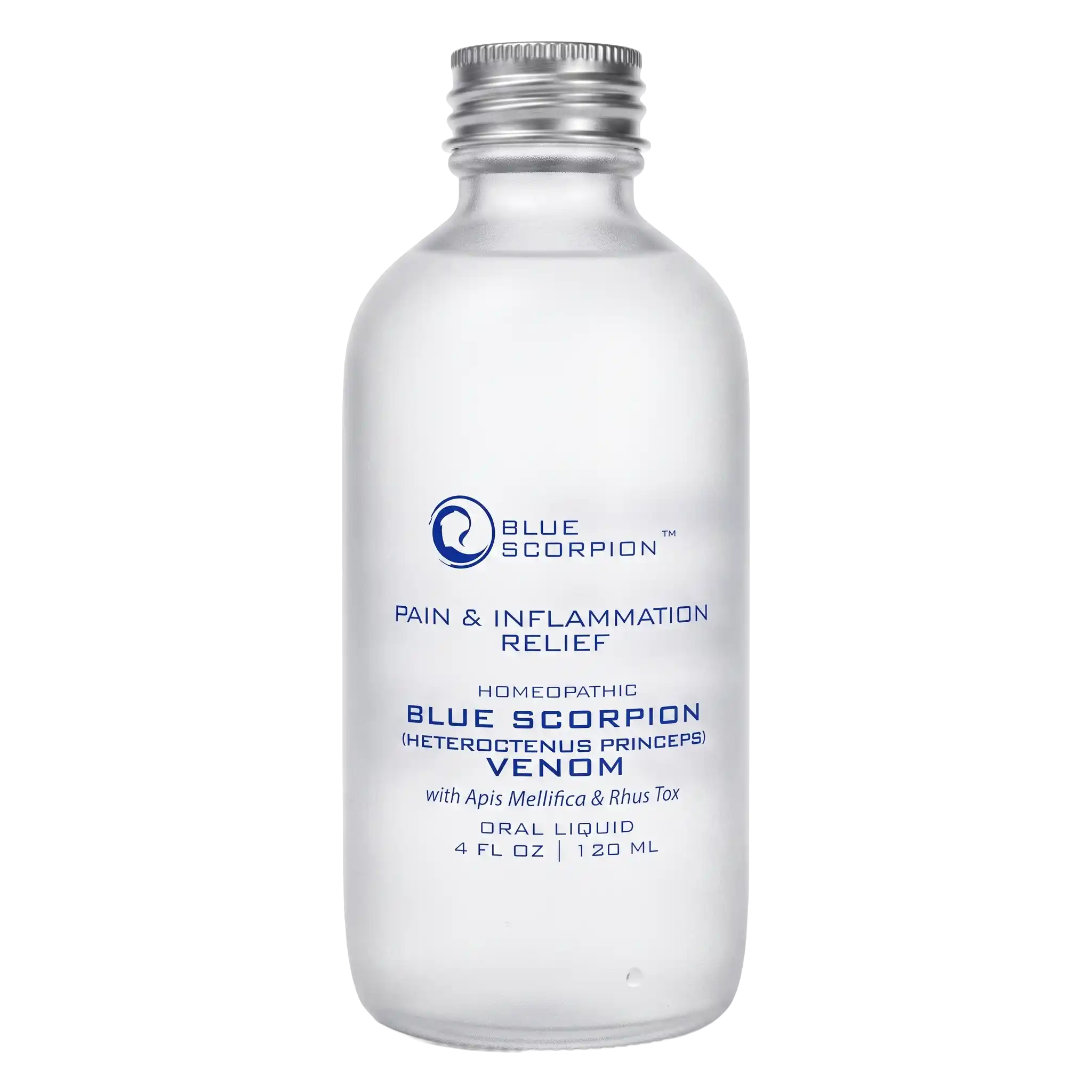
Blue Scorpion offers a natural, non-opioid, alcohol-free option designed to support whole-body relief. Instead of targeting just one type of pain, this approach works across muscles, joints, and nerves to help reduce discomfort without adding synthetic strain.
In this article, you will learn how pain relief without drugs works, which methods are most effective, and how to combine them into a routine that fits your daily life. From movement to recovery habits, you will see how to build a more sustainable approach to comfort.
Acute Pain vs. Chronic Pain
Acute pain usually hits suddenly. Maybe you twisted your ankle or pulled a muscle - there’s a clear cause. As your body heals, that pain fades, often in days or a few weeks.
Chronic pain, though, sticks around for more than three months. Sometimes you can’t even point to an obvious injury. Old injuries, inflammatory conditions, or changes in the nervous system often play a role. You can’t just wait for it to go away; it needs a different plan.
Nociceptive Pain vs. Neuropathic Pain
Nociceptive pain comes from tissue damage - think sore muscles or swollen joints. Rest, movement, and anti-inflammatory support usually help a lot.
Neuropathic pain is trickier. It comes from nerve issues and can feel like burning, tingling, or shooting pains. Standard comfort measures might not touch it, which can be frustrating.
When High-Impact Chronic Pain Changes Daily Life
High-impact chronic pain limits what you can do most days. It messes with your work, sleep, and even your relationships. Over time, it can drag down your mental health, too. If pain keeps you from basic tasks, it’s time to think bigger.
A broader pain management plan, including lifestyle tweaks and non-drug options, could help you reclaim some control.
Why Diabetic Neuropathy Needs a Different Approach
Diabetic neuropathy causes nerve pain because of blood sugar problems. It usually hits your hands and feet, causing numbness, burning, or sharp aches.
Managing blood sugar is key here. Diet, movement, and non-opioid comfort tools can support your nerves. These work best alongside your doctor’s advice and help reduce daily discomfort.
Movement That Eases Pain and Restores Function
Movement stands out as one of the best ways to get pain relief without drugs. When you move the right way, you build strength, cut down stiffness, and help your body manage pain. Physical therapy, occupational therapy, and hands-on techniques each bring something different to the table.
How Physical Therapy Builds Strength and Confidence
Physical therapy gives you a plan to move safely, even when it hurts. Therapists spot weak areas or movement patterns that might be making your pain worse.
Through strength training and guided exercises, you take pressure off sore joints and tissues. Many people say that steady physical therapy helps them feel more confident in their bodies again.
Improving Range of Motion Without Overdoing It
Stiff joints and limited motion are common with pain and inflammation. Gentle stretching and low-impact movement can slowly bring flexibility back.
The trick is to pace yourself. If you push too hard, you might set off a flare-up. Work within what feels comfortable and expand your range slowly. It’s not a race.
When Occupational Therapy Helps Daily Tasks Feel Easier
Occupational therapy makes everyday life more manageable. If pain affects how you grip, lift, or move around your home or job, an occupational therapist can help. They suggest tools and techniques that cut down on strain.
This is especially useful for arthritis or chronic pain that messes with your hands or fine motor skills.
Spinal Manipulation, Myofascial Release, and Dry Needling
Chiropractors or trained therapists use spinal manipulation to improve joint mobility and ease pain in your back.
Myofascial release targets connective tissue with steady pressure to loosen up tension. Dry needling uses thin needles in tight muscle bands to release them. Both can offer real relief for muscle pain, no meds required.
Calming the Nervous System to Turn Down Pain
Chronic pain changes how your nervous system reacts. Techniques that calm your nerves can turn down the volume on pain. Mind-body practices and relaxation methods focus on the link between stress, your brain, and physical discomfort.
Biofeedback and Mind-Body Techniques That Retrain Pain Response
Biofeedback uses sensors to show you things like heart rate or muscle tension in real time.
You learn to control these responses and reduce stress and pain. Mind-body techniques teach your brain to handle pain signals in new ways. With practice, you can lower the intensity of chronic pain - no medication needed.
Relaxation Techniques for Stress-Driven Flare-Ups
Stress often triggers pain flare-ups. When you’re stressed, muscles tense, and inflammation can get worse. Learning to activate your body’s relaxation response is a practical pain management skill.
Deep breathing, body scans, or slow movement help shift your nervous system out of high-alert mode. Even ten minutes a day can make a real difference over time.
Guided Imagery, Progressive Muscle Relaxation, and Music Therapy
Guided imagery uses mental pictures to create calm and reduce pain. It’s popular with people managing chronic pain or recovering from injuries.
Progressive muscle relaxation involves tensing and releasing muscle groups, one by one, to ease tension. Music therapy uses sound to shift your mood and distract from pain. All three are easy, affordable tools you can try at home.
Where Qigong and Acupressure Fit In
Qigong blends slow movement, breathing, and focus to help energy flow and relax the body.
It’s gentle and works for most fitness levels, helping with pain and fatigue. Acupressure uses firm pressure on certain body points to ease discomfort. Many people use it for headaches, joint pain, or sore muscles - no medication needed.
Hands-On and At-Home Relief Options
Technique | Best Used For | Setting |
Massage therapy | Muscle tension, soft tissue | Clinic or home |
Cold therapy | Swelling, acute inflammation | Home |
TENS | Nerve and muscle pain | Home or clinic |
Trigger point injection | Localized muscle knots | Clinic |
These options are easy to use regularly, which matters for pain relief without drugs or surgery.
Massage Therapy and Trigger Point Work for Tight, Tender Areas
Massage therapy helps relax muscles, boost circulation, and lower stress. For chronic pain, regular sessions may mean fewer flare-ups. Trigger point therapy focuses on specific knots in your muscles that cause pain elsewhere.
A skilled therapist can release these with direct pressure, often giving quick, targeted relief.
Cold Therapy and Other Simple Comfort Tools
Cold therapy numbs sharp pain and cuts swelling, making it great right after an injury or during a flare-up. Wrap an ice pack in cloth and use it for fifteen to twenty minutes.
Heat works better for chronic stiffness and tight muscles. Switching between cold and heat, depending on your symptoms, gives you two simple, affordable options - no prescription needed.
Electrical Stimulation and TENS at Home
TENS, or transcutaneous electrical nerve stimulation, uses mild electrical pulses to interrupt pain signals.
You can buy portable TENS units and use them at home for ongoing relief. People often use electrical stimulation for back pain, joint pain, and nerve discomfort. It’s non-invasive and doesn’t involve drugs or chemicals.
When Complementary Therapies Make Sense Together
Combining several therapies can bring more consistent relief than relying on just one. For example, try pairing massage with cold therapy and a homeopathic liquid formula. This kind of routine tackles pain from different angles.
A non-opioid, alcohol-free homeopathic formula that targets nerve pain, joint stiffness, and inflammation* slips easily into this routine. You don’t need a prescription, and it works alongside physical and hands-on care.
*These statements haven’t been evaluated by the Food and Drug Administration. This product isn’t intended to diagnose, treat, cure, or prevent any disease.
Food, Sleep, and Daily Habits That Influence Pain
What you eat, how you sleep, and your daily habits all shape how much pain you feel. Building healthy routines in these areas helps your body manage inflammation and recover between flare-ups.
Using an Anti-Inflammatory Diet to Support Pain Relief
An anti-inflammatory diet focuses on whole foods that fight oxidative stress and inflammation. Some top foods include:
Fatty fish like salmon and sardines
Leafy greens such as spinach and kale
Berries, especially blueberries and strawberries
Nuts and seeds, particularly walnuts and flaxseed
Olive oil for healthy fat
Processed foods, added sugars, and alcohol crank up inflammation. Cutting back on them can lower your baseline pain over time.
Pacing, Recovery, and Better Sleep for Fewer Flares
Pacing means spreading out activity instead of going all in and crashing later. This helps break the cycle of overdoing it and paying for it with more pain.
Sleep is when your body repairs itself. Poor sleep makes you more sensitive to pain and ramps up inflammation. Try a steady sleep schedule, turn off screens before bed, and keep your room cool and dark for better rest.
Tracking Triggers and Building a Sustainable Routine
A simple pain journal helps you spot patterns. Write down your activity, food, sleep, and pain level each day.
After a few weeks, you’ll notice trends. Maybe certain foods, postures, or stress levels make pain worse. With this info, you can build a daily routine that dodges your triggers and supports lasting relief.
Where Nondrug Care Ends and Medical Care Begins
Non-drug pain relief works for a lot, but it has its limits. Knowing when to bring in medical care helps you avoid under-treating serious pain. The best plan is balanced - not just avoiding all medical options.
When NSAIDs or Acetaminophen May Still Be Part of the Plan
NSAIDs like ibuprofen and naproxen cut inflammation and work well for short-term pain. Acetaminophen tackles pain but doesn’t target inflammation. Long-term use of either can bring risks like stomach irritation or liver strain.
Still, they might be right for occasional use or for acute flares when non-drug methods aren’t enough.
How Opioids Compare With Non-Opioid Strategies
Opioids come with big risks - dependency and side effects that mess with daily life. For chronic pain, those risks often outweigh the benefits.
Non-opioid strategies like physical therapy, mind-body techniques, and FDA NDC-listed homeopathic formulas offer real relief without those downsides. A non-opioid, alcohol-free homeopathic formula listed with FDA National Drug Codes is a clean, credible option for people wanting to avoid opioid risks.
Nerve Blocks, Peripheral Nerve Stimulation, and Other Next Steps
If conservative care isn’t enough, your doctor might suggest a nerve block. This means injecting an anesthetic near a nerve to block pain signals. It’s a focused, short-term fix, often used for nerve pain or after surgery.
Peripheral nerve stimulation uses electrodes - either implanted or on the skin - to change nerve activity and cut chronic pain. It’s a bigger step, but for some, it brings long-term relief when other methods haven’t worked.
Topicals, Sodium Channel Blockers, and Other Options for Nerve Pain
Topical treatments, like lidocaine patches or capsaicin creams, target pain right where it hurts. They don’t really affect your whole body, which is a relief for many. If you’ve got nerve pain in a specific spot, these can make a lot of sense.
Doctors often reach for sodium channel blockers in certain prescriptions. These meds calm down those nerves that just won’t stop firing. Usually, you try these when other stuff hasn’t worked, and honestly, you really want a doctor keeping an eye on things.
There’s a whole toolbox out there, from daily homeopathic tricks to more serious medical options. Learning about what’s available helps you figure out a pain management plan that actually fits your life.
Building a Routine for Pain Relief Without Drugs
Pain relief without drugs is most effective when it becomes part of your daily routine rather than a one-time fix. Combining movement, recovery, and supportive therapies helps reduce discomfort and improve how your body handles stress over time.*
Blue Scorpion supports this approach by offering a natural, non-opioid, alcohol-free option that works systemically. When used alongside consistent habits like exercise, sleep, and stress management, it helps support more stable and lasting comfort.*
If you are ready to move beyond temporary fixes, focus on pain relief without drugs that fits your life. Get Relief and start supporting your recovery today.
Frequently Asked Questions
What is pain relief without drugs?
Pain relief without drugs is the use of non-medication methods like movement, therapy, and lifestyle changes to reduce discomfort. It focuses on supporting the body naturally.
How does pain relief without drugs work?
Pain relief without drugs works by improving movement, reducing inflammation, and calming the nervous system. These approaches help the body manage pain more effectively over time.
Can pain relief without drugs help with chronic pain?
Pain relief without drugs can help with chronic pain by addressing the underlying factors that keep pain active, such as stiffness, stress, and poor recovery habits.
How long does pain relief without drugs take to work?
Pain relief without drugs takes time to work because it depends on consistent habits. Some people notice improvements in a few weeks, while others need longer.
Is pain relief without drugs enough on its own?
Pain relief without drugs can be enough for mild to moderate discomfort, but more severe pain may still require medical care alongside these approaches.
Frequently Asked Questions
What is pain relief without drugs?
Pain relief without drugs is the use of non-medication methods like movement, therapy, and lifestyle changes to reduce discomfort. It focuses on supporting the body naturally.
How does pain relief without drugs work?
Pain relief without drugs works by improving movement, reducing inflammation, and calming the nervous system. These approaches help the body manage pain more effectively over time.
Can pain relief without drugs help with chronic pain?
Pain relief without drugs can help with chronic pain by addressing the underlying factors that keep pain active, such as stiffness, stress, and poor recovery habits.
How long does pain relief without drugs take to work?
Pain relief without drugs takes time to work because it depends on consistent habits. Some people notice improvements in a few weeks, while others need longer.
Is pain relief without drugs enough on its own?
Pain relief without drugs can be enough for mild to moderate discomfort, but more severe pain may still require medical care alongside these approaches.