

Natural inflammation relief becomes a priority when your body starts feeling stiff, tired, or slower to recover. You may notice lingering soreness, low energy, or discomfort that does not tie back to a clear injury. These signals often point to ongoing low-grade inflammation rather than a one-time issue.
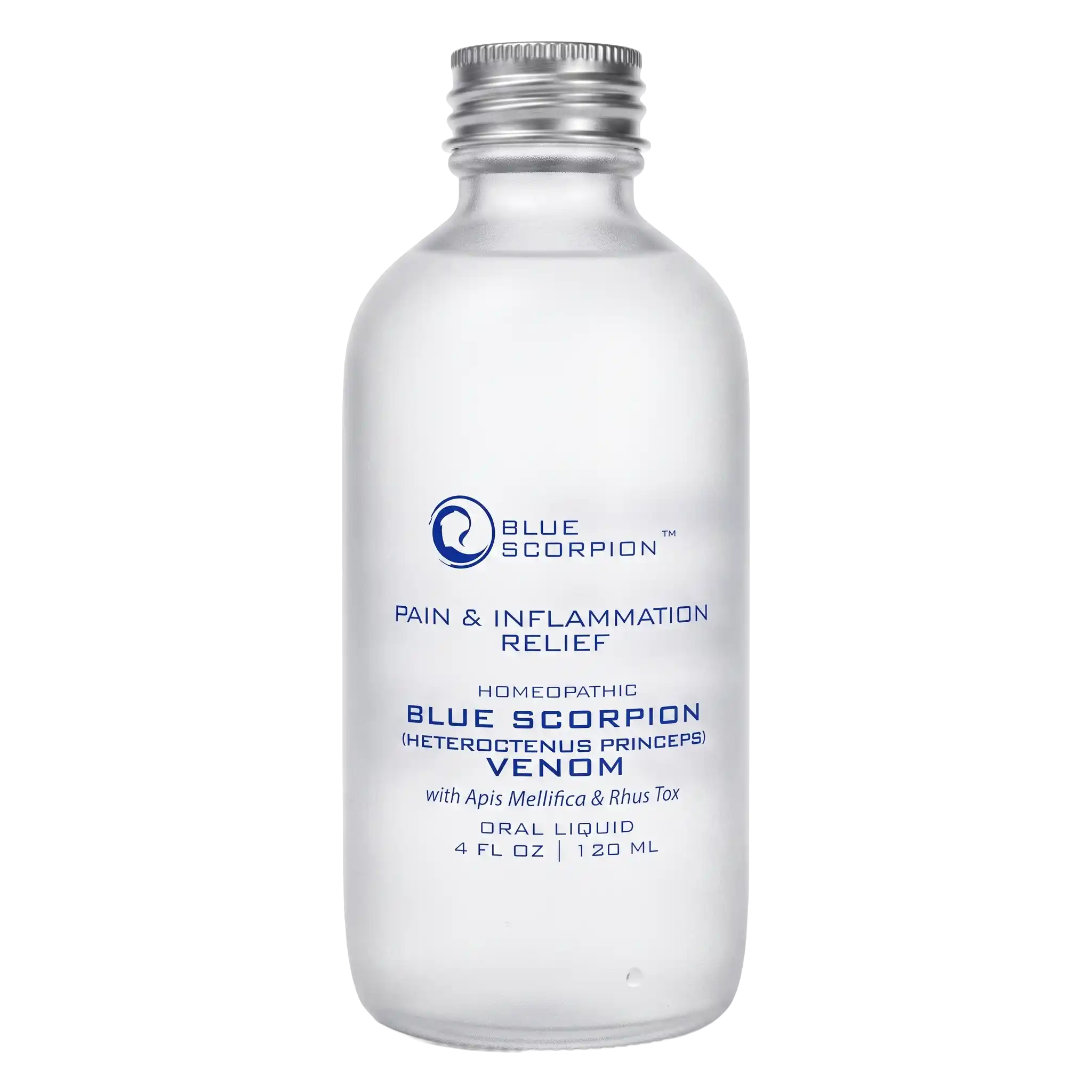
Blue Scorpion offers a natural, non-opioid, alcohol-free option designed to support whole-body relief without adding synthetic strain. When inflammation affects multiple systems at once, a systemic approach can help restore balance more effectively than targeting one symptom at a time.
In this article, you will learn how inflammation works, which foods and habits support recovery, and what strategies help reduce daily discomfort. Understanding natural inflammation relief gives you a practical path toward feeling better consistently.
Acute Inflammation as the Body's Short-Term Repair Mode
Acute inflammation shows up fast. Picture a swollen ankle after a sprain or redness around a cut. Your immune system sends signals, flooding the area with healing compounds. In a few days, things usually calm down.
This short-term response helps clear debris, fights bacteria, and kicks off repair. Your body’s just doing its job.
How Chronic Inflammation Can Quietly Affect Daily Health
Chronic inflammation acts differently. It lingers in the background, even without a clear trigger. You might wake up stiff or feel achy after light activity. Over time, this low-level state can lead to things like rheumatoid arthritis or inflammatory bowel disease.
It can mess with your joints, gut, and comfort in ways that are tough to pinpoint.
Why Inflammatory Markers Matter in Long-Term Risk
Doctors check markers like C-reactive protein to see how active inflammation is. High levels over time link to heart disease and type 2 diabetes.
If you catch elevated markers early, you can tweak your diet, habits, and supplement routine. Keeping an eye on these numbers is a practical step for long-term well-being.
The Everyday Foods Most Likely to Calm the Fire
What you eat every day really affects how much inflammation your body carries. An anti-inflammatory diet isn’t a strict plan. It’s more about choosing foods that support immune health and lower chronic inflammation over time.
Anti-Inflammatory Foods to Build Meals Around
Whole foods form the base of an anti-inflammatory diet. Lean proteins, legumes, whole grains, and healthy fats help your body manage inflammation at the cellular level.
Fatty fish like salmon and sardines (rich in omega-3s)
Extra virgin olive oil
Berries and cherries
Nuts and seeds
Leafy green vegetables
These foods deliver antioxidants and compounds that lower inflammation without side effects.
Why Whole Foods and Healthy Fats Make a Difference
Olive oil has oleocanthal, which supports a natural anti-inflammatory response. Omega-3s from fish and flaxseed help your body make fewer pro-inflammatory compounds. Healthy fats also help you absorb fat-soluble vitamins.
Swapping processed oils and fried foods for whole-food fats is one of the simplest changes you can make.
The Role of Antioxidants in Natural Inflammation Relief
Antioxidants play a key role in natural inflammation relief by helping neutralize free radicals that contribute to oxidative stress. When oxidative stress builds up, it can trigger more inflammation, creating a cycle that affects how your body feels and recovers day to day.
Research from Harvard Health Publishing in “Foods that Fight Inflammation” explains how antioxidant-rich foods help reduce inflammatory markers and support immune balance.
Leafy Greens, Tomatoes, Citrus, and Other Produce Worth Prioritizing
Leafy greens like spinach and kale are loaded with antioxidants and vitamin C. Tomatoes have lycopene, which links to lower inflammatory markers. Oranges and other citrus fruits provide vitamin C, supporting immune function and possibly reducing inflammation.
These foods are easy to add to meals you already eat. A handful of greens, a slice of tomato, or half an orange really adds up over time.
Foods and Drinks That Keep Inflammation Switched On
Not every food works in your favor. Some common modern foods actually promote inflammation, making it harder to find relief and easier to feel drained. Knowing which foods fuel inflammation helps you make smarter choices each day.
How Refined Carbohydrates and Fried Foods Add Up
Refined carbs show up in white bread, pastries, and sugary cereals. They spike your blood sugar fast, which triggers inflammation. Over time, those spikes keep inflammatory markers up.
Fried foods are another big culprit. Deep frying uses oils high in omega-6 fats. If your diet has way more omega-6 than omega-3, the balance shifts toward inflammation.
Common Inflammatory Foods in a Modern Diet
Food Category | Common Examples |
Refined carbohydrates | White bread, pastries, sugary cereals |
Fried foods | French fries, fried chicken, donuts |
Processed meats | Hot dogs, sausage, deli meats |
Sugary beverages | Soda, energy drinks, and sweetened coffee |
Excess red wine and alcohol | More than one drink per day |
You don’t have to ban these foods. The problem is eating them too often or in large amounts.
Smarter Swaps That Help Reduce Inflammation Naturally
You don’t need a total diet overhaul. Small, steady swaps help lower inflammation without making meals feel restrictive. Try whole-grain bread instead of white. Choose baked or roasted instead of fried.
Swap sugary drinks for water or herbal tea. These changes are easy to stick with because they fit real life.
Herbs, Spices, and Teas With Real Anti-Inflammatory Potential
Some of the best anti-inflammatory tools are already in your kitchen. Herbs and spices have active compounds studied for their ability to support your body’s inflammation response - no synthetic ingredients needed.
Green teas and herbal teas add more antioxidant support, working alongside food-based strategies.
Turmeric and Curcumin for Broad Inflammation Support
Turmeric contains curcumin, a widely studied natural anti-inflammatory. Curcumin blocks certain signals that trigger inflammation. One tip: curcumin doesn’t absorb well alone. Adding black pepper helps a lot. Curcumin supplements exist for higher doses, though food sources are a great start.
Ginger, Garlic, and Chili Pepper in Everyday Use
Ginger has gingerol, which supports a healthy inflammatory response and may ease muscle soreness. You can toss fresh ginger into smoothies, soups, or tea daily.
Garlic has been studied for its effect on inflammation. Capsaicin in chili peppers is linked to less pain and lower localized inflammation. These three are easy to use in daily cooking.
Green Tea and Herbal Teas for Antioxidant Support
Green tea is packed with EGCG, a strong antioxidant studied for reducing oxidative damage and supporting immune health. One or two cups a day is a realistic goal.
Herbal teas made with chamomile, rosemary, sage, or coriander add even more antioxidants. They’re alcohol-free, simple to make, and fit into a daily routine without fuss.
Gut-First Strategies for Whole-Body Relief
Your gut plays a bigger role in inflammation than most people expect. The gut microbiome affects immune function, inflammatory signals, and even how your body handles pain. Supporting gut health works across multiple systems for natural inflammation relief.
How Gut Health Shapes Inflammation Beyond Digestion
The gut lining acts as a barrier between your digestive tract and bloodstream. If that barrier gets compromised - sometimes called leaky gut - particles can slip through and trigger immune responses throughout your body.
This reaction can ramp up inflammation far beyond digestion. Conditions like inflammatory bowel disease tie directly to gut-driven inflammation, but even a minor imbalance can affect your joints and energy.
Fermented Foods and Probiotics for a Stronger Gut Microbiome
Fermented foods add good bacteria to your gut. A strong, diverse microbiome links to lower inflammation and a balanced immune system.
Try adding these regularly:
Yogurt with live cultures
Kefir
Sauerkraut
Kimchi
Miso
If you don’t eat fermented foods often, probiotic supplements are another option. Look for ones with multiple strains and a high colony-forming unit count.
When Leaky Gut, IBD, and Stomach Ulcers Need Extra Attention
If you have ongoing digestive issues, bloating, or pain after meals, talk to a clinician. Conditions like IBD or ulcers involve chronic gut inflammation that diet changes alone can’t fix. Whole foods, less sugar, and steady probiotic support still help. They work best alongside medical advice, not instead of it.
Lifestyle Habits That Lower Inflammation Behind the Scenes
Diet and supplements matter, but your habits shape inflammation too. Sleep, stress, and physical activity all affect how your immune system acts. These lifestyle pieces often get missed by people who eat well but still deal with discomfort.
Exercise, Recovery, and Better Circulation
Regular moderate exercise lowers inflammation over time. It boosts circulation, supports immune health, and reduces oxidative stress. The key is moderation - overtraining without rest can actually raise inflammation.
Mix cardio and strength training, and don’t skip rest days. Recovery is just as important as the workout itself.
Stress Management for a Less Reactive System
Chronic stress keeps your body on low-grade alert. Cortisol, the stress hormone, helps regulate inflammation. If cortisol stays high for too long, your body loses control over its inflammation response.
Practices like deep breathing, meditation, or light movement can lower baseline stress. Even ten minutes of focused breathing a day adds up over time.
Sleep Hygiene and Other Habits That Support Lasting Change
Poor sleep is a sneaky driver of chronic inflammation. While you sleep, your body clears waste, repairs tissue, and resets immune signals. If you cut sleep short, inflammatory markers rise the next day.
Good sleep hygiene - consistent bedtime, fewer screens before bed, and a cool room - supports the deep sleep your body needs to lower inflammation over time.
Supplements That May Help When Food Alone Is Not Enough
Even a balanced diet can leave gaps. Some nutrients are tough to get enough of from food, especially if you’re managing inflammation or recovering from injury. Targeted supplements can fill those gaps safely and practically.
Fish Oil, EPA, and DHA for Added Omega-3 Support
Fish oil is one of the most studied anti-inflammatory supplements. It supplies EPA and DHA, the omega-3s your body uses to reduce inflammation signals.
Most adults don’t eat enough fatty fish to reach healthy omega-3 levels from food alone. A quality fish oil supplement, taken daily, can make a real difference in how your body manages inflammation.
Vitamin D and Other Dietary Supplements to Discuss With a Clinician
Vitamin D deficiency is common and linked to higher inflammation. Many adults in the U.S. fall short, especially in winter or with little sun exposure.
Other supplements to consider with a clinician: GLA (in evening primrose oil), concentrated curcumin, and green tea extract for antioxidant support in a more potent form than brewed tea.
How to Think About Quality, Absorption, and Safety
Not every supplement works the same way. Your body absorbs them differently, depending on the ingredient's form, its partners, and how it's made.
When you pick herbal supplements or natural anti-inflammatory choices, check for third-party testing. Read the ingredient list - make sure it's clear and honest. If you see an FDA NDC listing, that's a good sign too.
Some homeopathic blends use rare, science-backed ingredients like Heteroctenus Princeps, Apis Mellifica, and Rhus Toxicodendron. These can offer multi-symptom, whole-body support for inflammation, working alongside your diet and lifestyle changes.
*These statements haven't been evaluated by the Food and Drug Administration. This product doesn't diagnose, treat, cure, or prevent any disease.
Supporting Natural Inflammation Relief Every Day
Natural inflammation relief comes down to consistent daily choices that support your body’s balance. From anti-inflammatory foods to better sleep and stress control, each step helps reduce the internal load that drives discomfort and fatigue. When these habits work together, your body can recover more efficiently and feel more stable day to day.*
Blue Scorpion supports this process by offering a natural option that works systemically across the body. Combined with nutrition, movement, and recovery habits, it helps support a more balanced inflammatory response without relying on synthetic ingredients.*
If you are ready to take control of your symptoms, focus on natural inflammation relief strategies that fit your real life. Get Relief and start supporting your recovery today.
Frequently Asked Questions
What is natural inflammation relief?
Natural inflammation relief is the process of reducing inflammation using diet, lifestyle habits, and natural or homeopathic support. It focuses on helping the body regulate its own immune response.
How does natural inflammation relief work in the body?
Natural inflammation relief works in the body by lowering inflammatory signals and supporting immune balance. This can be done through foods, exercise, stress management, and targeted supplements.
Can natural inflammation relief help with daily discomfort?
Natural inflammation relief can help with daily discomfort by reducing the underlying inflammation that contributes to stiffness, soreness, and fatigue.
How long does natural inflammation relief take to work?
Natural inflammation relief takes time to work because it depends on consistent habits. Some people notice changes within a few weeks, while others may need longer, depending on their starting point.
Is natural inflammation relief enough on its own?
Natural inflammation relief can be enough on its own for mild symptoms, but it often works best when combined with multiple strategies like diet, movement, and recovery habits.