

Menopause joint pain supplement choices can feel overwhelming when your body suddenly feels stiff, sore, and unpredictable. You may notice aching joints, reduced mobility, or discomfort that shifts from one area to another.
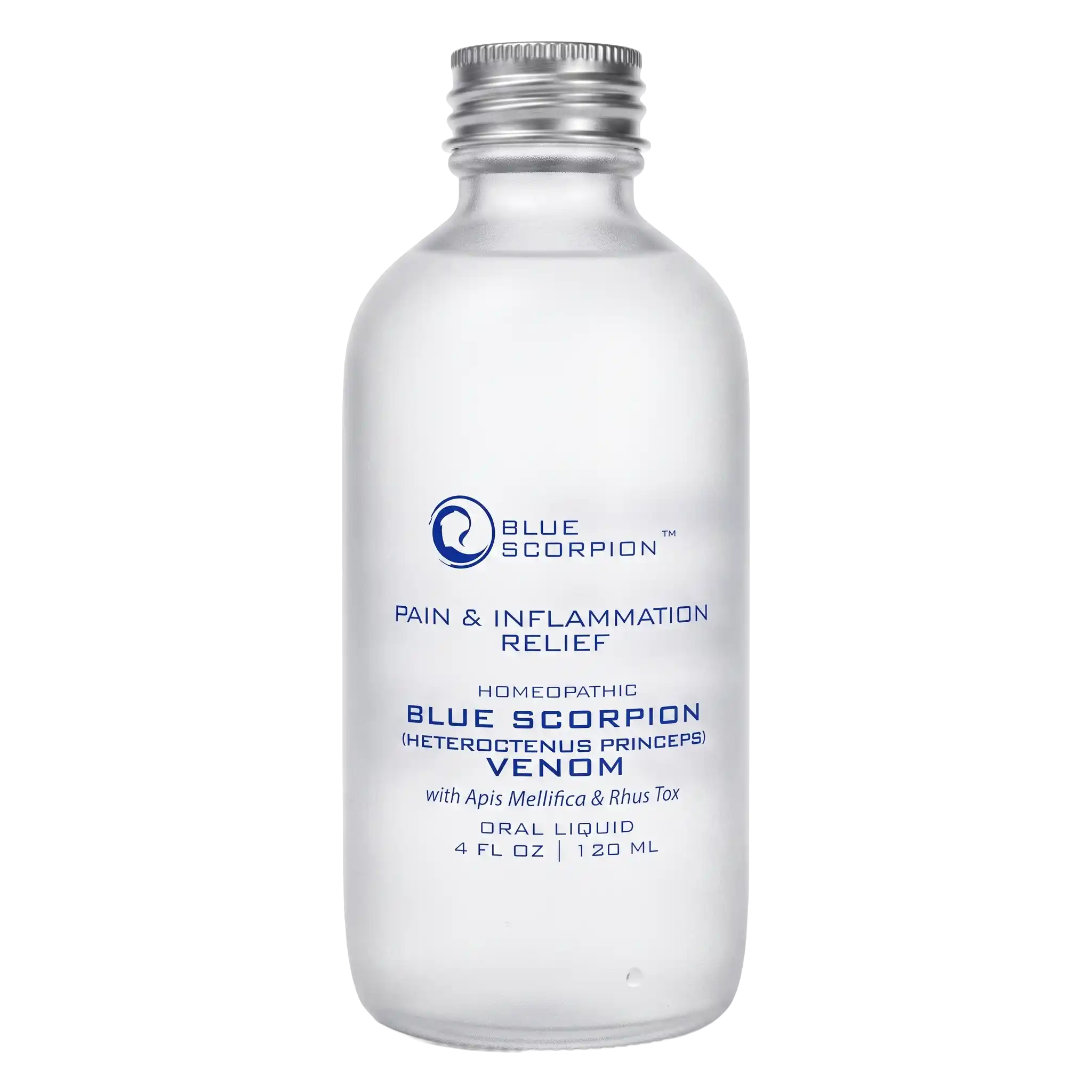
Blue Scorpion offers a natural, non-opioid, alcohol-free option designed to support systemic relief during this phase. This approach targets the whole body to calm inflammation and support recovery without synthetic strain.
In this article, you will learn which supplements are most effective, how to match them to your symptoms, and what daily habits improve results. Understanding how menopause joint pain supplement options work will help you make clearer, more confident decisions.
Why Falling Estrogen Can Make Joints Feel Stiff And Sore
Estrogen keeps inflammation under control. When estrogen drops during menopause, your body loses part of its natural defense. Joints can suddenly feel stiff, swollen, or sore - even if you haven’t injured them.
Estrogen also helps lubricate joints and shields cartilage. With lower levels, you get less cushioning. That’s why new aches pop up in knees, hips, and hands around this time.
How Menopausal Joint Pain Differs From Everyday Aches
Menopausal joint pain often comes on fast and hits several spots at once. Mornings can feel rough, and the pain may shift from joint to joint. This isn’t like the soreness you get after a workout or standing all day.
Usually, systemic inflammation - not a specific injury - drives the pain. Those changes are what remedies actually help.
When Joint Symptoms May Point To Something Beyond Hormonal Change
Not every joint pain during menopause comes from hormones alone. Conditions like rheumatoid arthritis, osteoarthritis, or thyroid problems can show up or get worse in midlife. If pain is severe, brings a lot of swelling, or doesn’t ease with simple steps, it’s smart to see a clinician.
Keep track of your symptoms, when they started, and where you feel them. That info helps doctors figure out what’s really going on.
Supplements With The Strongest Case For Relief
The best menopause joint pain supplements target inflammation, cartilage health, and bone strength together. Certain nutrients have pretty solid research backing their use for joint pain during menopause.
Vitamin D For Deficiency, Bone Strength, And Joint Support
Many adults in the U.S. don’t get enough vitamin D, and menopause tends to make that worse. Low vitamin D links to more joint pain, weaker muscles, and faster bone loss. Testing your levels before you start supplementing is a smart move.
Most adults do well with 1,000 to 2,000 IU daily, but your doctor might suggest more if your blood levels are really low. Vitamin D helps your body absorb calcium and keeps bones dense, which protects joints in the long run.
Omega-3 Fatty Acids And Fish Oil For Inflammation Control
Omega-3s from fish oil are among the most researched for cutting inflammation. They dial down the inflammatory compounds that make joints swell and stiffen. For menopausal joint pain, try 1,000 to 3,000 mg of EPA and DHA daily. Pick a fish oil tested for purity to avoid things like mercury.
Curcumin And Turmeric For Stiffness And Swelling
Curcumin, found in turmeric, has been studied for its anti-inflammatory powers. Research shows it can help with joint stiffness and swelling, especially for ongoing discomfort. Your body doesn’t absorb curcumin very well on its own.
Look for supplements with piperine (black pepper extract) or a fat-based delivery to boost absorption.
Glucosamine And Chondroitin For Cartilage Support
Glucosamine and chondroitin are compounds in cartilage. Taking them may slow cartilage breakdown and help lubricate joints, which matters more as estrogen drops. The research is mixed, but many with knee or hip pain notice improvement after a few weeks.
These supplements are usually safe for long-term use, and most people tolerate them well.
Hydrolyzed Collagen For Mobility And Connective Tissue
Collagen forms a big part of your joint cartilage and connective tissue. Hydrolyzed collagen (also called collagen peptides) breaks down into smaller bits that your body can absorb more easily.
Studies say 10 grams a day may support joint movement and cut down on stiffness. It’s a nice add-on if stiffness, not sharp pain, is your main issue.
Helpful Add-Ons That May Fill Common Gaps
Besides the basics, some targeted nutrients can tackle symptoms that often tag along with menopausal joint pain. Magnesium and vitamin K deserve a look when you build your supplement routine.
Magnesium Glycinate For Muscle Tension, Sleep, And Recovery
Magnesium helps with over 300 body processes, including muscle relaxation and pain signals. Many people don’t get enough, and that shortfall grows with age. Magnesium glycinate absorbs well and is gentle on your stomach.
It can ease muscle tension that adds to joint pain and also supports better sleep - something many women struggle with during menopause. Try 200 to 400 mg at night. Start low to see how your body reacts before going higher.
Vitamin K For Bone Support Alongside Vitamin D
Vitamin K2 teams up with vitamin D to move calcium into bones instead of soft tissue. This combo boosts bone health and lowers the risk of artery calcification, which can happen if you take high-dose vitamin D without K2.
If you’re already taking vitamin D, adding 90 to 180 mcg of K2 makes sense. It’s an easy way to round out your bone and joint support.
How To Think About Combining Nutrients Without Overdoing It
More supplements don’t always mean better results. Some nutrients compete for absorption, and too many at once can upset your stomach or interact with meds. Start with one or two basics, give them four to eight weeks, then see how you feel before adding more.
Jotting down what you take and how you feel helps you spot what’s actually working.
Why Absorption And Bioavailability Matter In Supplements
Not all supplements deliver the same results, even when they contain the same ingredients. Absorption, also known as bioavailability, determines how much of a nutrient your body can actually use.
Poor absorption can limit the effectiveness of a menopause joint pain supplement, especially for compounds like curcumin and magnesium.
Research from the National Institutes of Health in “Dietary Supplements: What You Need to Know” explains that formulation, nutrient form, and delivery method all impact how well supplements are absorbed and utilized by the body.
How To Choose A Formula That Fits Your Symptoms
The best menopause joint pain supplement depends on your symptoms, not just the label. Stiff hands aren’t the same as achy hips, and what helps one area may not be the top priority for another.
Best Fits For Stiff Hands, Knees, Hips, And Morning Aches
Symptom | Supplement To Prioritize |
Morning stiffness in the hands | Omega-3 fatty acids, curcumin |
Knee or hip discomfort | Glucosamine and chondroitin, collagen |
General joint aching | Vitamin D, omega-3 fatty acids |
Muscle tension with pain | Magnesium glycinate |
Bone loss concern | Vitamin D with K2 |
When symptoms feel widespread instead of local, a homeopathic liquid formula might be worth a shot. Homeopathic blends for systemic inflammation work differently from single-nutrient supplements and could offer faster relief across several symptoms at once.*
*These statements haven’t been evaluated by the Food and Drug Administration. This product isn’t meant to diagnose, treat, cure, or prevent any disease.
What To Check On Labels Before You Buy
Find third-party testing seals like USP, NSF, or Informed Sport
Check the ingredient form (for example, magnesium glycinate vs. magnesium oxide)
Make sure the dose matches what research supports
Skip products with unnecessary fillers, dyes, or allergens that bother you
For fish oil, confirm the EPA and DHA content, not just total fish oil
Labels can be sneaky, sometimes listing an ingredient without the amount. A good supplement shows the exact milligrams for each active part.
How Long Supplements Usually Take To Notice
Most joint supplements aren’t quick fixes like pain meds. Glucosamine, chondroitin, and collagen often need six to twelve weeks of steady use before you notice changes.
Omega-3s and curcumin might ease inflammation faster, sometimes in two to four weeks. Homeopathic liquid blends aimed at quick relief tend to work faster than structural supplements like glucosamine.
Daily Habits That Make Supplements Work Better
Supplements work best when they support an active lifestyle, not replace it. What you do each day - how you move, eat, sleep, and handle stress - shapes your joint pain during menopause.
Low-Impact Exercise That Keeps Joints Moving
Rest seems logical with joint pain, but too much rest can make stiffness worse. Low-impact exercise keeps fluid moving through your joints and maintains muscle support, which takes pressure off cartilage.
Try activities like:
Swimming or water aerobics
Walking at a steady pace
Cycling - indoor or outdoor
Yoga or gentle stretches
Resistance training with lighter weights
Shoot for at least 150 minutes of moderate activity each week. Even short daily sessions help more than one big workout followed by days off.
An Anti-Inflammatory Diet That Supports Recovery
Your food choices can crank up or cool down inflammation. An anti-inflammatory diet rich in omega-3s, veggies, fruit, and whole grains gives your body what it needs to manage inflammation well.
Focus on fatty fish like salmon and sardines, leafy greens, berries, olive oil, and walnuts. Foods that raise inflammation include refined sugar, processed snacks, trans fats, and too much alcohol.
You don’t need a perfect diet. Small, steady changes often lead to real improvements in joint comfort over time.
Sleep, Stress, And Body Weight In The Joint Pain Picture
Poor sleep boosts inflammation in your body, which can make joint pain worse the next day. Aim for seven to nine hours of sleep and try stress-busting habits like breathing exercises or a walk. They help lower inflammation, too.
Body weight matters. Every extra pound adds about four pounds of pressure on your knees. Even a little weight loss can ease joint stress and pain for women dealing with menopausal joint pain.
Safety Notes Before Starting Anything New
Supplements aren’t always risky, but some combos and health conditions need extra attention. A few simple steps can keep you safe from side effects or bad interactions.
When To Test Nutrient Levels Before Supplementing
Vitamin D is one nutrient where testing first really pays off. Taking big doses without knowing your baseline can push your levels too high, which brings its own risks. Magnesium and vitamin K don’t usually need testing, but if you have kidney disease or clotting issues, talk to your doctor before starting.
Blood tests also show if supplements are actually helping your numbers move in the right direction.
Medication Interactions And Who Should Be Cautious
Supplement | Possible Interaction |
Fish oil | Blood thinners like warfarin |
Curcumin | Blood thinners, some chemotherapy drugs |
Magnesium glycinate | Certain antibiotics and diuretics |
Glucosamine and chondroitin | Warfarin (may increase effect) |
Vitamin K | Warfarin (can reduce its effectiveness) |
If you take prescription meds, ask a pharmacist to review your supplement list. It only takes a few minutes and could prevent a serious problem.
Signs It Is Time To Talk With A Clinician
Most joint discomfort during menopause gets better with lifestyle changes and the right supplements. Still, sometimes you need a closer look.
Watch out for these:
Your joint suddenly swells up, feels warm, or looks red
Pain that makes daily tasks tough or nearly impossible
Your symptoms get worse, even though you stick with supplements
Joint pain comes with fatigue, rash, or even a fever
A clinician can check for things like rheumatoid arthritis or thyroid issues. They’ll help you find a plan that targets what's really causing your pain, not just the surface stuff.
Choosing The Right Menopause Joint Pain Supplement
Finding the right menopause joint pain supplement starts with understanding how inflammation, hormones, and joint health connect. When you target inflammation, support cartilage, and strengthen bones together, you create a more complete path to relief and better daily movement.*
Blue Scorpion supports this full-body approach by working systemically rather than focusing on a single joint or symptom. This aligns with a lifestyle that includes movement, balanced nutrition, and consistent recovery habits, helping you feel more stable and supported over time.*
If you are ready to improve comfort and mobility, choose a menopause joint pain supplement strategy that works with your body, not against it. Get Relief and start supporting your recovery today.
Frequently Asked Questions
What is the best menopause joint pain supplement to start with?
The best menopause joint pain supplement to start with depends on your main symptoms. Many people begin with vitamin D or omega-3 fatty acids because they support inflammation balance and overall joint health.
How long does a menopause joint pain supplement take to work?
A menopause joint pain supplement usually takes a few weeks to show results. Some, like omega-3s, may work within two to four weeks, while others like collagen or glucosamine may take up to twelve weeks.
Can a menopause joint pain supplement reduce inflammation?
A menopause joint pain supplement can help reduce inflammation by supporting the body’s natural response. Ingredients like curcumin and omega-3 fatty acids are commonly used for this purpose.
Do I need more than one menopause joint pain supplement?
You may need more than one menopause joint pain supplement depending on your symptoms. Combining nutrients that support inflammation, bone health, and joint structure can provide more balanced support.
Is a menopause joint pain supplement enough on its own?
A menopause joint pain supplement works best when combined with lifestyle habits. Exercise, sleep, and an anti-inflammatory diet all play an important role in improving joint comfort.