

Inflammation and menopause often show up as unexplained aches, fatigue, and sudden shifts in how your body feels. You may notice stiffness in the morning, trouble sleeping, or symptoms that seem to come and go without warning. These changes are not random. They are closely tied to how inflammation behaves as hormone levels decline.
Blue Scorpion offers a natural, non-opioid, alcohol-free approach designed to support whole-body relief during this transition. As your immune response becomes more reactive, systemic support can help calm internal stress without adding synthetic burden. This matters when symptoms affect multiple areas at once.
In this article, you will learn how hormone shifts influence inflammation, why symptoms feel unpredictable, and what daily strategies can support recovery. From immune signaling to lifestyle habits, we will break down what is happening inside your body and how to respond in a balanced way.
How Estrogen Decline Changes Immune Signaling
Estrogen does more than regulate your reproductive cycle. It also plays a key role in keeping your immune system balanced. When estrogen levels fall during menopause, your body tends to produce more pro-inflammatory cytokines, the chemical messengers that trigger inflammation.
One of these is TNF, or tumor necrosis factor, which signals the body to increase inflammatory activity. When estrogen no longer keeps this signal in check, the result is a system that stays in a heightened state of alert. That low-grade inflammation can affect muscles, joints, nerves, and even your mood.
The Link Between Inflammation and Menopause Symptoms
Inflammation and menopause are closely connected through immune system signaling. As estrogen declines, the body increases production of pro-inflammatory cytokines, which can intensify symptoms like joint discomfort, fatigue, and temperature sensitivity.
This helps explain why symptoms often feel widespread rather than isolated. According to the Cleveland Clinic, hormonal decline directly influences inflammatory pathways and symptom intensity.
Where Progesterone and Estradiol Fit In
Estradiol is the most active form of estrogen in your body. It has anti-inflammatory properties that help protect tissues from excess immune activity. As estradiol declines, that protection weakens.
Progesterone also plays a supporting role. It helps regulate cortisol and modulate the immune response. When both hormones drop during perimenopause and beyond, your body loses two natural buffers against chronic inflammation.
Why Perimenopause and Postmenopause Can Feel Different
Perimenopause is the transition phase before your final period. Hormone levels fluctuate unpredictably during this time, which can cause inflammation to spike and ease in irregular patterns. You may notice symptoms that come and go without a clear cause.
Postmenopause brings more stable but consistently lower hormone levels. Inflammation during menopause tends to become steadier at this stage, which is why many women describe a gradual worsening of joint pain, fatigue, and stiffness over time rather than sudden flares.
When Normal Repair Becomes a Constant Background Fire
Your body uses inflammation as a short-term repair tool. The problem during menopause is that this response can stop switching off when it should. What begins as a normal immune process shifts into something more persistent, affecting how your whole body feels day to day.
Acute Inflammation Versus Chronic Inflammation
Acute inflammation is a healthy response. When you cut your finger or strain a muscle, your immune system sends blood flow and repair cells to the area. The redness, swelling, and heat you feel are signs that your body is working correctly.
Chronic inflammation is different. It is slower, quieter, and often invisible. There is no obvious wound.
Your immune system stays partially activated without a clear reason, producing pro-inflammatory cytokines on a steady basis. This ongoing low-level fire is what drives many of the symptoms tied to menopause and inflammation.
How Inflammatory Markers Like CRP and C-Reactive Protein Show Up
C-reactive protein, or CRP, is one of the most commonly measured inflammatory markers. Your liver produces CRP in response to inflammation, and elevated levels in the blood suggest the immune system is chronically active.
During and after menopause, CRP levels often rise. This can be detected through routine blood work, and some healthcare providers track it as part of ongoing care. Higher CRP does not always mean you feel sick, but it does indicate that your body is under a type of sustained internal stress.
Why Oxidative Stress Keeps the Cycle Going
Oxidative stress occurs when there are more harmful free radicals in your body than antioxidants to neutralize them. It is closely tied to chronic inflammation and tends to increase with age and hormone decline.
Free radicals damage cells and tissues, which triggers more immune activity. That immune activity creates more oxidative stress. The two processes feed each other. This is one reason why managing inflammation during menopause requires more than treating individual symptoms.
The Symptoms That Often Point Back to Inflammation
Many of the most frustrating menopausal symptoms have a direct link to systemic inflammation. If you have been dealing with body aches, brain fog, or disrupted sleep, the root cause may be less about hormones in isolation and more about how those hormone changes are affecting your immune response.
Hot Flashes, Night Sweats, and Temperature Swings
Hot flashes and night sweats are among the most recognized menopausal symptoms. Research suggests that pro-inflammatory cytokines may influence the part of the brain that controls body temperature, making the system more reactive to small changes.
Symptom | Possible Inflammatory Connection |
Hot flashes | Cytokine activity affecting the hypothalamus |
Night sweats | Immune signaling disrupting sleep thermoregulation |
Temperature swings | Loss of estrogen's stabilizing effect on inflammation |
Joint Pain, Fatigue, and Body Aches
Joint pain is one of the most common complaints during menopause, and inflammation is a central driver. Without estrogen's anti-inflammatory protection, your joints can become more sensitive and prone to stiffness, especially in the morning or after rest.
Fatigue often accompanies this pattern. When your body is constantly managing low-grade inflammation, it draws on your energy reserves. Many women describe feeling worn out even after a full night of sleep.
Body aches that seem to move around or have no clear source are also tied to this systemic inflammatory load.*
Anxiety, Depression, Brain Fog, and Sleep Disruption
Inflammation affects brain health in measurable ways. Pro-inflammatory cytokines can cross the blood-brain barrier and interfere with neurotransmitter production, including serotonin and dopamine.
This may contribute to mood changes, anxiety, and depression during the menopausal transition. Brain fog, or difficulty concentrating and recalling words, is another symptom that many women find deeply disruptive.
Sleep disruption compounds all of these issues. Poor sleep raises inflammatory markers, which then makes it harder to sleep, creating a cycle that requires attention at the root level.
*These statements have not been evaluated by the Food and Drug Administration.
Why Weight, Metabolism, and Long-Term Risk Start to Change
Hormone balance does more than regulate your cycle. It also influences how your body processes food, stores fat, and protects your bones and heart. When estrogen declines and chronic inflammation increases, the effects extend well beyond how you feel on a daily basis.
Insulin Resistance and Shifts in Weight Distribution
Estrogen helps your cells respond to insulin effectively. As estrogen declines, insulin resistance can develop, meaning your cells become less efficient at using glucose for energy. This often leads to increased fat storage, particularly around the abdomen.
Chronic inflammation makes this pattern worse. Inflammatory markers interfere with the signaling pathways that regulate blood sugar.
The result is a cycle where weight gain and inflammation feed each other, making it harder to maintain a healthy metabolism without deliberate intervention.
Heart Health, Cardiovascular Disease, and Bone Loss
Estrogen offers meaningful protection to the cardiovascular system. It helps keep blood vessels flexible and supports healthy cholesterol levels. As estrogen levels fall, the risk for cardiovascular disease increases, and chronic inflammation accelerates that process.
Bone loss is another concern. Estrogen slows the activity of cells that break down bone tissue. Without it, bone density can decrease more rapidly, raising the risk of osteoporosis. Inflammation contributes to bone loss as well, since certain cytokines directly stimulate bone breakdown.
How Ongoing Inflammation May Relate to Autoimmune Diseases and Cancer
Chronic, unresolved inflammation creates conditions where the immune system is more likely to make errors. Some research suggests this may increase susceptibility to autoimmune diseases, where the immune system begins attacking the body's own tissues.
Long-term inflammation is also considered a contributing factor in the environment that allows certain cancers to develop. This does not mean menopause directly causes these conditions. It does mean that managing inflammation during menopause is a meaningful part of long-term health strategy.
Eating to Calm the Inflammatory Load
What you eat has a direct effect on the level of inflammation in your body. An anti-inflammatory diet does not require perfection, but consistent daily choices can meaningfully reduce the burden on your immune system.
What an Anti-Inflammatory Diet Looks Like Day to Day
An anti-inflammatory diet focuses on whole foods that are rich in antioxidants, healthy fats, and fiber. It limits processed foods, refined carbohydrates, and added sugars that promote inflammatory activity in the body.
Meals built around vegetables, legumes, fatty fish, and whole grains give your body the raw materials it needs to regulate inflammation. Eating this way consistently is more effective than any single superfood or supplement taken in isolation.
Foods to Eat More Often
These foods are well-supported for their anti-inflammatory properties:
Fatty fish such as salmon, mackerel, and sardines, which are rich in omega-3 fatty acids
Leafy greens such as spinach and kale, which provide antioxidants and magnesium
Berries such as blueberries and strawberries, which contain compounds that reduce oxidative stress
Walnuts and flaxseeds, which offer plant-based omega-3 fatty acids, including ALA
Whole grains, which provide fiber that supports gut health and lowers CRP
Turmeric, which contains curcumin, has been shown to reduce pro-inflammatory cytokines
Cruciferous vegetables, which contain sulforaphane, a compound with anti-inflammatory activity
Foods and Drinks That Can Push Inflammation Higher
Some foods consistently raise inflammatory markers and are worth limiting:
Processed meats and packaged snacks are high in sodium and additives
Refined carbohydrates such as white bread, pastries, and sugary cereals
Foods with added sugars, including soft drinks and flavored yogurts
Alcohol, which raises CRP and disrupts gut microbiome balance
Trans fats found in some fried and commercially baked goods
A Systemic Approach to Homeopathic Support
Managing the multi-symptom nature of menopause requires a solution that works across the entire body. While lifestyle changes are foundational, certain homeopathic options provide targeted relief for systemic inflammation.*
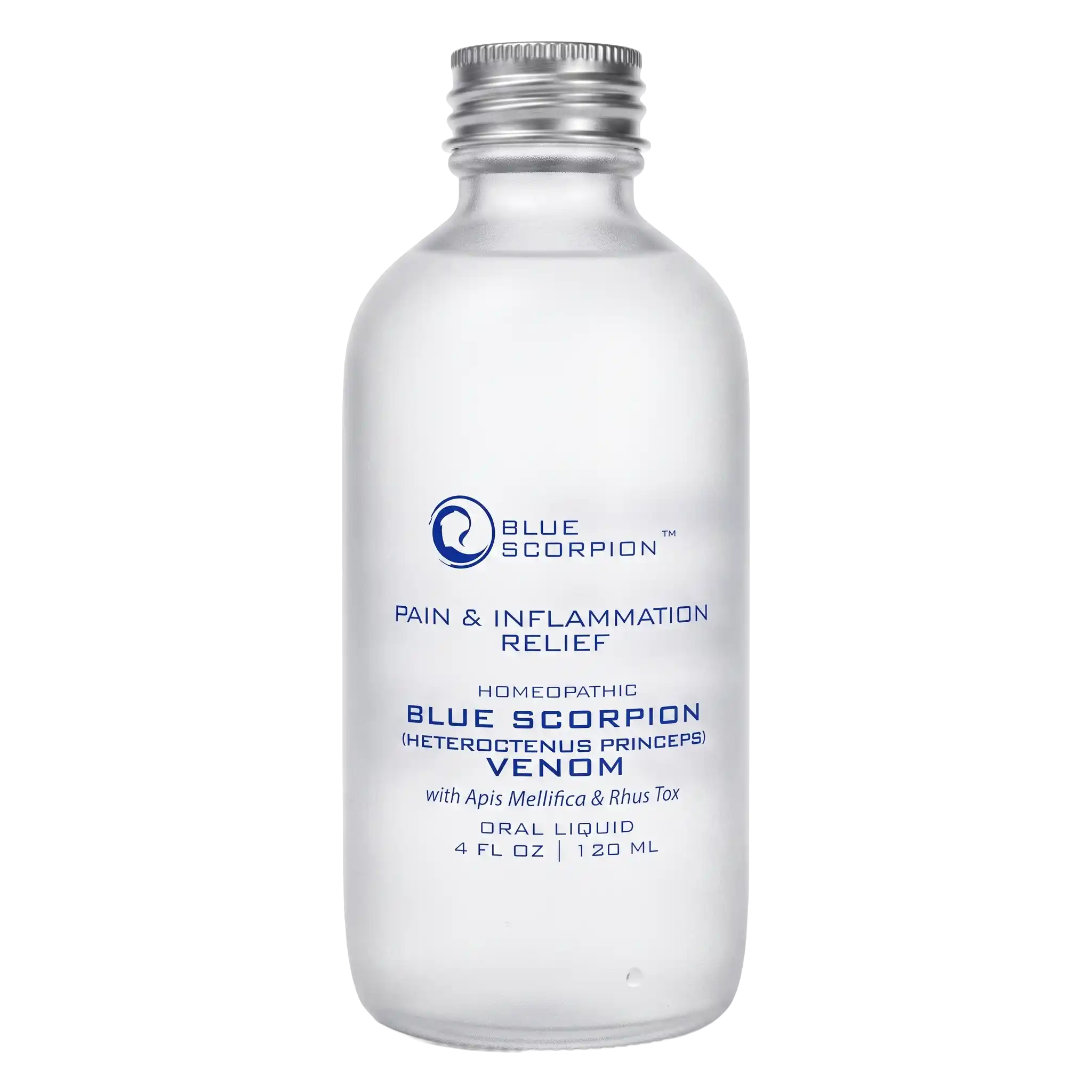
Joint stiffness, nerve pain, and persistent body aches often require specialized attention. Formulations utilizing rare ingredients like Heteroctenus Princeps (Caribbean Blue Scorpion) venom address these issues at a systemic level when combined with Apis Mellifica and Rhus Toxicodendron.*
Choosing a non-opioid and alcohol-free homeopathic medicine ensures you are supporting your well-being without synthetic side effects. Look for FDA NDC-listed products to ensure professional standards of quality and credibility.*
This type of systemic support helps calm the internal fire of inflammation. It supports better sleep and faster recovery from daily physical stress.*
Daily Habits That Help Bring the Body Back Into Balance
Food is only one piece of managing inflammation during menopause. Daily lifestyle habits play an equally important role in reducing systemic inflammation and supporting how your body feels. The goal is not a single dramatic change but a consistent set of practices that work together.
Regular Exercise Without Overdoing It
Regular exercise is one of the most effective tools for reducing chronic inflammation. Physical activity lowers CRP, improves insulin sensitivity, and supports healthy weight distribution. It also stimulates the release of anti-inflammatory molecules in the body.
The key is consistency without excess. High-intensity training done too frequently can temporarily spike inflammatory markers
A mix of moderate cardio, strength training, and gentle movement, such as walking or swimming, tends to deliver the most benefit for women managing menopause-related inflammation.*
Stress Management Through Mindfulness, Yoga, and Meditation
Chronic stress raises cortisol, and elevated cortisol promotes inflammatory activity over time. Stress management is therefore not a luxury. It is a direct way to support your immune system.
Mindfulness practices such as meditation and breathing exercises have been shown to lower inflammatory markers.
Yoga combines movement with breath work and has a measurable effect on both stress hormones and inflammation. Even ten to fifteen minutes of intentional breathing daily can contribute to meaningful change.
Sleep, Gut Health, and Hormone Support Options
Poor sleep is both a cause and a result of inflammation. Prioritizing sleep quality by maintaining a consistent schedule, limiting screen time before bed, and reducing alcohol intake can lower inflammatory markers over time.
Your gut microbiome also plays a role. A diverse gut microbiome produces compounds that regulate immune activity and reduce inflammation. Fermented foods and probiotics support microbial diversity, while processed foods and alcohol disrupt it.
For some women, hormone replacement therapy is a tool worth discussing with a healthcare provider to help restore hormone balance at its source.
Beyond that, many find that integrating a systemic approach to support provides a cleaner path to relief. By addressing the root of discomfort naturally, you can support your body’s recovery and long-term well-being.*
*These statements have not been evaluated by the Food and Drug Administration.
Bringing Relief to Inflammation and Menopause
Inflammation and menopause are deeply connected, shaping symptoms like joint discomfort, fatigue, and sleep disruption. As hormone levels decline, the body becomes more prone to ongoing low-grade inflammation that affects daily comfort and energy levels. Addressing this internal imbalance can support more consistent relief and improved well-being.*
Blue Scorpion provides a natural option for those seeking systemic support without opioids or alcohol. Working with the body’s processes, it helps reduce the burden of inflammation while supporting recovery across multiple symptoms. This approach aligns with a lifestyle focused on balance, consistency, and long-term wellness.*
If you are ready to feel more in control of inflammation and menopause symptoms, choose a solution that supports your whole body. Get Relief and start supporting your recovery today.
Frequently Asked Questions
What is the connection between inflammation and menopause?
The connection between inflammation and menopause is linked to declining hormone levels. As estrogen decreases, the body produces more pro-inflammatory signals, which can lead to symptoms like fatigue, joint discomfort, and sleep disruption.
Why does inflammation increase during menopause?
Inflammation increases during menopause because estrogen no longer regulates immune responses as effectively. This change allows inflammatory activity to remain elevated for longer periods.
Can inflammation during menopause affect daily energy levels?
Inflammation during menopause can affect daily energy levels by placing ongoing stress on the body. This can lead to persistent fatigue even after adequate rest.
How can I manage inflammation and menopause symptoms naturally?
You can manage inflammation and menopause symptoms naturally by focusing on anti-inflammatory foods, regular movement, stress management, and systemic support options that promote balance.
Does gut health influence inflammation and menopause symptoms?
Gut health influences inflammation and menopause symptoms by helping regulate immune responses and hormone metabolism. A balanced microbiome supports lower inflammation levels and better overall stability.