

Homeopathic pain relief becomes important when aches linger longer than they should. You might wake up stiff, feel sore after a simple activity, or deal with discomfort that keeps coming back without a clear reason. When pain sticks around like this, it calls for a more personalized approach.
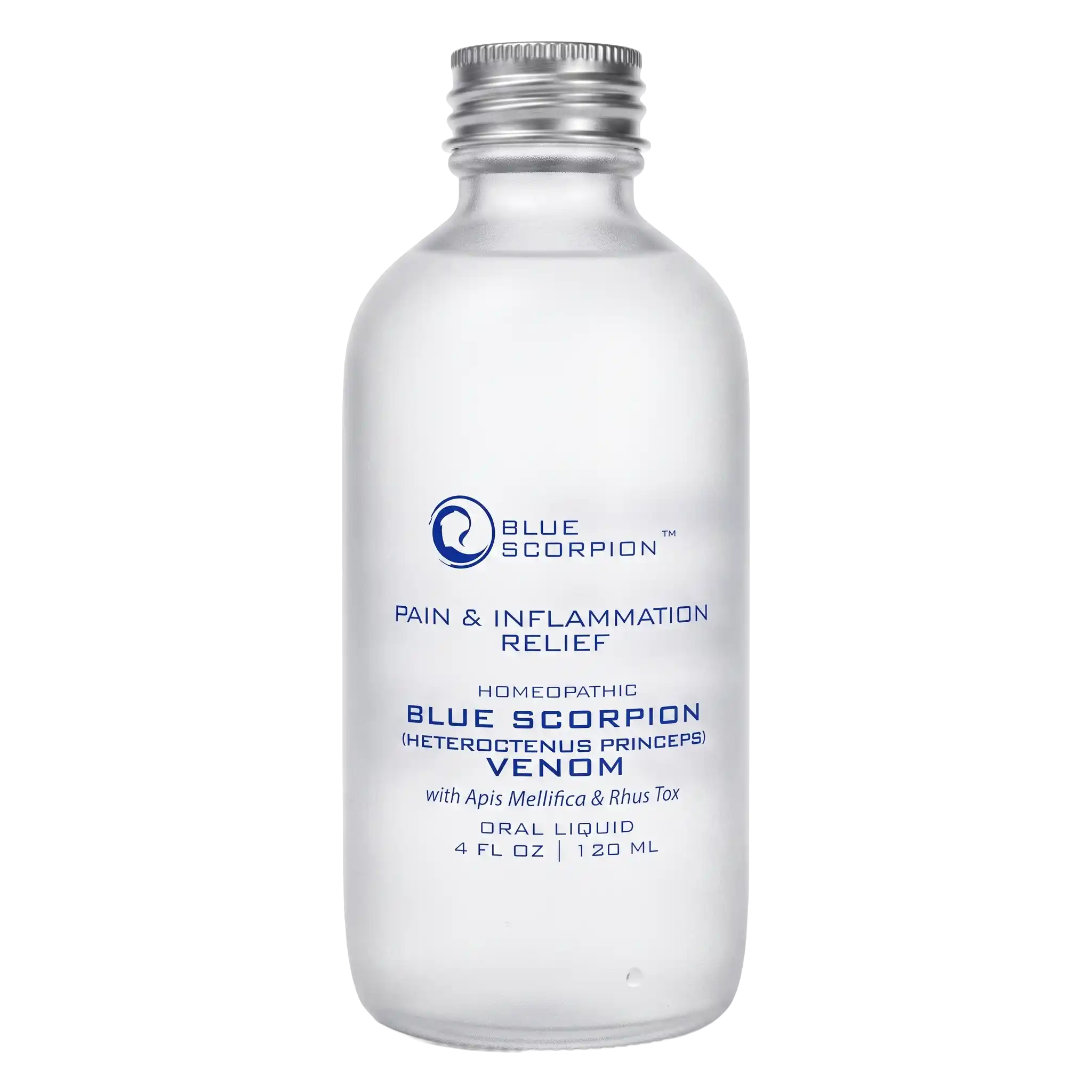
Blue Scorpion offers a natural, non-opioid, alcohol-free option designed to support whole-body relief. Instead of focusing on just one type of pain, this kind of support works across joints, muscles, and nerves to help reduce overall discomfort without adding synthetic strain.
In this article, you will learn how homeopathic pain relief works, which remedies match specific pain patterns, and how to use them safely. You will also see how daily habits can support better recovery and more consistent comfort.
Soreness After Injury, Bruising, and Overexertion
After a bump, bruise, or heavy workout, certain homeopathic remedies target the soreness. This pain usually feels spread out, heavy, and tender everywhere you touch.
It’s the kind of discomfort that creeps in after long hours on your feet, a tough workout, or a little fall. The whole body feels battered, not sharp or stabbing.
Sharp Nerve Pain, Tingling, and Sensitive Areas
Nerve pain has its own personality. It shoots, tingles, or feels electric - totally different from dull muscle aches.
This can show up after nerve compression, dental work, or a hit to nerve-dense spots. Even a light touch can set off a strong reaction, making the skin feel weirdly sensitive.
Pain Worsened by Movement vs Pain Eased by Motion
One crucial difference: does moving make your pain worse, or does it help? Some pain flares up with any movement and calms down only when you’re still.
Other pains hate being at rest - they actually improve once you get going. Stiffness that loosens with movement calls for a very different remedy than pain that demands you stay still.
Remedies Often Matched to Acute Pain and Flare-Ups
When pain hits suddenly or after an injury, homeopathy leans on certain remedies based on the pain’s quality and location. Here are five that come up often for short-term or injury-related pain.
Arnica Montana for Trauma, Bruising, and Post-Impact Pain
Arnica montana stands out as a go-to for bruising, muscle trauma, and soreness after overdoing it or getting banged up.
People often say their body feels sore and battered after using Arnica 30c. The pain can spread beyond the original injury and feels tender to the touch.
Hypericum Perforatum for Nerve-Rich Injuries
Hypericum perforatum is the top pick for injuries in nerve-packed spots - think fingertips, toes, the spine, or tailbone.
Pain here shoots or radiates. Hypericum 30c comes up often for post-surgery nerve pain, crushing injuries, or dental pain with that electric, nerve-like zing.
Bryonia Alba for Stitching Pain That Hates Motion
Bryonia alba fits pain that’s sharp and stabbing, and gets much worse with even tiny movements. People who need it usually want to lie still and press firmly on the sore spot.
It’s often used for joint inflammation or pain that spikes when you cough, breathe deep, or reach. Rest actually brings real relief.
Rhus Toxicodendron for Stiffness That Loosens Up
Rhus toxicodendron is well-known for pain that starts out stiff and sore but gets better as you move. Classic example: morning stiffness that fades after you get moving.
People use it for muscle inflammation, stiff joints after resting, and pain that comes back if you stop moving for too long.
Ruta Graveolens for Tendons, Ligaments, and Repetitive Strain
Ruta graveolens targets soreness in tendons and ligaments. It’s often chosen for overuse injuries - tennis elbow, IT band pain, or wrist tension from repetitive motions.
This pain feels deep and achy, not sharp, and there’s a sense of weakness or bruised soreness where the connective tissue attaches.
Joint, Muscle, Tendon, and Nerve Support
Pain in joints and soft tissues rarely sticks to one clear pattern. Arthritis, tendonitis, muscle aches, and nerve pain can overlap and shift. Picking the right remedy means noticing which tissue is most affected, and how the pain changes with activity or rest.
Arthritis and Recurring Joint Discomfort
Arthritis often brings joint pain with both stiffness and inflammation. Rhus toxicodendron is popular when morning stiffness rules and movement brings relief.
Bryonia alba fits better when inflammation makes the joint hot, swollen, and even slight movement hurts. Both show up a lot in homeopathic joint support routines.
Muscle Inflammation After Training or Physical Work
Arnica montana works for muscle inflammation after exercise or impact. When soreness feels heavy, bruised, and spreads across several muscles, this is a common choice.
If the pain lingers after the first soreness fades, Rhus toxicodendron helps when stiffness returns after you cool down or rest.
Tendonitis, Sprains, and Overuse Recovery
Ruta graveolens is the main remedy for tendon and ligament issues. Tendonitis, sprains, or repetitive strain with pain at the attachment points match well.
If the injury also involves nerve irritation - like in a sprain that compresses nerves - Hypericum perforatum might be added to the mix.
Nerve Pain After Dental Work, Compression, or Impact
Hypericum perforatum is the go-to for nerve pain after dental work, compression injuries, or hits to nerve-rich areas. The pain shoots, burns, or tingles along the nerve path.
This feels totally different than joint or muscle pain. Remedies for bruising or stiffness won’t help much here; you need something that targets nerves.
How Remedy Selection Usually Happens
Choosing a homeopathic pain remedy means looking closely at your pain’s personality. People and practitioners check where the pain is, how it feels, when it’s worst, and what seems to change it.
Why Homeopathic Pain Relief Depends on How Your Pain Feels
Homeopathic pain relief is built around how your pain actually behaves, not just where it is. The same type of discomfort can feel different from one person to another, which is why details like timing, sensation, and triggers matter when choosing a remedy.
According to the Cleveland Clinic, remedies are selected based on individual symptom patterns rather than a one-size-fits-all approach.
Location, Sensation, and Timing of Pain
First, pinpoint where the pain lives and how it feels. Is it burning, shooting, aching, stabbing, or throbbing? Each points to different remedies. Timing matters too. Pain that’s worse in the morning, at night, or after inactivity all lead to different remedy choices.
Triggers Such as Rest, Motion, Pressure, Heat, and Cold
What makes the pain worse or better often tells you the most. Bryonia alba fits pain that gets worse with movement. Rhus toxicodendron helps when movement eases stiffness.
Trigger | Remedy Often Considered |
Pain worse with any motion | Bryonia alba |
Stiffness worse at rest, better moving | Rhus toxicodendron |
Pain in nerve-rich areas after impact | Hypericum perforatum |
Bruising, soreness, post-exertion aches | Arnica montana |
Tendon and ligament strain | Ruta graveolens |
How you react to heat, cold, or pressure adds more detail. Some pain gets better with warmth, others with cold. It’s not always obvious until you try.
When Standardized Acute Approaches Are Used
For clear, acute issues like a fresh bruise, nerve pain after surgery, or a muscle strain from training, people often grab a standard remedy without much debate. Arnica 30c for impact and Hypericum 30c for nerve injuries are classic examples. No need for deep analysis in those moments.
Why Chronic Cases Often Need Individualized Care
Chronic pain rarely improves with acute protocols used over and over. If pain shifts, involves several tissues, or ties to something ongoing like arthritis, you’ll want a more tailored approach.
Practitioners look at your whole story - lifestyle, sleep, stress, and the history of your pain - to pick a remedy that fits you, not just your symptoms.
Potency, Dosing, and Safe Use Basics
Potency and dosing come up a lot with homeopathic pain care. The 30C strength is common for acute problems, but it’s not the only option. Safe use means watching the timing, how often you take it, and knowing when to stop.
When 30C Is Commonly Discussed for Acute Situations
People often use 30C (diluted 1:100, 30 times) for sudden injuries, short-term inflammation, and soreness after exertion. It’s a mid-level potency that works for self-care in clear, short-term cases. Higher potencies usually need professional guidance.
Lower ones - like 6C or 12C - sometimes suit sensitive folks or for gentle, ongoing support.
How Arnica 30c and Hypericum 30c Are Commonly Referenced
Arnica 30c is a staple for soreness, bruises, and muscle trauma after impact. Hypericum 30c is more for nerve-heavy pain - think shooting or sensitive pain in nerve-rich spots. You can find both over the counter in the U.S. They’re some of the most used homeopathic pain remedies for acute care.
Repeating Doses Without Overdoing It
In homeopathy, you repeat doses only while symptoms keep improving. Once you feel steady relief, stop. No need to keep dosing if nothing’s changing.
Take a dose every few hours during severe pain
Space doses out as you start to feel better
Stop when your relief holds steady
Start again only if pain clearly returns
How often you take it matters more than how much. Less is often more.
When Professional Medical Care Should Come First
Homeopathy supports pain management, but it’s no substitute for emergency care. If you think you broke something, have an infection, or see swelling that’s hot and spreading fast, get medical help first.
Severe pain after injury, signs of infection, or neurological symptoms need quick attention. Homeopathic remedies work best alongside proper care, not as a replacement.
Where Natural Options Fit in a Modern Pain Routine
Natural homeopathic pain relief sits alongside other wellness habits. It’s not about ditching everything else. Instead, it offers non-opioid, whole-body support for the aches and pains that come with daily life - whether from exercise, chronic issues, or flare-ups.
Pairing Remedies With Rest, Movement, and Rehab
Remedies work best with good physical care - rest, the right exercises, therapy, and sleep all matter. No remedy can replace these basics.
If you use remedies to ease pain during rehab, it’s easier to stick with your movement plan. For active folks, less soreness after training means better long-term results.
A Non-Opioid Approach for Active Lifestyles
One big benefit of homeopathy for pain: it’s non-opioid and alcohol-free. Athletes and busy people want pain relief that won’t slow them down or mess with focus.
No opioids in the mix
No alcohol, if you choose the right liquid formula
No synthetic additives in clean-label options
Fits into a packed, active schedule
Blends with ingredients like Heteroctenus Princeps, Apis Mellifica, and Rhus Toxicodendron cover a lot - nerve pain, joint stiffness, and general aches.* This kind of mix gives broader support than single remedies and avoids pharmaceutical risks.
What to Expect From Supportive Care vs Emergency Needs
Homeopathic pain relief helps with daily aches, muscle inflammation, tendonitis, and arthritis discomfort. It can also help during recovery from small injuries. These remedies aim to ease symptoms and support your body’s natural healing process.* They don’t treat, cure, or prevent disease.
For emergencies, surgery, or prescription needs, conventional medicine comes first. Natural remedies can work alongside that care, but they don’t replace it.
It’s important to know when you can manage a flare-up at home and when you need urgent help. If you’re unsure, talk to a healthcare provider before using any OTC product.
*These statements have not been evaluated by the Food and Drug Administration. This product is not intended to diagnose, treat, cure, or prevent any disease.
Finding Relief When Pain Keeps Coming Back
Homeopathic pain relief offers a practical way to manage aches that linger and return. By matching remedies to how your pain behaves, it supports more targeted relief and helps your body recover in a steady, natural way.*
Blue Scorpion supports this approach by providing a natural, non-opioid, alcohol-free option that works systemically. When used alongside movement, rest, and recovery habits, it helps reduce discomfort while supporting a more balanced daily routine.*
If you are ready to stop chasing temporary fixes, choose homeopathic pain relief that works with your body. Get Relief and start supporting your recovery today.
Frequently Asked Questions
What is homeopathic pain relief?
Homeopathic pain relief is a method of managing pain by selecting remedies based on how symptoms appear and change. It focuses on matching the remedy to the individual experience of discomfort.
How does homeopathic pain relief work?
Homeopathic pain relief works by using remedies that align with specific symptoms such as sensation, location, and triggers. This approach supports the body’s natural response to pain.
Can homeopathic pain relief help with recurring aches?
Homeopathic pain relief can help with recurring aches by supporting symptom relief based on patterns that repeat over time.*
How often should homeopathic pain relief remedies be used?
Homeopathic pain relief remedies are used based on how symptoms respond. Dosing is typically reduced or stopped as relief becomes consistent.
Is homeopathic pain relief safe for daily use?
Homeopathic pain relief is generally safe for daily use when used as directed. It is still important to seek medical care for serious or worsening symptoms.