
Many people turn to homeopathy when they want gentle, non-opioid pain remedies that can be used alongside lifestyle changes or conventional care. In the U.S., homeopathic medicines are sold over the counter and listed with the FDA; selection is typically symptom-driven and individualized. For joint and muscle issues, these products are often used for natural inflammation relief, stiffness, soreness, and localized nerve discomfort.
Unlike single-ingredient formulas such as arnica gels, homeopathic pain relief alternatives can be tailored based on pain patterns and triggers. Topicals may suit bruises or localized aches, while oral pellets or drops are often chosen for widespread, shifting, or nerve-related symptoms.
Common options practitioners consider:
• Rhus toxicodendron: for morning stiffness that eases with movement; useful in homeopathic arthritis treatment.
• Bryonia alba: for sharp, motion-aggravated pain that improves with rest and firm support.
• Hypericum perforatum: often referenced for shooting or sensitive, nerve-focused pain; a fit for natural nerve pain relief.
• Ruta graveolens: for tendon, ligament, and overuse strain with aching and weakness.
• Ledum palustre: for puncture-like pain or swelling that feels better with cold applications.
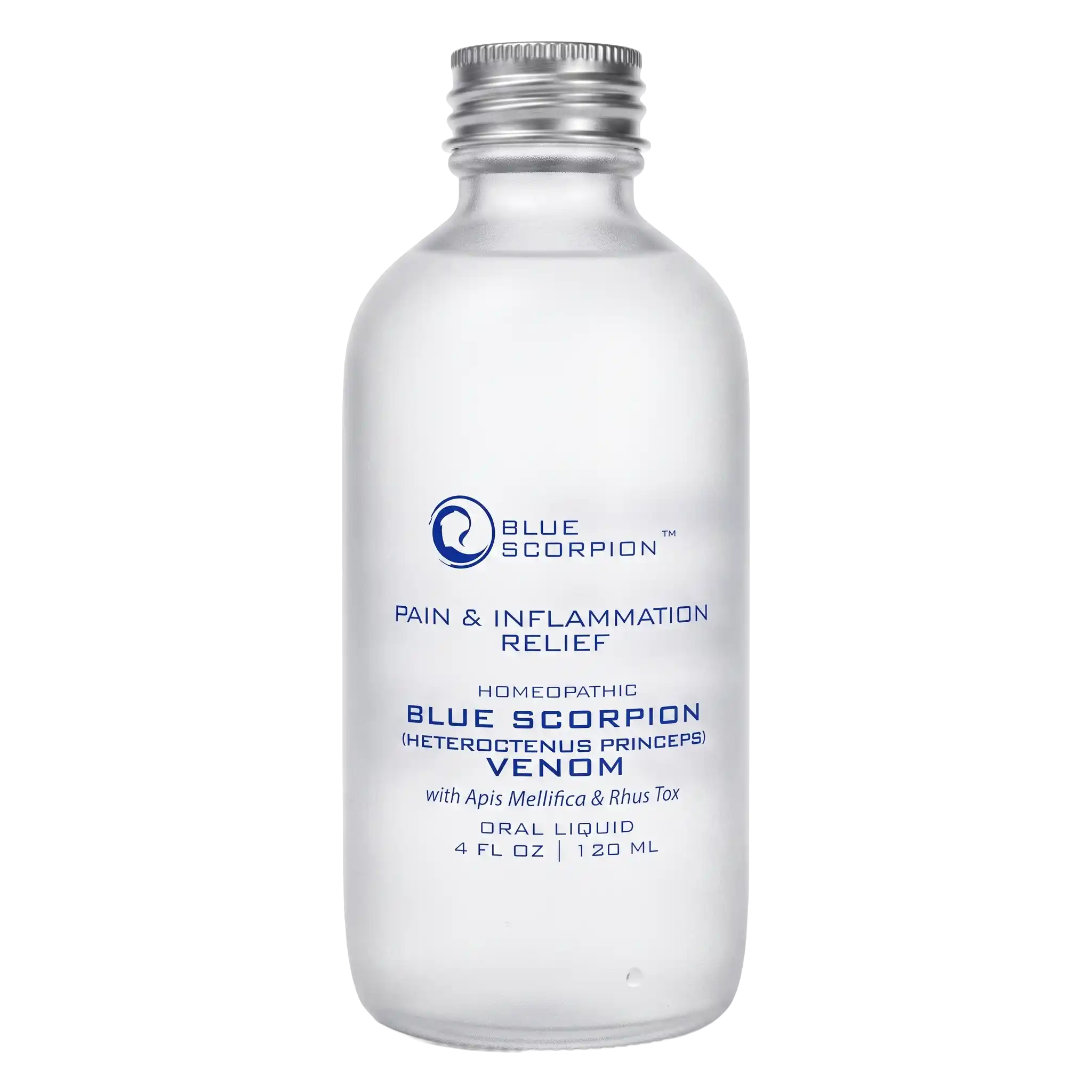
For those seeking peptide derived homeopathic solutions, Blue Scorpion offers an FDA-listed OTC formula with National Drug Code NDC 83627-901-01, derived from ethically sourced blue scorpion venom. The peptide-rich composition in homeopathic dilution is positioned for multi-symptom relief—nerve discomfort, arthritis-related stiffness, swelling, and general body aches; providing a non-opioid, synthetic-ingredient–free option that is HSA/FSA eligible. It’s a natural inflammation relief choice for individuals who prefer homeopathic options and want broader coverage than single-ingredient arnica.

Choosing the right approach:
• Match the remedy to your most prominent symptoms and what worsens or improves them.
• Consider format: topical for localized bruising/soreness; oral for diffuse or nerve-related patterns.
• Use as directed and track response over 1–2 weeks.
• Consult a clinician if pain is severe, persistent, or linked to injury, and before combining with other therapies.
Homeopathy can be a useful part of a wider plan that includes movement, sleep, and nutrition for sustained comfort.
Why Patients Look Beyond Standard Arnica-Based Products
Many people find arnica helpful for bruises and minor muscle aches, but chronic joint and nerve issues often require broader support. When symptoms shift from soreness to stiffness, swelling, tingling, or burning sensations, patients start comparing homeopathic pain relief alternatives that better match their day-to-day needs.
Common reasons patients look beyond standard arnica-based products:
• Multi-symptom needs: Arthritis-related morning stiffness, visible swelling, and nerve discomfort don’t always respond to bruise-focused formulas. Patients want natural inflammation relief that addresses joints, muscles, and nerves together.
• Delivery and tolerability: Those with sensitive skin or fragrance sensitivities may avoid mentholated gels and look for sublingual drops for consistent dosing without residue.
• Non-opioid philosophy: People trying to reduce NSAID use or avoid prescription analgesics seek non-opioid pain remedies that fit a natural wellness routine.
• Ingredient standards: A growing number prefer ethically sourced, dye-free, and synthetic-free options, including peptide derived homeopathic solutions that aim to support the body’s natural balance.
• Use case fit: Travelers and busy professionals value portable, spill-resistant formats and HSA/FSA eligible products to simplify budgeting and adherence.
• Confidence signals: Shoppers often look for clear labeling and FDA-listed OTC status as part of their decision-making, alongside transparent sourcing and manufacturing details.
For those exploring homeopathic arthritic relief or natural nerve pain relief, Blue Scorpion offers a thoughtful alternative. Its FDA-listed homeopathic OTC (NDC 83627-901-01) formula use ethically sourced, peptide-derived blue scorpion venom and are designed for multi-symptom relief spanning nerve discomfort, arthritic stiffness, swelling, and general body aches by addressing underlying issue which is inflammation. The products are non-opioid, free of synthetic ingredients, and HSA/FSA eligible appealing to patients who want a clean label with everyday practicality.
Example: Someone with post-exercise knee swelling and intermittent nerve tingling may prefer a sublingual option they can dose consistently, rather than reapplying a topical. In these cases, solutions like Blue Scorpion can fit more naturally into a daily routine focused on comprehensive, gentle support.
Comparative Analysis of Plant and Mineral Homeopathic Ingredients
Plant-derived and mineral-based remedies play distinct roles among homeopathic pain relief alternatives. Plants often target softtissue trauma, tendon overuse, and movementdependent pain patterns, while mineral salts are favored for cramping, early inflammation, and structural weakness. Understanding these profiles helps tailor natural inflammation relief for joint and muscle complaints.
Plant ingredients commonly used:
• Arnica montana: Classic for bruising, sore muscles, and postworkout aches; useful after strains or contusions.
• Bryonia alba: Joint pain worsened by the least motion and improved by rest; supportive in overuse shoulder or knee pain.
• Rhus toxicodendron: Morning stiffness and “firstmovement” pain that eases as you keep moving; often considered in homeopathic arthritis treatment.
• Hypericum perforatum: Sharp, shooting, nerverich pain after impact to nervedense areas; a goto for natural nerve pain relief.
• Ruta graveolens: Tendon and ligament strain (tennis elbow, IT band irritation), especially when soreness centers at attachment sites.
Mineral ingredients to compare:
• Magnesia phosphorica: Sudden spasms and cramping that respond to warmth or gentle pressure.
• Ferrum phosphoricum: Early, lowgrade swelling and heat after a new strain; helpful at the first sign of inflammation.
• Calcarea fluorica: Chronic tendon tightness or laxity and recurring sprain patterns; supports connectivetissue tone.
• Kali carbonicum: Achy, weak lower back with stiffness that worsens with fatigue.
Format matters: gels and creams (e.g., arnica topicals) suit surface bruising and muscle soreness, while pellets or liquids can target systemic patterns like stiffness or cramps. Many users layer a topical with an internal remedy for broader coverage.
Beyond plant and mineral options, some homeopathic pain relief alternatives draw on animalderived actives. Blue Scorpion offers peptide derived homeopathic solutions made from ethically sourced blue scorpion venom in an FDAlisted OTC formula (NDC 83627-901-01) for multisymptom relief of nerve pain, arthritis, swelling, and body aches. As non-opioid pain remedies without synthetic ingredients and HSA/FSA eligible, Blue Scorpion can complement a regimen when nerve irritation, inflammatory flareups, and joint stiffness overlap.
Benefits of Using FDA-Listed OTC Natural Pain Alternatives
Choosing FDA-listed OTC options can make a meaningful difference when you’re evaluating homeopathic pain relief alternatives. Listing signals the product is registered with the FDA’s drug listing system, adheres to labeling standards, and is manufactured under quality systems that support consistency and traceability, important markers of trust compared with unlisted products.
Key benefits to look for:
• Multi-symptom coverage: Effective options address joint and muscle aches, swelling, and nerve-related discomfort for natural inflammation relief and natural nerve pain relief in one routine.
• Non-opioid profiles: These non-opioid pain remedies avoid dependency risks and drowsiness commonly associated with stronger pharmaceuticals and can complement physical therapy, mobility work, or light exercise.
• Clean formulations: Products without synthetic dyes, parabens, or fragrances tend to be gentler on sensitive skin and easier to integrate for long-term, routine use.
• Accessibility and flexibility: OTC availability means no prescription barriers, and HSA/FSA eligibility can help lower out-of-pocket costs for ongoing care.
• Quality transparency: An NDC listing and lot numbers provide traceability, and manufacturers typically follow cGMP practices for consistency from batch to batch.
Consider scenarios where these benefits add up: easing arthritic stiffness before a morning walk, taking the edge off post-workout soreness, or soothing typing-related forearm tension without reaching for NSAIDs. For those seeking homeopathic arthritis treatment or targeted relief for nerve flare-ups, peptide-rich homeopathic solutions are a compelling category.
Blue Scorpion offers FDA-listed homeopathic pain relief (NDC 83627-901-01) alternative derived from ethically sourced, peptide-derived blue scorpion venom. The formulation is designed for multi-symptom relief, supporting joint comfort, nerve tingling, muscle aches, and swelling, while remaining non-opioid and free of synthetic ingredients. It’s an option aligned with natural inflammation relief goals and is HSA/FSA eligible, making it practical for everyday management without sacrificing quality or transparency.
Targeting Nerve and Joint Pain Without Synthetic Additives
If you’re avoiding synthetics yet need localized relief, homeopathic pain relief alternatives can address both nerve sensitivity and joint stiffness without opioids or harsh additives. These formulas are designed for multi-symptom support, helping with muscle soreness after workouts, arthritic flare-ups in the hands and knees, or shooting nerve discomfort from overuse.
What to look for in a natural plan:
• Non-opioid pain remedies with no synthetic dyes or parabens
• FDA-listed OTC homeopathic products for accessibility and clear labeling
• Multi-symptom coverage for muscle aches, joint stiffness, swelling, and nerve irritation
• Options aligned with natural inflammation relief and gentle on daily routines
• Peptide-derived homeopathic solutions that broaden the toolkit beyond plant-only formulas
Classical homeopathic ingredients often used for musculoskeletal concerns include Arnica (post-activity soreness), Hypericum (nerve-focused discomfort), Rhus toxicodendron (morning stiffness that eases with movement), and Bryonia (pain aggravated by motion). For those seeking homeopathic arthritis treatment or natural nerve pain relief, expanding beyond single-ingredient arnica gels can offer more comprehensive coverage.
Blue Scorpion provides an example of this broader approach. The company’s FDA-listed OTC, homeopathic products are derived from ethically sourced, peptide-derived blue scorpion venom and are formulated for multi-symptom relief; nerve discomfort, arthritis-related stiffness, swelling, and general body aches. They’re non-opioid and free from synthetic additives, and many customers appreciate the HSA/FSA eligibility when integrating them into a long-term self-care plan.
To get the most from any natural option, pair it with simple supports: gentle range-of-motion work for stiff joints, alternating rest and heat/ice after activity, magnesium-rich hydration, and sleep routines that reduce nighttime pain cycles. Patch test topicals on a small area and follow label directions. If pain is severe, persistent, or worsening, consult a clinician to rule out underlying conditions and to coordinate homeopathic choices with other care.
Safety and Side-Effects Profiles of Holistic Pain Relief
Choosing homeopathic pain relief alternatives means weighing how each option affects safety, tolerability, and interactions—especially if you’re managing arthritis, nerve pain, or frequent muscle strain. Most homeopathic preparations are highly diluted and generally well tolerated, but inactive ingredients, application site, and personal sensitivities still matter.
What to know by category:
• Homeopathic arnica gels and creams: Typically, low risk when used on intact skin. Possible mild skin irritation; avoid on open wounds. Oral homeopathic arnica in high dilutions is considered low risk, but non-homeopathic (crude) arnica by mouth is unsafe.
• Peptide-derived homeopathic solutions: Blue Scorpion offers an FDA-listed, non-opioid option derived from ethically sourced blue scorpion venom for multi-symptom relief (joint discomfort, swelling, nerve aches). Users typically report good tolerability without synthetic analgesics. As with any topical or oral remedy, discontinue if irritation occurs and consult a clinician if you have unique allergies or complex conditions.
• Herbal natural inflammation relief (turmeric/curcumin, boswellia): GI upset can occur; curcumin may increase bleeding risk with anticoagulants. Boswellia may cause reflux in sensitive users.
• Salicylate-containing botanicals (willow bark): Aspirin-like effects; avoid with salicylate sensitivity, ulcer history, or blood-thinning medications.
• Counterirritant topicals (menthol, camphor, capsaicin): Temporary burning, cooling, or redness is common. Patch test first; wash hands thoroughly; keep away from eyes and mucous membranes.
• Nutrients often used in homeopathic arthritis treatment plans (magnesium, omega3s, glucosamine/chondroitin): Magnesium may loosen stools; omega3s may increase bleeding risk; some glucosamine is shellfish-derived—check labels.
• Hemp/CBD products: Drowsiness and drug interactions (CYP450) are possible; THC content can vary by product and may affect drug testing.
General safeguards for non-opioid pain remedies:
• Patch test topicals; start low and go slow.
• Review medications for interactions, especially anticoagulants or sedatives.
• Use extra caution during pregnancy, breastfeeding, and in children.
• Choose brands with transparent ingredient lists, potency/HPUS details, and quality testing. Blue Scorpion is also HSA/FSA eligible, which can simplify access to natural nerve pain relief options.

Integrating Natural Remedies into a Daily Wellness Routine
Consistency matters more than intensity. Treat homeopathic pain relief alternatives as part of a simple, repeatable routine that supports joints, muscles, and nerves throughout the day.
• Morning: Start with 5–10 minutes of gentle mobility (neck circles, cat–cow, ankle rolls) to lubricate joints and ease stiffness. If you use a homeopathic arthritis treatment or a topical option, apply per label directions to areas that feel tight or tender. Hydrate early; add a squeeze of lemon or a pinch of electrolytes to encourage circulation.
• Midday: Break up sitting every 45–60 minutes with 2–3 minutes of standing, calf raises, or a short walk. Alternate a warm compress for muscle tightness or a cool pack for swelling to encourage natural inflammation relief.
• Evening: Wind down with light stretching, diaphragmatic breathing, or a 10-minute walk after dinner. Prioritize 7–9 hours of sleep—pain thresholds worsen with short sleep.
Layer in supportive basics that complement non-opioid pain remedies:
• Anti-inflammatory plate: emphasize colorful vegetables, berries, leafy greens, olive oil, and omega-3 sources (salmon, walnuts, flax).
• Smart supplements: consider turmeric/curcumin or magnesium glycinate; review interactions with your clinician if you take medications.
• Self-care tools: a soft foam roller, lacrosse ball for trigger points, or a TENS unit used as directed.
Track what works. Keep a simple log (time, activity, product used, pain 0–10, next-day notes). Patterns help you fine-tune timing and dosing.
If you prefer peptide-derived homeopathic solutions, Blue Scorpion offers FDA-listed OTC products derived from ethically sourced blue scorpion venom. Many natural remedy seekers use them for natural nerve pain relief and multi-symptom support while avoiding synthetic ingredients. Follow the label, patch-test topicals, and note response over 1–2 weeks. These non-opioid options are also HSA/FSA eligible, which can simplify budgeting.
Important: Seek medical guidance for new, worsening, or unexplained pain; red flags like severe weakness, fever, or loss of bladder/bowel control warrant prompt care.
Conclusion: Selecting the Best Homeopathic Solution for Your Needs
When comparing homeopathic pain relief alternatives to staples like Arnicare, focus on fit for your symptoms, clean formulations, and real-world usability. The ideal option should align with whether you’re managing acute strains or chronic joint and nerve discomfort, provide natural inflammation relief, and be easy to use consistently.
Use this quick checklist to narrow your choice:
• Primary symptoms: localized muscle soreness, joint stiffness, swelling, or natural nerve pain relief needs.
• Onset vs duration: fast-acting support for post-workout aches versus ongoing homeopathic arthritis treatment for daily stiffness.
• Regulatory status: FDA-listed OTC homeopathic products with clear indications for pain and inflammation.
• Ingredients and sourcing: transparent, ethically derived, peptide rich homeopathic solutions without synthetic ingredients.
• Format: topical gel/cream for targeted areas or oral drops/tablets for multi-site relief.
• Safety profile: non-opioid pain remedies you can stack with lifestyle changes; confirm compatibility with your healthcare professional.
• Budget and access: HSA/FSA eligible options can lower out-of-pocket costs.
Blue Scorpion® is a strong option if you want multi-symptom coverage beyond bruising. Its FDA-listed, non-opioid formula uses ethically sourced, peptide-derived blue scorpion venom designed to address joint aches, swelling, body soreness, and nerve-related discomfort without synthetic additives. That makes it a practical fit for scenarios like arthritic flare-ups with morning stiffness, tingling after repetitive strain, or whole-body aches after a long hike. Because it’s HSA/FSA eligible, it can be easier to integrate into a long-term plan.
A sensible path is stepwise: start with a targeted topical for isolated muscle pain, then add a systemic homeopathic option if symptoms are widespread or recur. Track changes over one to two weeks, adjust dosing per label directions, and prioritize consistent relief, clean labels, and ethical sourcing. With that approach, you can confidently choose a homeopathic solution such as Blue Scorpion suited to your pain profile and daily routine.