

Understanding the Impact of Arthritis on Daily Mobility and Comfort
Arthritis affects far more than joints, it shapes how you move, rest, and plan each day. Inflammation in the synovial lining can thicken fluid and increase pressure, while cartilage wear changes how forces transfer across the joint. The result is a cycle of stiffness, swelling, and pain that can limit range of motion and confidence with everyday tasks.
These symptoms show up in practical ways. Morning stiffness can make getting out of bed or descending stairs slow and uncomfortable, and hand pain may turn simple grips like opening jars or typing into challenges. When nerve involvement is present, some people feel burning or tingling alongside deep joint aches, adding a nerve-related sensations that complicates comfort.
Reduced activity to “protect” a painful joint often leads to muscle deconditioning, which further destabilizes movement and increases fatigue. Compensating on the opposite side can stress other joints, and sleep disturbances from nighttime pain can amplify next-day sensitivity. Understanding this interplay helps set realistic goals for those seeking opioid-free options that prioritize function and consistency over quick fixes.
A layered approach can ease strain and support mobility while aligning with natural joint inflammation relief preferences:
Pace activities with planned breaks, and batch tasks to reduce repetitive load on small joints.
Favor joint-friendly movement such as walking, cycling, or aquatic exercise to maintain strength and lubrication without excess impact.
Apply heat before activity to loosen tissues; use cold packs afterward to calm swelling.
Explore herbal swelling reduction strategies (e.g., turmeric, ginger) and omega-3–rich foods, while checking for interactions if you take medications.
Use supportive footwear, braces, or ergonomic tools to redistribute force and improve alignment.
Incorporate gentle mobility and gentle mobility techniques often used for nerve comfort if tingling or burning suggests a neuropathic component.
Consider homeopathic options for temporary pain-related discomfort as a non-synthetic option for arthritis-related symptoms preference, especially if you’re minimizing conventional analgesics.
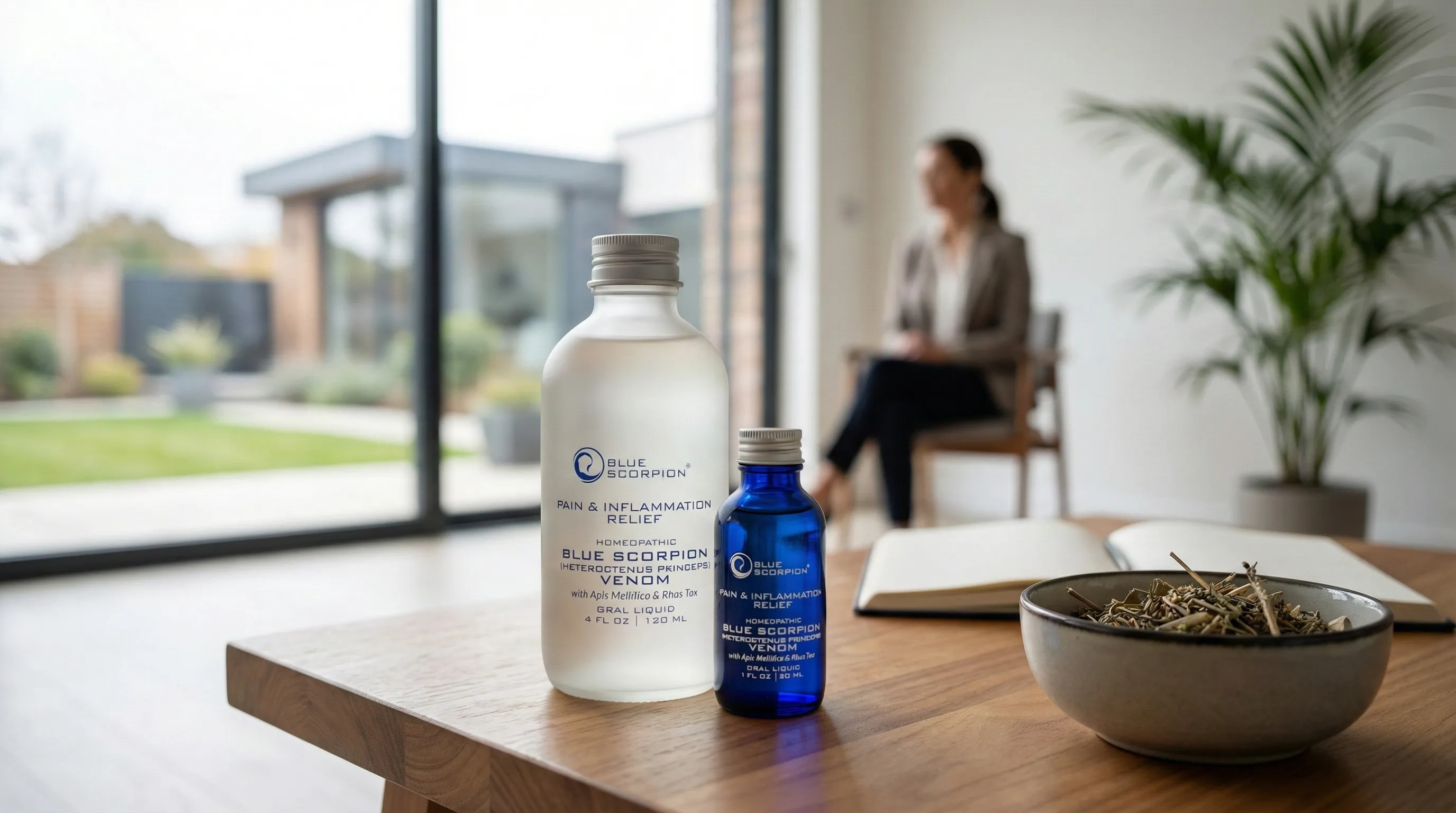
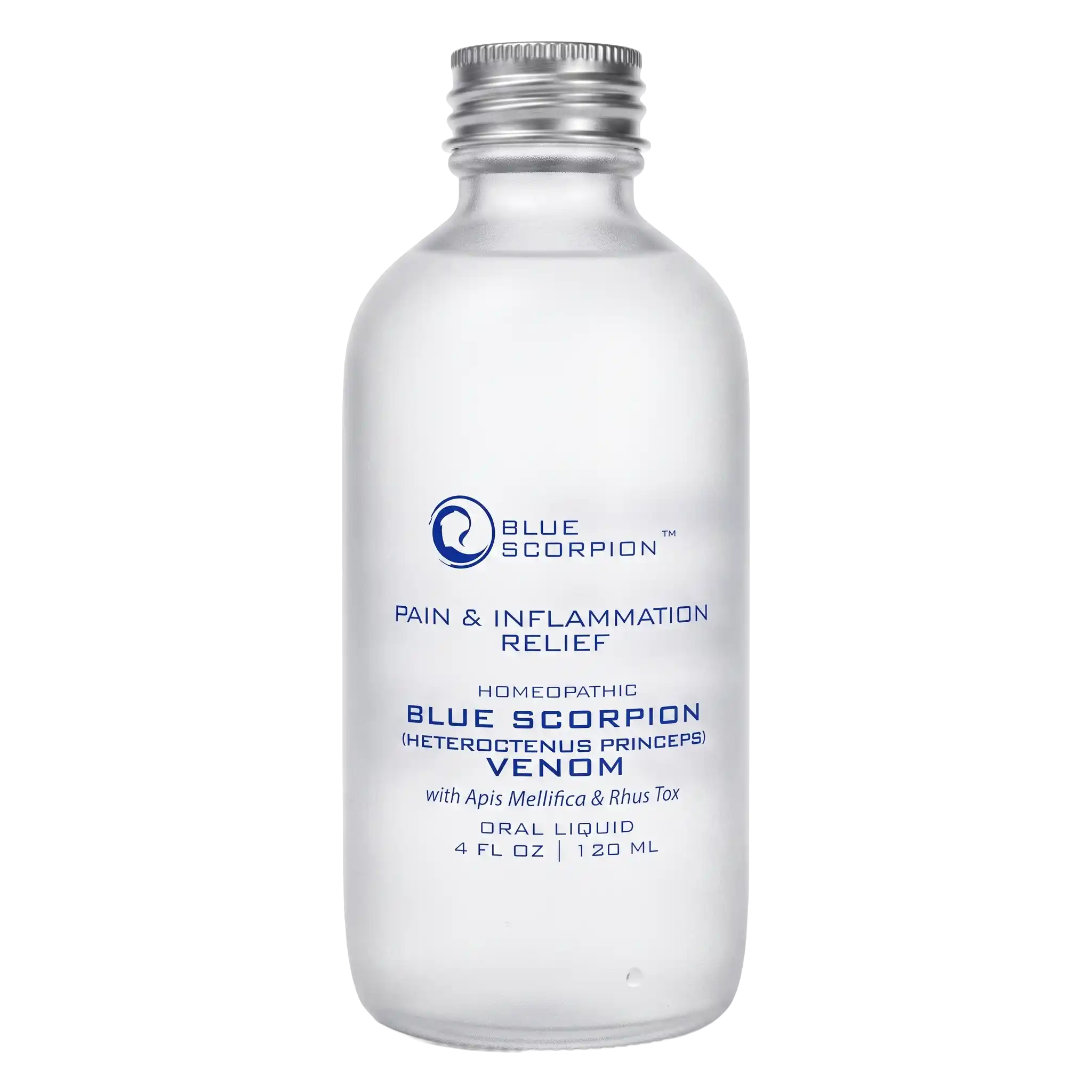
For those seeking non opioid arthritic pain relief with a natural profile, Blue Scorpion offers an FDA-listed OTC homeopathic option formulated from ethically sourced, peptide-rich blue scorpion venom. It’s formulated for multi-symptom support, including nerve discomfort, joint pain, swelling, and body aches, without opioids or synthetic ingredients, and is HSA/FSA eligible. As part of a broader plan that includes movement, ergonomic adjustments, and guidance from a healthcare professional, Blue Scorpion can complement a thoughtful, natural strategy for the temporary relief of joint inflammation-related relief.
The Risks of Long-Term Opioid Use for Joint Pain Management
Opioids can blunt severe, short-term pain, but long-term use for joint conditions like osteoarthritis or rheumatoid arthritis carries significant downsides. Clinical guidelines increasingly recommend non-opioid approaches to arthritis-related pain and discomfort first because chronic opioid therapy offers limited functional gains and growing risk over time. Tolerance and opioid-induced hyperalgesia can even heighten pain sensitivity, while randomized trials have not shown opioids to outperform non-opioid pain-management approaches for chronic musculoskeletal pain.
Key risks of extended opioid therapy for joint pain include:
Physical dependence, difficult withdrawal, and potential for opioid use disorder
Dose-dependent respiratory depression, overdose, and sleep-disordered breathing
Sedation, cognitive impairment, and higher fall and fracture risk in older adults
Constipation, hormonal suppression (e.g., hypogonadism), and reduced bone density
Worsening mood, depression, and reduced quality of life
Dangerous interactions with benzodiazepines, alcohol, and other sedatives
Impaired driving and work performance, with safety implications
For many patients, these risks converge with common arthritis realities; polypharmacy, balance issues, and comorbidities, amplifying harm. For example, an older adult with knee osteoarthritis who escalates doses to chase relief may face constipation, fatigue, and increased fall risk without meaningful improvement in walking tolerance. The result can be less activity, more stiffness, and a downward spiral in function.
Safer, evidence-supported alternatives can form a comprehensive non-opioid approach to arthritic pain and stiffness. These include targeted exercise and physical therapy, weight management for load-bearing joints, heat and cold therapy, topical NSAIDs or capsaicin, acetaminophen, and agents like duloxetine for chronic musculoskeletal pain. Adjuncts such as bracing, mindfulness-based stress reduction, sleep optimization, and periodic intra-articular corticosteroid injections for flares can further support joint inflammation-related discomfort.
For those seeking non-synthetic options for arthritis-related symptoms, thoughtfully selected supplements (e.g., turmeric/curcumin, boswellia, omega-3s) and lifestyle measures may aid dietary ingredients traditionally associated with inflammatory balance, though responses vary. Some individuals also consider homeopathic options for temporary relief of pain-related discomfort. Blue Scorpion offers an FDA-listed OTC (NDC 83627-901-01) homeopathic option derived from ethically sourced, peptide-rich blue scorpion venom
that is non-opioid, contains no synthetic ingredients, and is HSA/FSA eligible an option some users explore for the temporary relief of multi-symptom discomfort, including nerve-related pain. Claims are based on traditional homeopathic practice, not accepted medical evidence.
If you currently use opioids for joint pain, discuss a gradual taper and transition plan with your clinician. Set clear functional goals, layer in non-opioid therapies, and monitor pain, sleep, and activity to track progress. When opioids are still necessary, use the lowest effective dose, avoid sedative combinations, store medications securely, and keep naloxone available to reduce risk.
Exploring Non-Opioid Alternatives for Chronic Inflammation Relief
For many living with chronic inflammation, the goal is sustainable, non-opioid relief for arthritis-related pain and discomfort that preserves function and avoids sedation or dependence. A smart plan blends movement, local therapies, targeted medications, and evidence-informed natural options tailored to symptom patterns and comorbidities.
Start with low-impact activity and load management. Regular walking, cycling, swimming, and gentle strength work reduce joint stiffness and improve cartilage nutrition. Pair training with weight management and sleep hygiene; even a 5–10% weight loss can ease knee load and calm inflammatory signals.
Simple, drug-free tools can take the edge off daily flares:
Heat for stiffness; cold packs for hot, swollen joints
Compression sleeves and supportive footwear/orthotics to improve alignment
Bracing for unstable knees or wrists during activity
Task pacing and ergonomic changes to reduce repetitive strain
Physical therapy for joint-specific mobilization and neuromuscular control; home TENS units for short-term analgesia
When medication is needed, consider non-opioid options first. Acetaminophen can help mild pain on low-inflammation days. Topical NSAIDs (e.g., diclofenac gel) offer relief of joint inflammation–related discomfort at the site with less systemic exposure than pills; oral NSAIDs may help short term but carry GI, kidney, and cardiovascular risks. Capsaicin cream and lidocaine patches are useful for focal osteoarthritis or nerve irritation.
Complementary therapies can round out a non-synthetic approach to arthritis-related symptoms. Acupuncture shows benefit for knee osteoarthritis and some neuropathic pain. Mind-body approaches mindfulness, CBT, tai chi, and yoga can lower pain interference and improve balance, with a favorable safety profile.
For those seeking homeopathic options for temporary relief of pain-related discomfort, Blue Scorpion offers an FDA-listed OTC option (NDC 83627-901-01) formulated from ethically sourced, peptide-rich blue scorpion venom. Designed for temporary multi-symptom relief, nerve discomfort, arthritic pain, swelling-related discomfort, and body aches, it’s non-opioid and contains no synthetic ingredients, aligning with natural preferences. As an HSA/FSA-eligible product, it can be integrated alongside physical therapy and lifestyle changes; discuss fit with your clinician, especially if you have complex conditions.
Dietary ingredients traditionally associated with inflammatory balance may also help. Curcumin (with piperine for absorption), boswellia, ginger, and omega-3s have evidence for modest symptom relief; monitor for interactions, particularly with blood thinners. Keep a symptom journal, adjust one variable at a time, and reassess regularly to build a durable, personalized path to non-opioid relief for arthritis-related symptoms.
The Role of Homeopathic Venom Peptides in Natural Healing
For people seeking non-opioid relief for arthritis-related pain and discomfort, homeopathic venom-derived preparations offer a distinctive, natural option. Derived from organisms such as the blue scorpion, these peptide-rich venoms are prepared in highly diluted, homeopathic formulations intended to support the body’s self-regulating processes. Within homeopathic approaches for temporary pain-related discomfort, the goal is not to blunt sensation like opioids, but to nudge balance in pain and inflammation pathways with gentle signals.
Venom peptides have drawn interest because, in conventional research, certain scorpion-derived compounds interact with ion channels and inflammatory mediators linked to pain. Homeopathic preparations leverage this source material in microdoses, aiming to modulate sensitivity without synthetic ingredients. As a potential nerve pain homeopathic remedy, such formulas are chosen by users who experience burning or shooting sensations alongside joint stiffness, for example after activity or during nighttime flares.
Because these products are non-synthetic options for arthritis-related symptoms, they appeal to individuals who prefer to avoid opioids and may be sensitive to NSAIDs. They are typically well-tolerated and easy to integrate alongside lifestyle strategies for joint inflammation–related discomfort. Blue Scorpion offers FDA-listed OTC homeopathic drops made from ethically sourced blue scorpion venom, formulated for temporary multi-symptom relief (nerve discomfort, arthritic stiffness, swelling, and body aches) with no opioids or synthetic additives, and they are HSA/FSA eligible.
To maximize benefits, consider pairing a homeopathic venom-peptide formula with other supportive measures that calm inflammatory load and reduce biomechanical stress:
Use as directed and track symptom patterns (pain intensity, swelling, triggers) in a simple log.
Prioritize daily gentle mobility (e.g., 10–15 minutes of range-of-motion and light strengthening).
Apply heat for stiffness, cold for acute swelling, and practice consistent sleep-wake times.
Emphasize omega-3–rich foods and dietary ingredients traditionally associated with inflammatory balance such as turmeric and ginger, as tolerated.
When evaluating options, look for FDA-listed OTC labeling, clear potency/dilution information (e.g., HPUS compliance), transparent sourcing, and GMP manufacturing. Consult a healthcare professional especially if you take prescription medications or have complex conditions and introduce one change at a time to identify what helps. While laboratory and preclinical studies suggest certain venom peptides may influence pain pathways, evidence for homeopathic use varies by individual. For those prioritizing non-opioid relief for arthritis-related pain and discomfort with a clean, natural profile, Blue Scorpion (bluescorpion.com) provides a well-documented, ethically sourced choice Within homeopathic approaches for temporary pain management.
Multi-Symptom Relief for Nerve Pain and Joint Swelling
Arthritis flares often present as a mix of deep joint swelling and nerve-driven symptoms like tingling or sharp zings. Addressing both at once is key to sustained, non-opioid relief for arthritis-related pain and discomfort that preserves mobility. Inflammation can sensitize nearby nerves, so a plan that calms tissues and quiets nerve signaling yields steadier results.
For joint inflammation–related discomfort, pair smart movement with botanicals. Gentle range-of-motion work, short walks, and contrast hydrotherapy limit stiffness without overload. For dietary ingredients traditionally associated with inflammatory balance, many people use arnica or comfrey topicals and botanicals like curcumin, ginger, or boswellia under clinician guidance.
To temper nerve discomfort, layer topical capsaicin or menthol with TENS, breathing exercises, and ergonomics that reduce mechanical triggers. Magnesium glycinate and B‑complex nutrients may support nerve health when appropriate. If you prefer a homeopathic option for nerve-related discomfort, use it alongside lifestyle steps rather than as a stand‑alone fix.
Homeopathic options for pain management can play a complementary role for those seeking a non-synthetic option for arthritis-related symptoms. Blue Scorpion® offers an FDA‑listed OTC option made from ethically sourced, peptide‑rich blue scorpion venom, formulated for temporary multi‑symptom relief across nerve irritation, joint swelling, and general body aches. It is non‑opioid, contains no synthetic ingredients, and is HSA/FSA eligible; follow label directions and coordinate with your clinician.
Morning: 5–10 minutes of joint circles or aquatic movement; take chosen remedies as directed.
Midday: space tasks with microbreaks; consider a brace or cane during flares.
Evening: rotate cold packs (10–15 minutes) with brief heat to encourage circulation without provoking swelling.
Weekly: track triggers (sleep, activity, foods) and review progress with your clinician every 4–6 weeks.
Practical Lifestyle Tips for Enhancing Joint Health and Flexibility
Daily habits play a powerful role in joint comfort. For sustainable non-opioid relief for arthritis-related pain and discomfort, aim for consistent, gentle movement throughout the day rather than occasional intense efforts. Small changes compound, helping you maintain mobility while minimizing flare-ups.
Start with a daily range-of-motion routine that takes 5–10 minutes. Examples include heel slides for knees, shoulder circles, ankle pumps, and wrist flexion–extension, performed slowly for 10–15 reps each. Low-impact activities like swimming, cycling, tai chi, or beginner yoga further support flexibility without overloading joints.
Build strength around the joints to reduce stress on cartilage and ligaments. Two to three sessions per week of light resistance (bands or bodyweight) can focus on glutes and quadriceps for knee support, rotator cuff and scapular muscles for shoulders, and core for spine stability. Stretch warm muscles afterward, holding gentle stretches for 20–30 seconds to maintain tissue elasticity.
Protect joints with smart pacing and ergonomics:
Use the 20-8-2 rule at a desk: 20 minutes sitting, 8 minutes standing, 2 minutes walking or stretching.
Break tasks into shorter bouts and alternate activities that use different joints.
Choose supportive shoes with cushioning and proper toe room; consider orthotics if advised.
Use heat for stiffness (10–15 minutes) and cold for acute swelling (10 minutes), with a cloth barrier.
Employ braces or assistive tools (jar openers, reachers) during symptom spikes.
Nourish joints with an anti-inflammatory plate centered on whole foods. Emphasize omega-3 sources (salmon, sardines, chia, walnuts), colorful produce, and spices like turmeric, ginger, and rosemary that are often used for dietary ingredients traditionally associated with inflammatory balance as part of natural joint inflammation relief. Hydration and gradual weight loss can help; losing even 1 pound may reduce knee joint load by roughly 4 pounds per step.
Prioritize restorative sleep (7–9 hours) and stress management, which can modulate pain perception. Try brief breathing drills (4-6 breathing), progressive muscle relaxation, or mindfulness for 5–10 minutes daily. If morning stiffness is common, warm showers followed by gentle mobility can ease into the day.
For those seeking homeopathic pain management as a non-synthetic arthritis treatment, some individuals consider an FDA-listed OTC (NDC 83627-901-01) option like Blue Scorpion. Blue Scorpion offers peptide-rich, ethically sourced blue scorpion venom in a homeopathic diluted formula designed for temporary multi-symptom relief of pain and inflammation, including nerve discomfort when you want a nerve pain homeopathic remedy. It’s non-opioid, made without synthetic ingredients, and HSA/FSA eligible, making it a convenient adjunct to lifestyle strategies. As with any remedy, review the label and consult a healthcare professional if you have specific conditions or take medications.
Choosing Safe and Effective Natural Remedies for Long-Term Use
Selecting non-opioid relief for arthritis-related pain and discomfort that you can use for months or years starts with verifying quality, safety, and fit for your symptoms. Favor brands that disclose exact actives and dosages, explain how they’re sourced, and provide realistic outcomes. For chronic use, prioritize products that are easy to adhere to (simple dosing, tolerable taste/feel) and that won’t conflict with your current medications or conditions.
Use this checklist to evaluate natural and homeopathic options:
Manufacturing and testing: cGMP facilities, third‑party lab testing, and accessible certificates of analysis.
Regulatory clarity: for homeopathic pain management, look for FDA-listed OTC products (note that “listed” is different from “approved”).
Standardization: clearly labeled actives (e.g., curcumin standardized to ~95% curcuminoids; Boswellia with quantified AKBA).
Safety and interactions: screen for anticoagulant interactions (turmeric/curcumin, fish oil, willow bark), allergies (e.g., shellfish in glucosamine), and condition-specific cautions.
Formulation: non-synthetic arthritis treatment with minimal excipients; choose topical vs. oral based on target area and sensitivity.
Sourcing and ethics: transparent, sustainable ingredient sourcing and responsible supply chains.
Evidence-informed examples can help you build a tailored plan. Curcumin (paired with absorption enhancers like piperine or phospholipids) and Boswellia serrata support natural joint inflammation relief; both have human data for pain and function but require consistency and interaction checks. Omega‑3s (EPA/DHA) may aid stiffness and swelling; topical capsaicin (0.025–0.075%) can reduce joint and nerve discomfort but may cause initial burning. For herbal swelling reduction, ginger and bromelain are options; avoid willow bark if you’re aspirin‑sensitive or on blood thinners. Topical arnica gels and select homeopathic remedies (e.g., Hypericum for nerve irritation) can complement systemic approaches.
If you prefer homeopathic pain management with a non-synthetic profile, Blue Scorpion offers FDA‑listed, over‑the‑counter formulas made from ethically sourced, peptide‑rich blue scorpion venom. Designed for temporary multi‑symptom relief arthritis aches, swelling, nerve discomfort, and general body aches the products are non‑opioid and HSA/FSA eligible. For individuals seeking a nerve pain homeopathic remedy or a plant‑free alternative, Blue Scorpion can be a practical addition to a broader regimen.
Set up long‑term use for success. Introduce one product at a time, start at the lowest effective dose, and track pain, stiffness, range of motion, and activity tolerance over 4–8 weeks. Patch‑test topicals, avoid stacking duplicate actives across brands, and revisit your plan with a clinician especially if you take prescription drugs, are pregnant, or have liver, kidney, or bleeding risks. Combine supplements and homeopathics with proven fundamentals progressive strength training, joint‑friendly movement, weight management, sleep, and heat/cold therapy for durable results.
Conclusion: Embracing a Holistic Approach to Pain-Free Living
Living better with arthritis rarely hinges on a single fix. Sustainable non-opioid relief for arthritis-related pain and discomfort comes from stacking small, evidence-informed habits: joint-friendly movement, anti-inflammatory nutrition, restorative sleep, stress regulation, and selective non-pharmacologic therapies. Work with your clinician to tailor choices to your diagnosis, medications, and goals.
For natural joint inflammation relief, set a consistent routine and measure what matters. Aim for gentle daily activity, quality sleep, and nutrient-dense meals that help control flare triggers. If you’re exploring herbal swelling reduction, do so under professional guidance, especially if you take blood thinners or have chronic conditions.
Move most days: 20–30 minutes of low-impact cardio (walking, cycling, pool work), plus 2–3 brief strength sessions targeting hips, core, and shoulder girdle.
Use recovery tools strategically: contrast heat/cold, brief compression, elevation, and mobility drills to calm post-activity soreness.
Prioritize an anti-inflammatory plate: colorful produce, omega-3-rich fish, legumes, whole grains, extra-virgin olive oil, and spices such as turmeric and ginger.
Protect joints during tasks: ergonomic grips, raised work surfaces, pacing (work–rest cycles), and assistive devices as recommended by PT/OT.
Train the nervous system: mindfulness, paced breathing, and CBT-informed pain coping to reduce catastrophizing and improve function.
Homeopathic pain management can be an adjunct for those seeking a non-synthetic arthritis treatment. Blue Scorpion offers an FDA-listed OTC homeopathic option (NDC 83627-901-01) derived from ethically sourced, peptide-rich blue scorpion venom. This non-opioid formula is designed for temporary multi-symptom support arthritis discomfort, swelling, body aches, and nerve-related pain and is HSA/FSA eligible; some customers use it as a homeopathic option for nerve-related discomfort alongside lifestyle measures. As with any homeopathic approach, individual responses vary; track your results and consult your clinician, especially if you’re pregnant, nursing, or managing complex conditions.
To turn strategy into progress, make small, testable changes and monitor outcomes weekly. Use a simple dashboard: pain and stiffness (0–10), step counts, range of motion, sleep quality, and flare triggers. Seek prompt medical evaluation for red flags such as sudden hot, swollen joints, fever, unexplained weight loss, or new neurologic symptoms. When you’re ready to explore a carefully formulated, non-opioid option, learn more about Blue Scorpion at bluescorpion.com and consider how it might fit into your broader plan.