

You finish a heavy session feeling strong. Then the next morning your quads scream on the stairs, your shoulders feel packed with cement, and your knees ache before you even stand up. Sitting for an hour makes it worse. Warming up takes twice as long as it used to.
That swelling and stiffness is inflammation doing its job, but it does not have to run your week. The goal is not to erase post-workout inflammation; it is to keep it from lingering longer than your training actually requires. Most of that comes down to what you do in the 48 hours after the work: hydration, food, temperature, and sleep, layered together.
Keep reading to learn how to reduce inflammation after hard workout sessions using hydration, food, movement, temperature, sleep, and a few sensible product decisions. You will also learn when soreness is a warning sign. No filler. Just what you need to know.
Know When Soreness Is Normal and When It Is Not
Some inflammation after training is required, not optional. The problem starts when soreness sticks around past a few days or shows up with symptoms that have nothing to do with muscle repair.
The Purpose of Exercise-Induced Inflammation
Hard training creates small amounts of muscle damage in the fibers you loaded. Your body sends immune cells to the area to clear debris and start rebuilding. That process raises inflammatory markers on purpose, and it is part of how muscle growth and muscle strength happen.
Suppress that signal completely, and you can dull the adaptation you trained for. The aim is to support muscle repair, not shut it down.
DOMS, Muscle Damage, and the Typical Recovery Timeline
Delayed onset muscle soreness usually shows up 24 to 72 hours after a session, not right away. It tends to peak around the 48- to 72-hour mark, then fade on its own. Most post-exercise soreness resolves within one to three days.
New movements, heavy eccentric work, and big jumps in volume all produce more muscle inflammation. That is normal. Soreness lasting past five days is worth a closer look.
Red Flags That Need a Healthcare Professional
Certain symptoms are not DOMS. Talk to a healthcare professional if you notice:
Sharp pain during the movement itself, not hours later
Swelling in one joint or limb that keeps growing
Soreness that lasts longer than five days without easing
Dark or cola-colored urine after intense training
Weakness, numbness, or a limb you cannot use normally
Knowing what you are dealing with tells you which lever to pull, and the first lever is the hour right after you rack the weights.
Build a Recovery Routine Right After Training
What you do in the first 60 minutes sets the tone for the next two days. Fluids, food, and a real cool-down do more than any gadget.
Rehydrate and Replace Electrolytes
Sweat costs you water and electrolytes, and dehydration makes stiffness and cramping feel worse. Drink steadily rather than chugging once. Sodium, potassium, and magnesium help you hold on to the fluid you take in, which supports blood circulation to working tissue.
A simple check: weigh yourself before and after long sessions and drink to replace what you lost.
Pair Protein With Carbohydrates
Aim for roughly 20 to 30 grams of protein within an hour of finishing. Protein supplies the amino acids your body uses for muscle repair and for building immune cells. Carbohydrates refill glycogen and help the protein get to work instead of being burned for fuel.
Eggs, milk, fish, chicken, or turkey with rice, fruit, or potatoes covers the basics of sports nutrition without complicated stacks.
Use a Gradual Cool-Down and Gentle Stretching
Ending a hard effort abruptly leaves blood pooled in your legs, and your nervous system still revved. Ten minutes of easy walking or spinning brings your heart rate down and keeps blood flow moving through the muscles you trained.
Follow with light, slow stretching for flexibility, not aggressive pulling on already-stressed tissue. Save the deep work for a separate session.
Fluids and a quick meal handle the first hour. The next 24 hours belong to what lands on your plate.
Choose Foods That Support Muscle Repair
Food is the most reliable anti-inflammatory tool you own, and it works quietly across every meal. The pattern matters more than any single item.
Prioritize Omega-3-Rich Protein Sources
Omega-3 fatty acids have well-studied anti-inflammatory properties, and fatty fish is the easiest way in. Salmon, mackerel, sardines, and tuna two or three times a week give you protein and omega-3 in one plate. Walnuts, ground flaxseed, and chia seeds fill the gaps on non-fish days.
Eggs and milk still earn a place here. Both are digestible, complete, and easy to eat when your appetite is low after training.
Add Colorful Produce, Fiber, and Healthy Fats
Antioxidants help protect cells from excess oxidative stress, including damage to the mitochondria that power your training. Berries, leafy greens, broccoli, sweet potato, and squash bring color, fiber, and vitamins A, C, and E to the table.
Healthy fats round it out. Avocado, almonds, and olive oil add vitamin E and potassium, and green tea contributes polyphenols with almost no effort.
Use Tart Cherry, Beet, and Pomegranate Drinks Thoughtfully
Tart cherry juice has been shown to reduce muscle pain and help maintain muscle strength after hard efforts. Pomegranate juice offers polyphenols on a similar theme. Beet juice is high in nitrates, which convert to nitric oxide and increase blood flow, delivering nutrients to muscle faster.
Turmeric and ginger belong in the same category. Curcumin from turmeric has real research behind it, though it is a seasoning strategy, not a rescue plan.
Nutrition works on a daily timeline. When you want something that acts on the tissue today, you move to hands-on and temperature-based tools.
Use Recovery Modalities Without Blunting Adaptation
Massage, cold, heat, and compression can all cut soreness. Timing decides whether they help your training or quietly work against it.
Massage, Self-Massage, and Foam Rolling
Massage therapy and myofascial release increase local blood circulation and reduce the guarded, tight feeling that follows heavy work. A foam roller does much of the same job at home. Five to ten minutes per major muscle group is enough.
Keep pressure moderate. Grinding into a freshly damaged muscle adds stress rather than relief.
Heat, Cold Compresses, and Ice Baths
Research points to heat therapy being more useful immediately after exercise for limiting muscle damage, while cold performs better for pain around the 24-hour mark. A cold compress on one sore joint is low risk and easy to control.
Full ice baths are different. Repeated post-training cold-water immersion can blunt the anabolic signaling that drives muscle hypertrophy—research published in the Journal of Applied Physiology found this effect on muscle fiber growth even though it didn't impair strength gains outright. Save regular ice baths for competition days or brutal training blocks where feeling fresh tomorrow matters more than adaptation.
Compression and Low-Intensity Movement
Compression garments help some athletes with heaviness and swelling in the legs, and the downside is minimal. Pair them with active recovery. Easy swimming, yoga, or a 20-minute walk moves fluid and metabolic waste without adding a new training stimulus.
The rule for active recovery: if you are breathing hard, it is a workout, not recovery.
Tools shorten the rough patch. Sleep and load management decide whether the rough patch keeps coming back.
Protect Recovery With Sleep, Rest, and Sensible Product Choices
Rest days and sleep are where repair actually happens. Everything else on this list supports that, not the other way around.
Plan Rest Days and Manage Training Load
Muscle rebuilds between sessions, not during them. Schedule at least one or two recovery days per week and avoid stacking heavy work on the same muscle group back to back. Raise volume gradually instead of in leaps.
Meditation and deep breathing help here too. Lower stress means a calmer nervous system and better tolerance for hard training.
Improve Sleep Hygiene for Overnight Repair
Adults need seven to nine hours, and deep sleep is when growth hormone release supports tissue repair. Short sleep raises the perception of soreness and slows muscle recovery. Keep the room cool and dark, hold a consistent bedtime, and cut screens and late caffeine.
One rough night is survivable. A rough month shows up in your training log.
Use NSAIDs Sparingly Around Training
Routine use of NSAIDs and other anti-inflammatory medications after every session can blunt the inflammatory response you need for adaptation. Ask a healthcare professional before making them a habit.
Where a Homeopathic Option Can Fit
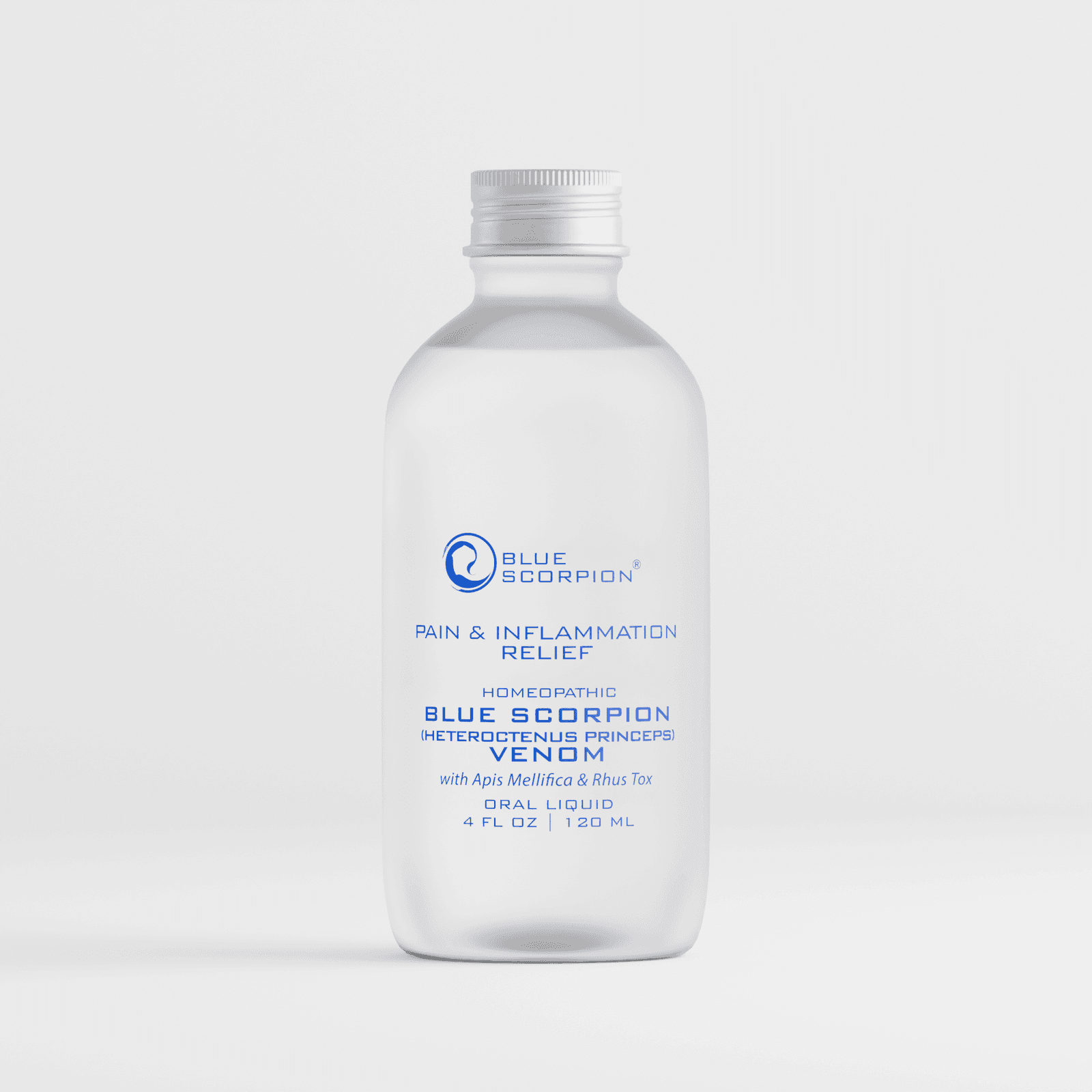
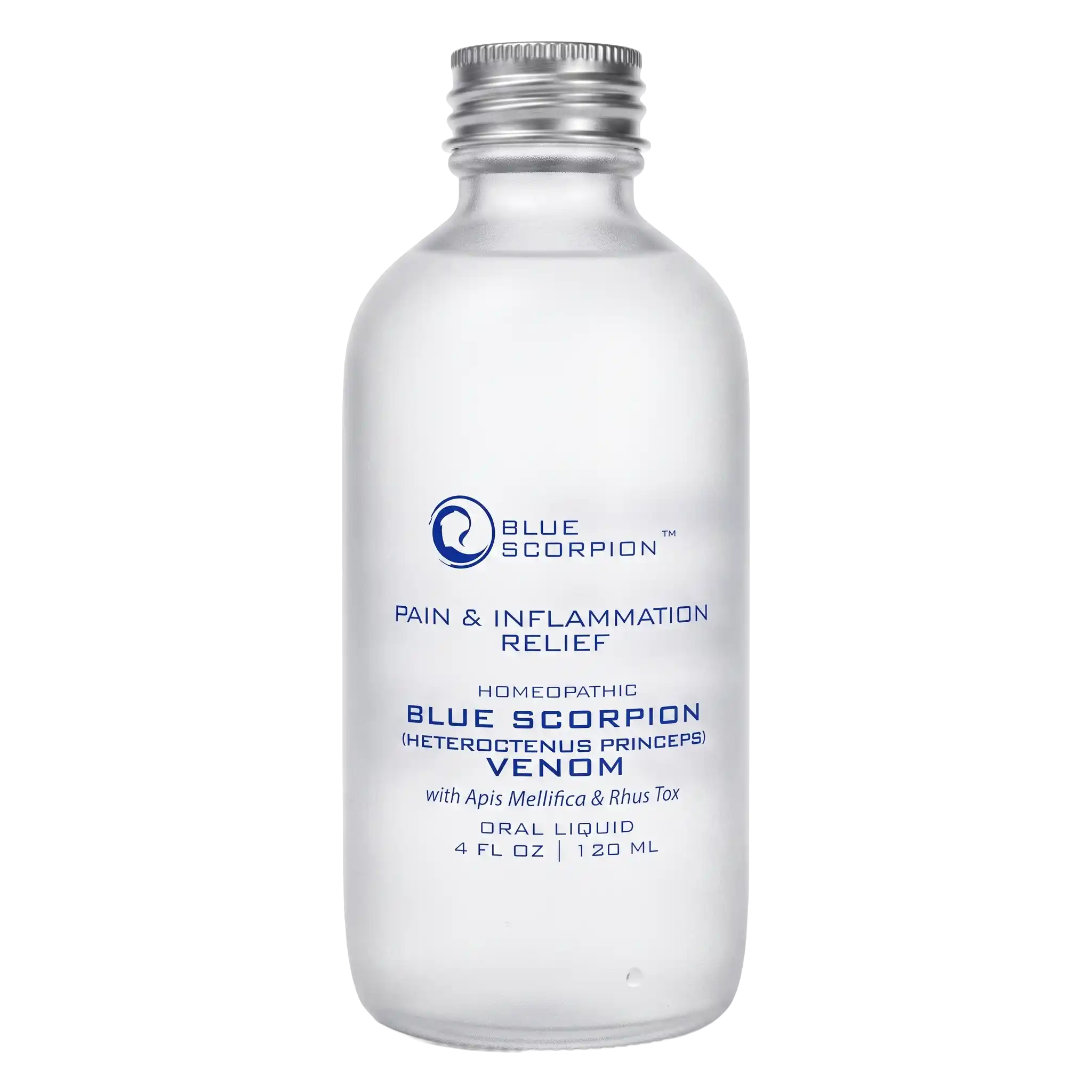
Fish oil and BCAAs have their place, but supplements sit on top of the basics, never in place of them. If you want a homeopathic option in your recovery routine, Blue Scorpion is FDA NDC-listed and alcohol-free, formulated with Heteroctenus Princeps, Apis Mellifica, and Rhus Toxicodendron and traditionally used for temporary relief of minor muscle soreness and joint discomfort.*
It slots in alongside hydration, food, and sleep rather than replacing any of them. See this muscle soreness recovery guide and homeopathic pain relief guide for more on how each ingredient is traditionally used.
*These statements are based only on traditional homeopathic theory from the 1700s, not accepted by most modern medical experts. There is no scientific evidence that this product works.
Frequently Asked Questions
How Long Does Inflammation and Soreness Last After a Hard Workout?
Most soreness begins 24 to 72 hours after training, peaks around day two or three, and clears within one to three days. New or heavy eccentric work stretches that timeline slightly. Soreness past five days deserves attention.
Can Intense Exercise Cause Temporary Inflammation and Water Weight Gain?
Yes. Muscle damage draws fluid into the tissue, and glycogen stored after a big meal holds water with it. The scale can jump a pound or two for a day or two, then settle as swelling resolves.
What Are the Signs of Exercise-Induced Inflammation Versus Normal Muscle Soreness?
Normal soreness is dull, spread across the muscle, and improves as you warm up. Problem inflammation tends to stay in one spot, swells visibly, feels warm, and gets worse with movement instead of better.
What Helps Reduce Muscle Inflammation After High-Intensity Training?
Fluids with electrolytes, 20 to 30 grams of protein with carbohydrates, omega-3-rich foods, easy movement, and full sleep do most of the work. Foam rolling, compression, and a cold compress on a sore joint help with symptoms.
Should I Rest or Exercise Lightly When My Muscles Feel Inflamed After Training?
Light movement usually beats total stillness for general soreness, since blood flow clears waste and eases stiffness. Walking, easy cycling, or gentle yoga fit. If a specific spot is sharp or swollen, rest it.
When Should Post-Workout Swelling or Pain Be Checked by a Healthcare Professional?
Get it checked for sharp pain during exercise, one-sided swelling that keeps growing, soreness lasting more than five days, dark urine, or loss of strength in a limb. Those patterns are not delayed onset muscle soreness.
Train Hard, Recover Clean
Recovery is not one product or one trick. It is fluids and food in the first hour, omega-3s and color on your plate, sensible use of heat and cold, and sleep you actually protect. Handle those and post-workout inflammation does what it is supposed to do, then gets out of your way.
If a homeopathic option fits your routine, Blue Scorpion's FDA NDC-listed, alcohol-free formula is traditionally used for temporary relief of minor muscle soreness and joint discomfort after heavy sessions.*
*These statements are based only on traditional homeopathic theory from the 1700s, not accepted by most modern medical experts. There is no scientific evidence that this product works.
Bundle and Save on the formula.
This product is not intended to diagnose, treat, cure, or prevent any disease. Not evaluated by the FDA.