

That deep, heavy ache that sets in the day after a hard training session is one of the most familiar feelings in any athlete's life. Knowing what actually drives that soreness, and what your body genuinely needs to clear it, is what separates smart recovery from just waiting it out.
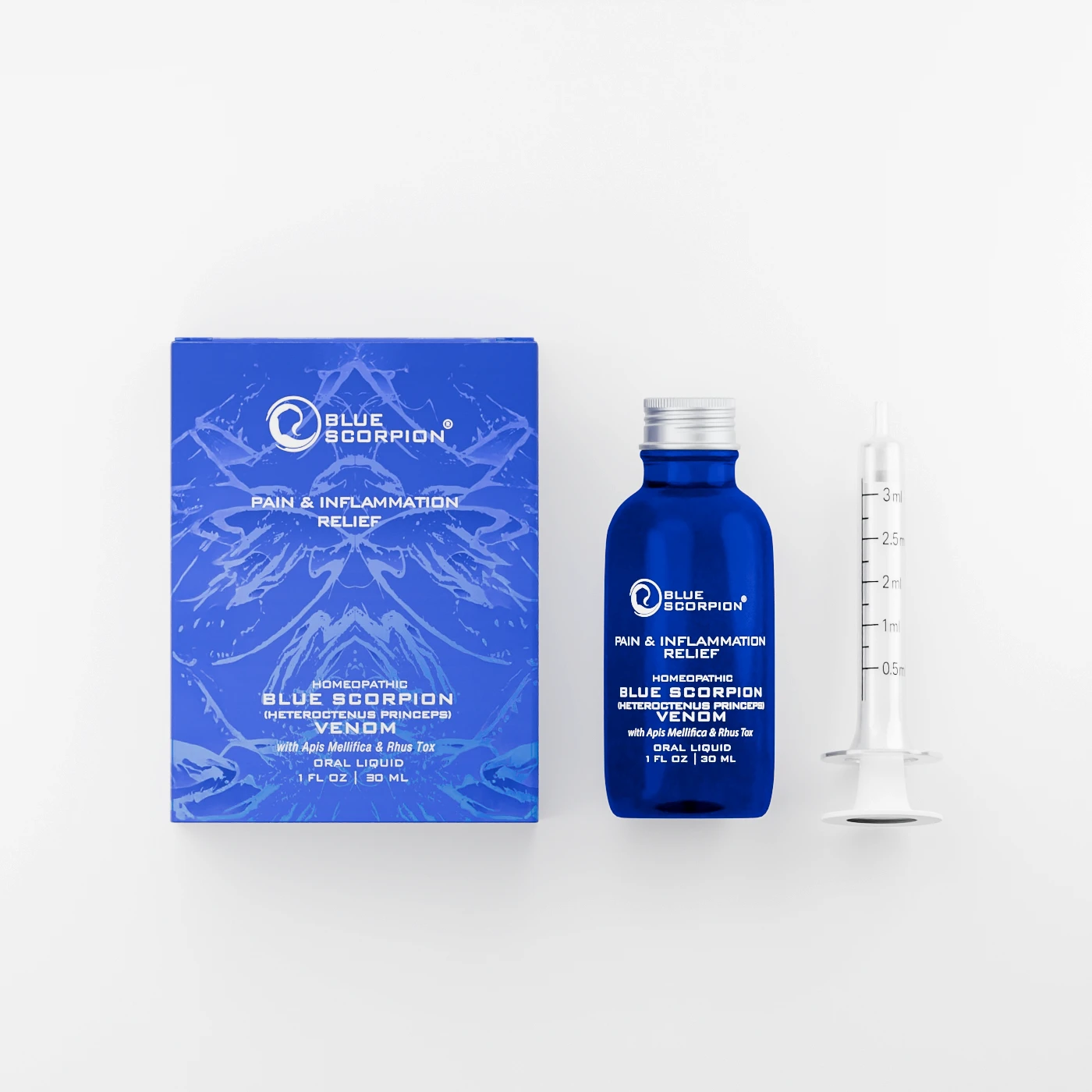
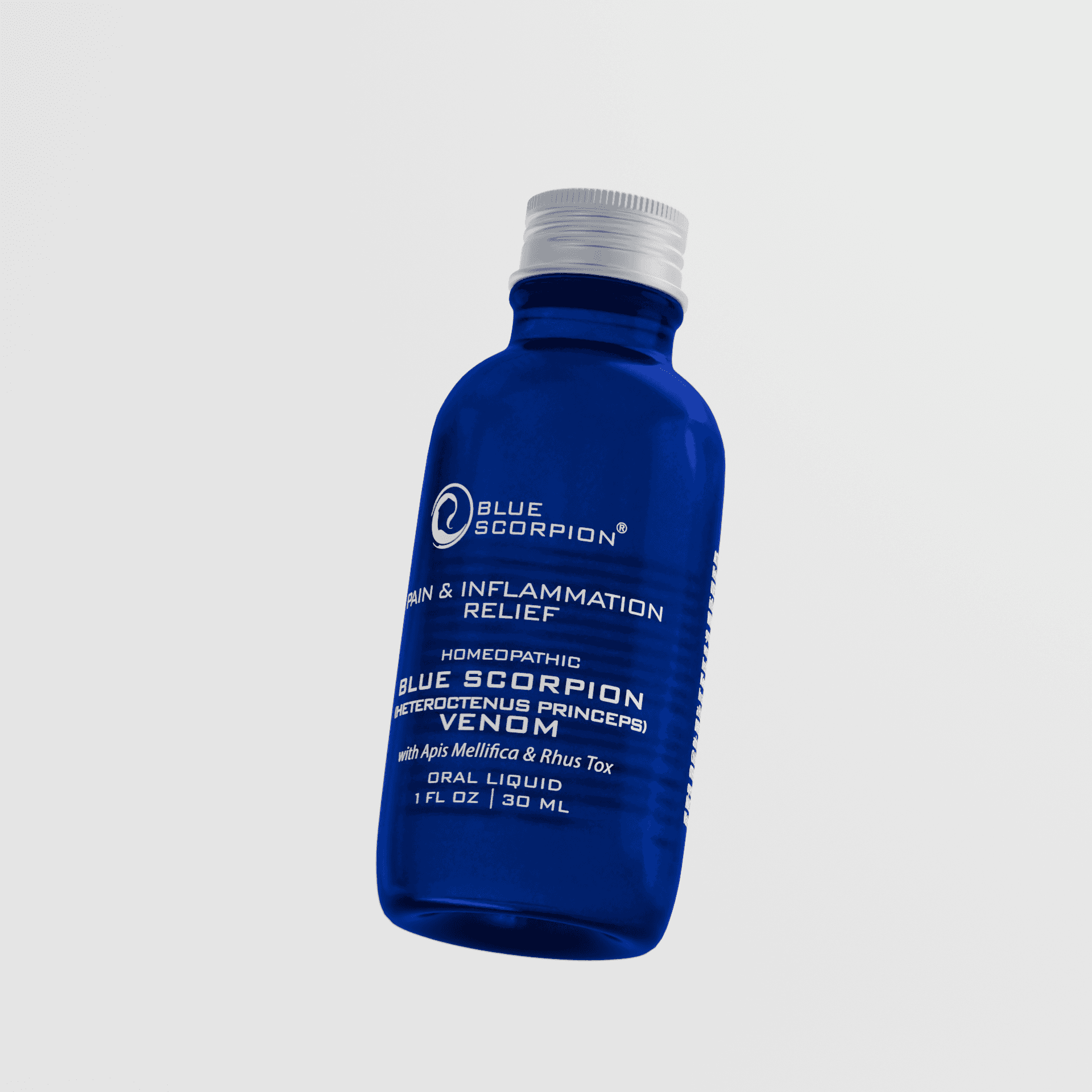
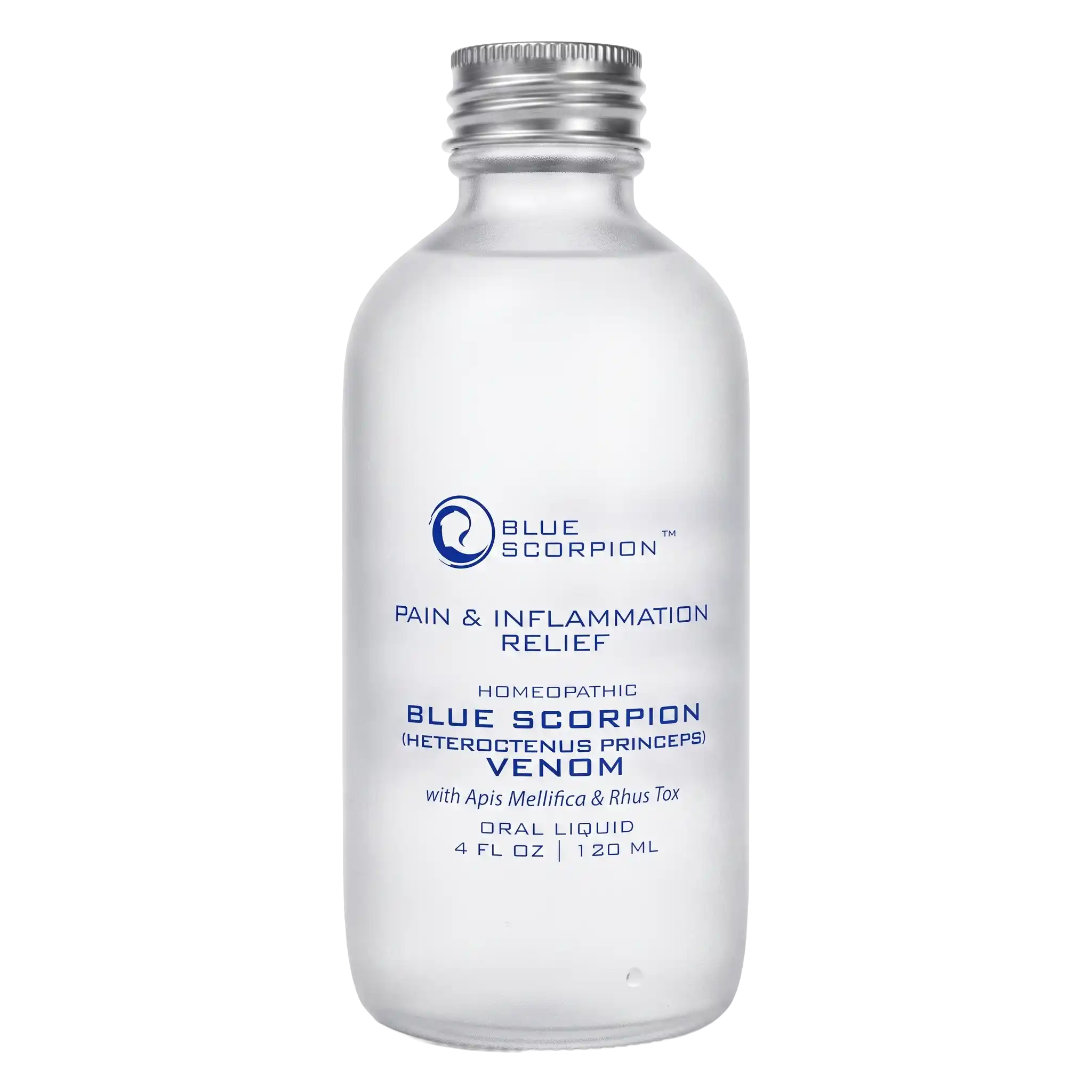
For athletes and serious fitness enthusiasts searching for clean recovery support, options like Blue Scorpion Pain and Inflammation Relief offer a non-opioid, alcohol-free approach worth knowing about. It is an FDA NDC-listed homeopathic formula, which means it meets a specific regulatory standard rather than sitting in a gray zone of unverified supplements.
Keep reading to learn what causes post-workout soreness, which muscle soreness recovery habits make the biggest difference, and how natural and homeopathic approaches fit into a complete plan.
Why Soreness Happens After Hard Training
Your muscles do not just get tired during a tough session. They sustain microscopic damage that your body then has to repair, and that repair process is exactly what makes you stronger over time.
Delayed Onset Muscle Soreness vs Warning-Sign Pain
Delayed onset muscle soreness, commonly called DOMS, peaks between 24 and 72 hours after exercise and is caused primarily by eccentric muscle contractions. These are the lengthening-under-load movements: the descent in a squat, the lowering phase of a curl, the landing of every running stride.
Those movements create small tears in muscle fibers, which trigger a local inflammatory response as white blood cells rush in to begin repair. The resulting stiffness, tenderness, and pressure are signs that the body is doing its job. Most DOMS resolves within three to five days without any intervention beyond basic recovery care.
Not all post-workout pain works the same way, though. Sharp pain that appears during exercise, pain that localizes to a specific point, or pain that worsens with movement rather than improves; these are warning signs that warrant medical evaluation rather than self-treatment.
How Inflammation Fits Into the Recovery Process
Inflammation is not the enemy of recovery. In the short term, it is a necessary part of it. The swelling, heat, and fluid buildup that follow intense exercise are your immune system signaling repair crews to the damaged tissue.
The problem arises when inflammation is excessive, prolonged, or compounded by poor recovery habits such as inadequate sleep, poor nutrition, or training too soon. In that case, what should be a three-day process can stretch into a week of reduced performance and persistent discomfort.
Supporting your body's natural response to inflammation, rather than bluntly suppressing it, is what most modern recovery science now recommends. That framing shapes everything discussed in the sections ahead.
The Recovery Basics That Matter Most
Supplements, tools, and formulas all layer on top of a foundation. If the foundation is weak, nothing stacked on top of it makes much difference.
Sleep, Hydration, and Glycogen Refill
Sleep is the single most powerful recovery tool available, and it costs nothing. During deep sleep, your body releases growth hormone, which drives muscle protein synthesis and tissue repair. Cutting sleep short or getting poor-quality sleep significantly slows the clearance of inflammatory byproducts from muscle tissue.
Hydration plays a structural role in recovery, not just a comfort role. Muscles are roughly 75 percent water. Dehydration reduces the efficiency of nutrient delivery to damaged fibers and slows the removal of metabolic waste. Aiming for consistent fluid intake throughout the day, not just around training, makes a measurable difference.
Glycogen, the stored carbohydrate your muscles use for fuel, gets depleted during hard training. Restoring it within the first two hours after exercise supports faster readiness for the next session and reduces the depth of soreness you carry into the following day.
Light Movement and Circulation Support
Complete rest feels intuitive after a hard session, but it actually extends recovery time rather than shortening it. Your lymphatic system, which removes inflammatory waste from tissues, has no pump of its own. It relies on muscle contractions to move fluid through the body.
Twenty minutes of light activity the morning after a hard workout, such as walking, easy cycling, or gentle mobility work, increases blood flow, activates the lymphatic system, and reduces stiffness from staying still. This is often called active recovery, and the evidence behind it is consistent.
The distinction is intensity. Active recovery should feel easy. If you are breathing hard or recruiting the same muscle groups you trained yesterday, it is not recovery; it is more stress.
Nutrition Strategies for Better Rebound
What you eat before, during, and after training shapes how quickly your body clears damage and rebuilds tissue. Timing matters nearly as much as what you consume.
Protein, Carbohydrates, and Timing
Muscle repair requires amino acids, which come from dietary protein. Research consistently supports consuming 20 to 40 grams of protein within two hours of finishing a training session to provide the raw materials for muscle fiber repair. Sources like eggs, Greek yogurt, cottage cheese, chicken, and legumes all serve this purpose effectively.
Carbohydrates restore muscle glycogen and also reduce cortisol, the stress hormone that rises after intense exercise. Combining protein and carbohydrates in a post-workout meal or snack produces better recovery outcomes than protein alone.
Waiting too long to eat after training, or skipping a post-workout meal entirely, leaves your muscles in a catabolic state longer than necessary. Even a modest recovery snack within the first 30 minutes can begin shifting the physiological balance toward repair.
Foods and Habits That Support Whole-Body Recovery
Beyond post-workout timing, a daily dietary pattern rich in anti-inflammatory foods provides your body with consistent raw material to work with throughout a full training week.
Fatty fish (salmon, sardines, mackerel): rich in omega-3 fatty acids that support the body's natural response to inflammation
Tart cherry juice: associated with reduced post-exercise soreness in several small studies
Leafy greens and cruciferous vegetables: provide antioxidants that help neutralize exercise-induced oxidative stress
Turmeric and ginger: contain compounds studied for their anti-inflammatory properties
Whole grains: steady glycogen replenishment without the spike and crash of refined carbohydrates
Water and electrolytes: sodium, potassium, and magnesium all support muscle contraction and fluid balance
Habits like limiting alcohol intake, managing chronic stress, and avoiding excessive ultra-processed foods also reduce the systemic inflammation load your body carries into each training session.
Where Topicals, Compression, and Manual Work Fit
Surface-level recovery tools have a real role in a post-workout routine, but they work on different mechanisms than nutrition or sleep.
When Surface-Level Relief Makes Sense
Topical applications, compression garments, and manual techniques like foam rolling or massage are most useful for temporary comfort and localized circulation support. They are not rebuilding tissue the way sleep and nutrition are, but they can reduce the subjective experience of soreness and support mobility between sessions.
Compression garments, particularly socks and tights, have consistent evidence for reducing swelling and perceived soreness in the hours after training. They work by applying graduated pressure that assists venous return and limits fluid accumulation in fatigued tissue.
Foam rolling and massage therapy address myofascial tension rather than the underlying muscle damage. They help restore range of motion and reduce tightness, making movement more comfortable during the active recovery phase.
What These Tools Can and Cannot Do
The important limitation of surface-level tools is that they address the symptom layer of soreness rather than its biological source. A sore quadriceps does not feel sore because of surface tension. It feels sore because of microscopic damage and internal inflammation.
This means topicals and compression are valuable as comfort support and circulation aids, but they should not replace sleep, hydration, protein intake, or active recovery. Athletes who rely primarily on surface tools while neglecting nutrition and sleep tend to notice the gap within a few training cycles.
Multi-symptom inflammation: Systemic support is worth considering in situations where soreness is widespread, persistent, or compounding week over week. That is where internal approaches, including homeopathic formulas designed to support.
How Homeopathic Options Compare in a Recovery Routine
Homeopathic formulas occupy a specific and often misunderstood space in the recovery supplement landscape. Understanding what they actually do helps you decide whether they belong in your routine.
What Systemic Support Means in Plain English
A topical targets one location. A systemic formula is taken orally and is intended to support the body's response across multiple symptom sites at once. For athletes who carry soreness in multiple muscle groups after a training block, that distinction matters.
Homeopathic medicines are formulated using highly diluted active substances that work with the body's own regulatory responses.* They are not the same as herbal supplements, sports nutrition products, or pharmaceuticals. They operate under a separate set of FDA regulatory standards, and those that carry FDA National Drug Codes have met a formal listing requirement.
The evidence base for homeopathic remedies varies by ingredient and preparation, but certain ingredients have a long record of traditional use in athletic recovery contexts. Rhus Toxicodendron, derived from poison ivy, has been used traditionally for joint discomfort, muscle stiffness, and soreness. Apis Mellifica, derived from honeybee, has traditional use for swelling and physical discomfort. These are active ingredients in established homeopathic preparations, not untested novelties.
What to Look for in a Credible Non-Opioid Formula
If you are evaluating a homeopathic recovery formula, a few specific criteria help separate credible options from generic products. Look for FDA NDC listing, which indicates the formula has been formally registered rather than self-certified. Look for named active ingredients with HPUS-recognized status. Look for third-party testing for banned substances if you compete in tested sports.
Building a Smarter Post-Workout Plan
Recovery does not need to be complicated to be effective. It needs to be matched to what you are actually asking of your body.
Matching Recovery Tools to Training Load
Light training days do not need the same recovery investment as heavy strength sessions or two-a-day practices. Overcomplicating recovery on easy days wastes time and can actually make you more anxious about soreness than you need to be.
A useful framework is to scale recovery tools to training load. After a moderate session, active recovery, solid nutrition, and consistent hydration cover most of what the body needs. After high-volume or high-intensity blocks, prioritizing sleep, targeted nutrition timing, and systemic support becomes more justified.
The mistake most athletes make is applying the same recovery routine to every session regardless of load. This either leaves them under-recovered on hard weeks or over-managing easy weeks when rest and a good meal would be enough.
Frequently Asked Questions
Why Do My Muscles Feel Stiff and Tender 24 to 48 Hours After a Workout?
This is DOMS (delayed-onset muscle soreness), caused by microscopic tears in muscle fibers from eccentric movements. Your immune system responds to those micro-tears with inflammation, which causes the stiffness and pressure you feel. The delay happens because the inflammatory response takes 12 to 24 hours to peak.
What Can I Do Right Now to Reduce Soreness Without Over-Numbing Pain Signals?
Light movement, such as a 20-minute walk or easy cycling, increases blood flow and stimulates lymphatic drainage without blunting the repair process. A protein-rich snack and consistent hydration also accelerate clearance of inflammatory byproducts. Avoid high-intensity training of the same muscle groups until soreness has meaningfully resolved.
Is It Better to Rest Completely or Do Light Movement When I Am Sore?
Light movement consistently outperforms complete rest for DOMS recovery. Your lymphatic system depends on muscle contractions to flush waste products, so staying completely still extends the inflammatory phase. Keep intensity low and duration short, around 20 minutes, to support recovery without adding new muscle stress.
How Can I Tell Normal Post-Workout Soreness From an Injury That Needs Medical Care?
Normal DOMS affects both sides of the body, feels dull and achy, and eases with light movement after the first few minutes. Injury pain tends to be sharp, localized to a specific point, and to worsen with movement rather than improve. If pain appeared suddenly during exercise or does not improve after five to seven days, consult a healthcare provider.
Which Supplements or Ingredients Have Evidence for Helping Soreness and Recovery?
Protein intake supports muscle fiber repair, and omega-3 fatty acids from fish or fish oil have evidence for reducing post-exercise inflammation. Tart cherry juice has been studied for its potential to reduce soreness in small trials. Homeopathic ingredients like Rhus Toxicodendron and Apis Mellifica have traditional use records for joint and muscle discomfort relief.*
How Much Sleep, Protein, and Hydration Do I Need to Recover From Hard Training?
Most adults training at high intensity benefit from seven to nine hours of sleep per night, with deeper, consistent sleep cycles being more important than raw hours. Aim for 20 to 40 grams of protein within two hours of finishing a session, and maintain consistent fluid intake throughout the day, not just around workouts. Electrolytes, particularly sodium, potassium, and magnesium, support muscle function and fluid balance alongside plain water.
Making Recovery a Consistent Part of Your Training
Don't let muscle soreness dictate your training schedule. By supporting your body's natural repair processes with a clean, systemic approach, you can stay consistent session after session.
Blue Scorpion Pain and Inflammation Relief: Ready to level up your recovery routine? Try today a homeopathic option used for the temporary relief of pain and inflammation.*
*These statements and claims are based on traditional homeopathic practice, not accepted medical evidence, and are not FDA evaluated. This product is intended for the temporary relief of pain, inflammation, and symptoms. Individual results may vary.