
Joint stiffness that greets you before your feet hit the floor, body aches that linger past the point where you expected them to fade, post-activity soreness that stacks up faster than your body can clear it. These are the daily textures of inflammation, and they are familiar to far more adults than the clinical descriptions suggest.
Finding natural inflammation relief that holds up day after day takes a layered approach, one that addresses how you move, what you eat, how you rest, and whether the formula you reach for is actually grounded in something credible.
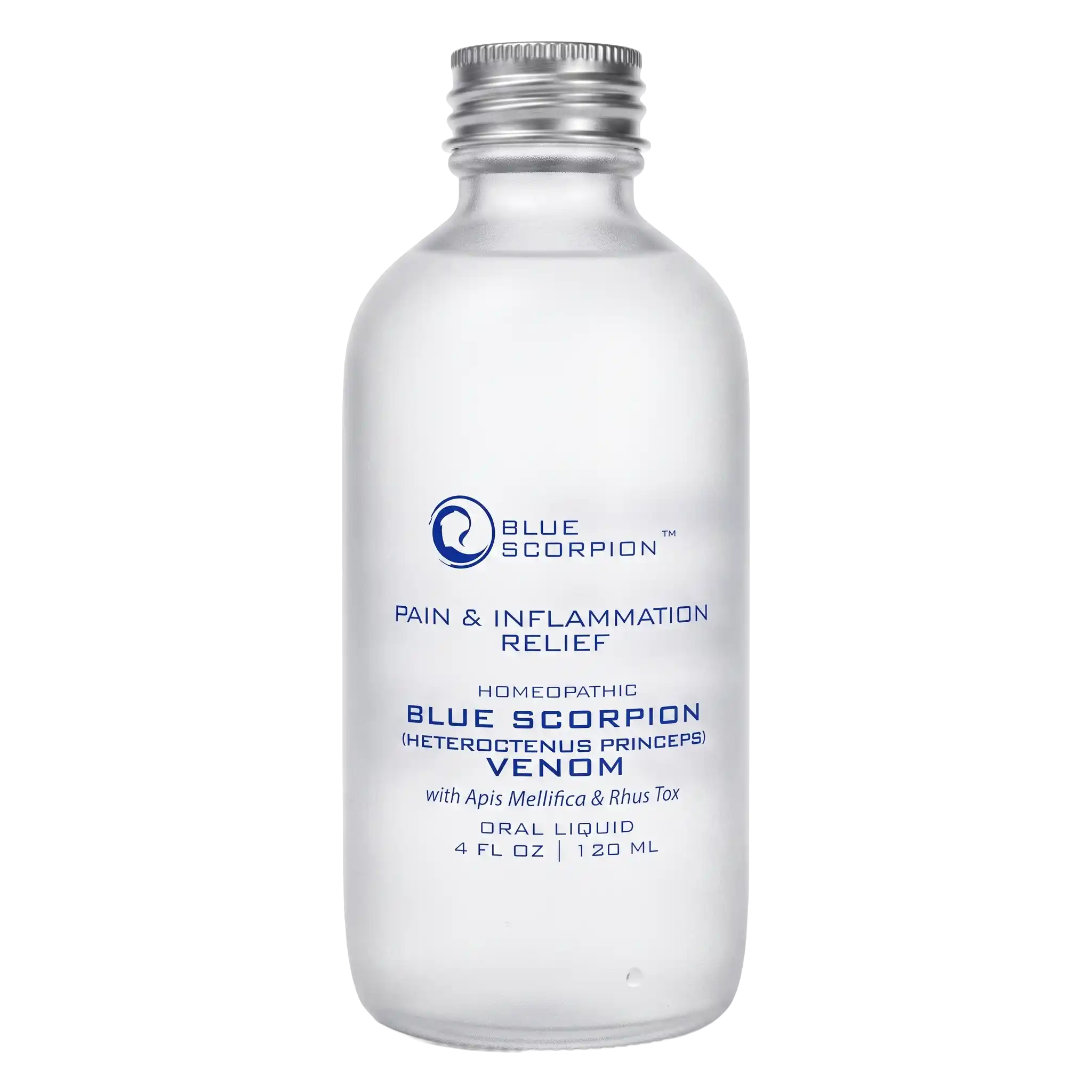
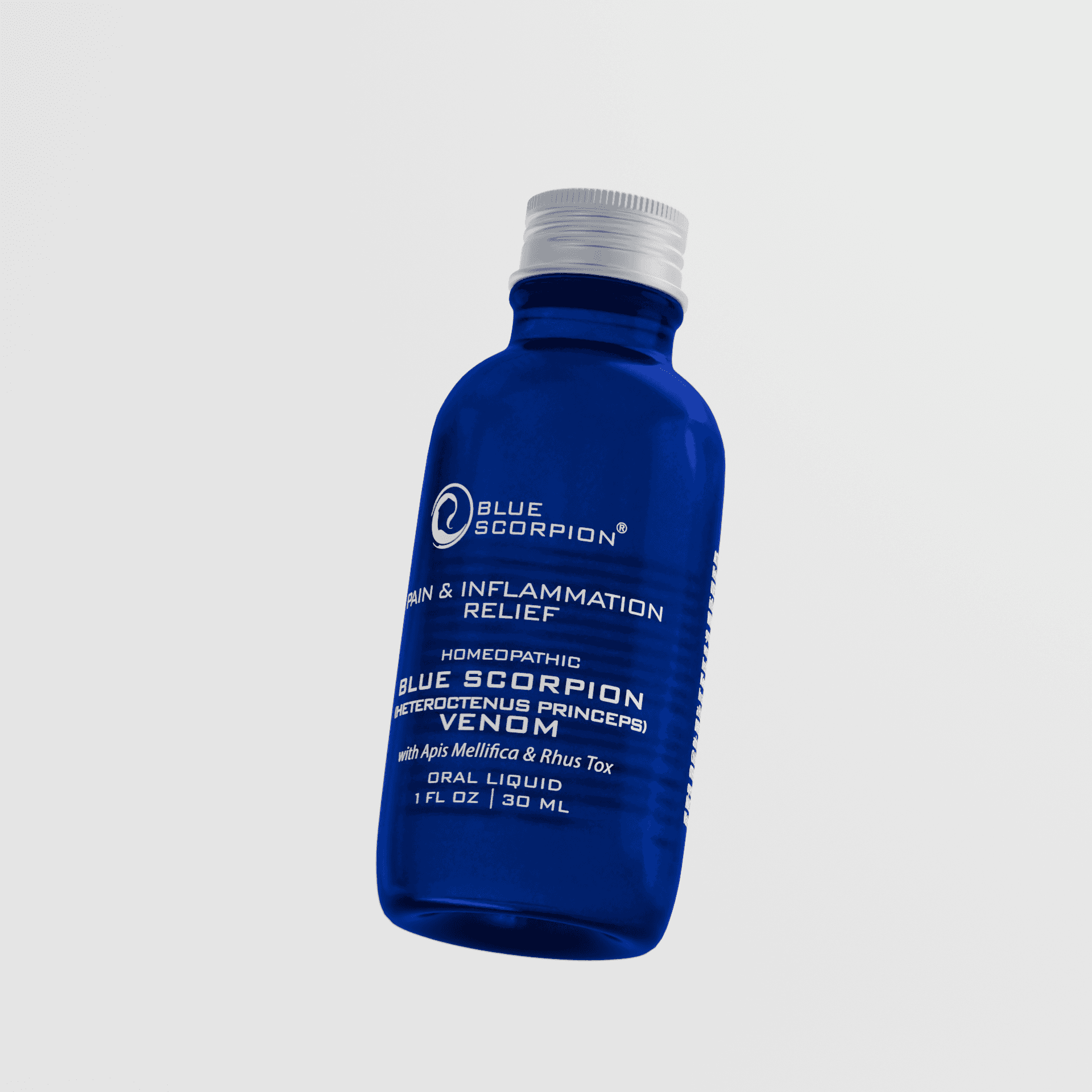
Blue Scorpion Pain and Inflammation Relief is one example of that kind of grounding: a homeopathic OTC formula with FDA National Drug Codes, built around Heteroctenus Princeps venom alongside Apis Mellifica and Rhus Toxicodendron, non-opioid and alcohol-free.
Keep reading to learn what each layer of a natural approach actually looks like in practice, which daily habits move the needle, and where homeopathic formulas fit within that broader picture.
What Everyday Inflammation Can Feel Like
Inflammation is not always dramatic. For most people, it shows up quietly and accumulates.
Joint Stiffness, Body Aches, and Post-Activity Soreness
Morning stiffness in the knees and hips, a dull ache across the shoulders after a full day, soreness that stays past 48 hours after a workout. These are textbook signs of the body's inflammatory response still running when you would prefer it to have cleared.
Acute inflammation is a necessary healing signal. Your immune system uses it to respond to physical stress, small injuries, and overuse. The trouble starts when the response does not fully reset between cycles. Over time, that low-grade background inflammation begins to affect range of motion, sleep quality, and basic daily comfort.
Post-activity soreness is especially common in people who train hard or spend long hours in fixed postures. The muscular micro-damage from exercise triggers an inflammatory cascade that normally peaks within 24 to 72 hours. When nutrition, hydration, and rest are not supporting that process, recovery slows noticeably.
When Short-Term Flare-Ups Start Affecting Daily Life
A one-off flare is manageable. Repeated ones that layer on top of each other without full recovery become a different problem entirely.
When joint discomfort starts influencing whether you take the stairs, or soreness from Monday's training is still present by Thursday, the pattern has shifted from acute to persistent. At that point, most people start weighing their options, often for the first time looking seriously at non-pharmaceutical alternatives.
The physical signals worth paying attention to include warmth or puffiness around a joint, stiffness that eases only after 20 to 30 minutes of movement, and soreness that feels disproportionate to the level of activity. These are not diagnostic criteria, but they are practical indicators that your body is carrying an inflammatory load it is not fully resolving.
What that load responds to, and how quickly, depends almost entirely on the inputs you give it every day.
Why a Whole-Body Approach Matters
Managing inflammation effectively means looking at all of the variables at once, not fixing one while ignoring the others.
Inflammation Is Influenced by Multiple Daily Inputs
Sleep deprivation, poor dietary choices, chronic stress, and inadequate hydration all contribute independently to elevated inflammatory markers. When they stack together, their combined effect is considerably larger than any one factor alone.
Research consistently links high-sugar, processed-food diets with increased levels of C-reactive protein, a standard inflammatory marker. Stress hormones like cortisol also amplify the body's inflammatory signaling when they remain chronically elevated. Even alcohol consumption, when regular and heavy, adds to the systemic burden.
This is why a person who exercises regularly but sleeps poorly and eats inconsistently often still struggles with persistent inflammation. No single good habit cancels out the others. The approach that tends to work is one that addresses several inputs at once, consistently over time.
What Realistic Relief Looks Like Over Time
Realistic natural inflammation relief does not feel like a switch being flipped. It feels more like a gradual lowering of the baseline, where you wake up with less stiffness, recover faster after activity, and notice fewer days where the ache is the loudest thing in the room.
That kind of progress usually takes weeks of consistent input changes, not days. It is important to calibrate expectations honestly: dietary and lifestyle interventions reduce the inflammatory load over time; they do not eliminate acute flare-ups instantly.
The practical goal is to reduce the frequency and intensity of flare-ups while supporting the body's natural ability to recover. That framing helps you stay consistent even when the results feel slow.
Food and Hydration Habits That Support Balance
What you eat and drink interacts directly with your body's inflammatory pathways every single day.
Dietary Patterns That May Help Calm Everyday Irritation
Anti-inflammatory eating patterns share several consistent features across research: they emphasize whole foods, omega-3 fatty acids, antioxidant-rich vegetables, and fiber, while minimizing refined sugars and processed fats.
Foods with a strong research base for supporting the body's inflammatory response include:
● Fatty fish such as salmon and mackerel, rich in omega-3 fatty acids
● Leafy greens such as spinach, kale, and Swiss chard, high in antioxidants
● Berries including blueberries and strawberries, which contain flavonoids
● Walnuts and almonds, which provide both omega-3s and vitamin E
● Turmeric, whose active compound curcumin has been studied for its effect on inflammatory markers
● Olive oil, a staple of the Mediterranean diet with documented anti-inflammatory properties
● Whole grains like oatmeal and quinoa, which support immune balance through fiber
Spices deserve special mention. Ginger contains gingerol and shogaol, compounds that block specific inflammation pathways. Cinnamon and garlic contribute their own anti-inflammatory compounds through regular dietary use.
The Mediterranean diet, which organizes many of these foods into a coherent eating pattern, has shown reductions in C-reactive protein of up to 30% in some research.
Hydration, Alcohol Intake, and Recovery Load
Dehydration reduces the body's ability to flush metabolic waste products and slows tissue recovery after activity. Most adults underestimate how much their water intake fluctuates daily.
Alcohol, even in moderate amounts, can increase intestinal permeability and raise levels of pro-inflammatory signaling molecules. For people already managing joint discomfort or muscle soreness, regular alcohol use adds a variable that works against recovery rather than supporting it.
A practical starting point: prioritize water-dense foods and steady hydration across the day, especially around training or activity windows.
Movement, Rest, and Recovery Strategies
Movement and rest are not opposites when it comes to inflammation. The relationship is more specific than that.
Gentle Activity Versus Too Much Rest
Complete rest after a flare-up sounds logical, but prolonged inactivity often increases stiffness and slows the fluid movement that joints depend on for lubrication and waste clearance.
Low-impact movement, like walking, swimming, or gentle stretching, supports circulation and encourages the lymphatic system to move inflammatory byproducts out of tissues. This is especially relevant for joint inflammation, where gentle range-of-motion work maintains mobility without adding mechanical stress.
The key distinction is between loading a joint under strain versus moving it through supported, natural ranges. The former can worsen acute inflammation; the latter usually reduces it. Most people find that 15 to 30 minutes of gentle daily movement keeps stiffness lower than either extreme.
Sleep, Stress, and Post-Exercise Recovery
Sleep is when the body performs most of its anti-inflammatory repair work. Research links short or poor-quality sleep directly to higher inflammatory markers, including interleukin-6 and TNF.
Chronic stress produces a similar elevation. Cortisol in sustained amounts does not calm inflammation; over time, it desensitizes the immune system's regulatory brakes. Mind-body practices such as yoga, breathing exercises, and meditation have shown measurable reductions in key inflammatory biomarkers across multiple studies.
Post-exercise recovery deserves specific attention for active individuals. The inflammatory window after hard training is normal and necessary, but it should be supported rather than ignored. Adequate protein intake, quality sleep, and hydration are the three inputs with the clearest evidence for recovery.
Where Homeopathic Formulas Fit In
Homeopathic options occupy a specific, credible niche within natural inflammation support, and they are used very differently from dietary supplements or lifestyle habits.
How Homeopathic Options Are Used Alongside Lifestyle Changes
Homeopathic OTC medicines are typically used as part of a broader wellness routine, not as a replacement for it. They are non-pharmaceutical, and when listed with the FDA, they are produced to defined regulatory standards.
Because homeopathic formulas are not known to interact with other supplements or medications when used as directed, they integrate cleanly into most existing routines. For someone already adjusting their diet, improving sleep, and managing activity levels, a homeopathic formula adds a systemic layer of support without disrupting the other variables.
The selection of a homeopathic formula is typically driven by the symptom profile. Joint stiffness, nerve discomfort, muscle soreness, and post-activity inflammation each have historically relevant homeopathic ingredients associated with them.
A Credentialed Example: Blue Scorpion and Its Active Ingredients
Blue Scorpion Pain and Inflammation Relief is the only blue scorpion venom-based homeopathic medicine listed with FDA National Drug Codes. It combines three active ingredients chosen for distinct aspects of the inflammatory and pain experience.
Heteroctenus Princeps venom, sourced from the Caribbean Blue Scorpion in the Dominican Republic, is peptide-rich in its raw form and processed through a patented polarization method. Scorpion venom peptides have been studied in scientific literature, and in this formula the venom is prepared in highly diluted homeopathic form.
Apis Mellifica, derived from the honeybee, is traditionally used to relieve swelling, redness, and discomfort.* Rhus Toxicodendron, derived from poison ivy, is associated with temporary relief of joint stiffness, muscle discomfort, and skin irritation.*
Together, these three ingredients form a systemic homeopathic formula aimed at temporarily relieving pain and inflammation* across multiple body systems. The non-opioid, alcohol-free formulation is TruShield certified and tested for 400+ banned substances in ISO 17025-accredited labs.
*These statements are based on traditional homeopathic practice, not accepted medical evidence, and are not FDA evaluated. This product is intended for the temporary relief of pain, inflammation, and symptoms. Individual results may vary.
Choosing a Sustainable Next Step
Long-term relief does not come from the one thing you try this week. It comes from building a routine that holds.
How to Evaluate Natural Options Without Overpromising
Any natural approach worth considering should be specific, not vague. Look for formulas that name their active ingredients precisely, disclose their regulatory status, and do not claim to cure or treat disease. Credibility lives in the details.
When comparing options, run them through this checklist:
● Ingredient transparency: Are full ingredient names listed, along with potency or form?
● Regulatory status: Does it carry an FDA NDC listing, and is it made in a cGMP facility?
● Safety testing: Has it been third-party tested for banned substances?
● Drug interaction profile: Is it noted as non-interactive, or has interaction been reviewed with a provider?
● Formulation type: Is it systemic or topical, oral or patch?
● Non-opioid status: Is this clearly stated, and is it alcohol-free where relevant?
Evaluating options against these criteria quickly separates products that lead with claims from those that lead with verifiable facts.
When to Consider a Non-Opioid Systemic Formula
If you have already improved your diet, tightened your sleep routine, and reduced your training load without seeing the relief you were hoping for, a systemic homeopathic formula becomes a reasonable next consideration.
A systemic option targets inflammation across multiple body systems simultaneously rather than addressing one localized area. For people managing joint stiffness, nerve discomfort, and general body aches at the same time, that multi-symptom approach addresses the full pattern rather than a single symptom in isolation.
If daily inflammation is slowing you down, one bottle covers more than you might expect. Try It Now and see what systemic support feels like.*
*These statements have not been evaluated by the Food and Drug Administration. This product is not intended to diagnose, treat, cure, or prevent any disease.
Frequently Asked Questions
What Are the Fastest Evidence-Based Ways to Calm Whole-Body Inflammation When Joints Feel Hot, Stiff, and Sore?
Combining cold or contrast therapy with gentle movement is a practical immediate step for stiff, warm joints. Longer-term, consistent omega-3 intake and improved sleep have the strongest research base for reducing systemic inflammatory markers.
Which Foods Tend to Lower Inflammatory Markers, and Which Common Foods Most Often Make Swelling and Pain Worse?
Fatty fish, leafy greens, berries, walnuts, and olive oil are consistently associated with lower C-reactive protein levels in research. Refined sugars, trans fats, processed meats, and alcohol are the most commonly studied contributors to elevated inflammatory activity.
What Drinks Can Help Reduce Inflammatory Stress, Especially When You Feel Puffy, Achy, or Run Down?
Water is the most important factor, since dehydration impairs the body's ability to clear metabolic waste from tissues. Green tea contains EGCG, an antioxidant compound studied for its role in reducing oxidative damage linked to inflammation.
Which Supplements Have the Strongest Human Evidence for Lowering Inflammation, and What Are the Main Safety Concerns?
Omega-3 fatty acids, curcumin, and vitamin D have the largest human research base for reducing inflammatory markers. Safety considerations include dose-dependent effects and potential interactions with blood-thinning medications, so consulting a healthcare provider before starting any supplement regimen is advisable.
How Can You Ease Gut Inflammation Quickly When Bloating, Cramps, or Irregular Stools Flare Up?
Removing high-sugar, processed foods and increasing fiber from whole vegetables and grains is the most consistent short-term dietary strategy. Staying hydrated and reducing alcohol intake also reduces intestinal permeability, which is a documented driver of gut-related inflammatory signals.
What Non-Opioid, Alcohol-Free Topical Options Can Help With Localized Inflammatory Pain, and How Do They Work?*
Topical homeopathic options are applied directly to the site of discomfort and are absorbed through the skin to provide localized temporary relief of pain and inflammation.* Systemic oral formulas like Blue Scorpion address multiple symptoms at once and are taken sublingually for broader support.* Both categories are non-opioid and alcohol-free when properly formulated.
*These statements have not been evaluated by the Food and Drug Administration. This product is not intended to diagnose, treat, cure, or prevent any disease.
Take the Next Step Toward Lasting Relief
True natural inflammation relief is built on consistency. By combining better sleep, anti-inflammatory nutrition, and gentle movement, you create a foundation that allows your body to recover more effectively from daily stressors.
When lifestyle changes aren't enough, Blue Scorpion Pain and Inflammation Relief offers the systemic support you need. It is a non-opioid, alcohol-free formula designed to help you maintain your momentum without long-term reliance on heavier medications*. Shop Blue Scorpion now and start lowering your inflammatory baseline today.
Homeopathic claim disclosure: These statements are based on traditional homeopathic practice, which is not accepted by most modern medical experts, and have not been evaluated by the Food and Drug Administration. There is no scientific evidence that this product works. This product is intended for the temporary relief of symptoms. Individual results may vary.