
The ache starts before you get out of bed. Your lower back tightens, your knee resists the first few steps, and by mid-morning the soreness has settled into a dull, steady hum. You want the pain to ease, but you do not want the grogginess, the constipation, or the worry that comes with opioid painkillers.
That worry is reasonable. Opioid dependence and overdose risk have pushed both patients and clinicians toward non-opioid pain management, and there is a genuinely wide range of medications, procedures, and daily habits that can help without that trade-off. For an independent clinical overview of what the evidence supports, see the CDC's non-opioid therapies for pain reference.
Pain relief without opioids works best as a layered plan, not a single pill. In this guide, you'll discover how to match relief to your type of pain, which non-opioid medicines and topicals exist, how movement and mind-body skills change your daily function, and when procedures make sense.
Match the Treatment to the Type of Pain
The right non-opioid approach depends less on how bad the pain feels and more on what is causing it. A sprained ankle, an arthritic hip, and a burning nerve all respond to different tools.
Sorting your pain into a category early saves you months of trial and error. It also gives you better language when you talk with a clinician about alternatives to opioid painkillers.
Short-Term Pain From Injuries, Dental Care, and Surgery
Acute pain has a clear start and an expected end. Sprains, strains, dental pain, and post-surgical pain usually improve as tissue heals over days to weeks.
For most of these, anti-inflammatory medicine, ice, elevation, and short rest handle the worst days. Research on postoperative pain shows many patients recover just as well without opioids when non-opioid options are used on a schedule.
Persistent Musculoskeletal and Joint Symptoms
Chronic musculoskeletal pain behaves differently. Osteoarthritis, tendonitis, bursitis, chronic low back pain, and neck pain tend to flare, settle, and flare again.
Here the goal shifts from erasing pain to protecting pain and function together. Daily habits, targeted topicals, and steady movement usually matter more than any single dose.
When Nerve Symptoms Need a Different Plan
Neuropathic pain feels different: burning, electric, tingling, or numb. Spinal stenosis, diabetic neuropathy, and complex regional pain syndrome fall into this group.
Anti-inflammatories often disappoint here because inflammation is not the main driver. Nerve pain typically needs medicines that calm signal transmission, which is exactly where the medication conversation begins.
Non-Opioid Medicines and Topicals to Discuss With a Clinician
There is a wide shelf of non-opioid pain medications, and each one fits a specific problem. Knowing what does what helps you ask better questions instead of accepting the first suggestion.
Anti-Inflammatory Options for Injury and Arthritis Pain
Nonsteroidal anti-inflammatory drugs, including ibuprofen, naproxen, and the COX-2 inhibitor celecoxib, reduce inflammation at the source. That makes them useful for sprains, tendonitis, and arthritis pain.
They also carry real risks. Stomach ulcers, kidney strain, and blood pressure changes are more likely with long-term daily use.
Acetaminophen for Pain Without Inflammation
Acetaminophen works on pain perception rather than swelling. It is often chosen for headaches, mild osteoarthritis, or when NSAIDs are off the table.
Dose matters more than most people realize. Liver injury is the main danger, especially when combination products stack unnoticed doses.
Prescription Medicines for Neuropathic Pain
Certain antidepressants and anticonvulsants quiet overactive nerves. Duloxetine, amitriptyline, and nortriptyline are common choices, as are gabapentin and pregabalin.
These take weeks to show benefit and are dosed slowly upward. Drowsiness, dizziness, and weight change are the usual trade-offs to weigh.
Targeted Creams, Gels, and Patches
Topicals deliver relief where you hurt with less exposure to the rest of your body. That appeals to anyone managing knee, hand, or shoulder symptoms.
Common choices include:
Diclofenac gel, a topical NSAID often used for hand and knee osteoarthritis
Lidocaine patches, a local anesthetic option for localized nerve-related pain
Capsaicin cream, which reduces pain signaling over repeated use
Muscle relaxants, used briefly for spasm rather than long-term control
New Prescription Options for Moderate to Severe Acute Pain
Suzetrigine, sold as Journavx, is a newer non-opioid prescription for moderate to severe acute pain. It blocks a sodium channel involved in sending pain signals from the periphery.
It is not intended for chronic use, and cost and access vary. Medicines alone still leave a gap, because pain that limits movement needs movement to improve.
Build Movement, Recovery, and Mind-Body Skills Into Care
Non-drug care is not the soft add-on. For chronic pain, exercise therapy and behavioral tools often outperform medication over months.
Use Physical Therapy and Gradual Exercise to Restore Function
Physical therapy rebuilds strength, mobility, and confidence in the joints you have been guarding. Guidelines list it as a first-line option for chronic low back pain. Our joint pain relief guide covers daily mobility habits in more depth.
Progress comes from consistency, not intensity. Small weekly increases in load and range beat occasional hard sessions.
Apply Heat, Ice, Rest, and Activity Pacing for Acute Injuries
Ice helps the first day or two after an injury, when swelling peaks. Heat loosens stiff muscles and older aches before activity.
Rest has a role, but complete rest backfires quickly. Pacing, alternating activity with short breaks, keeps you moving without triggering a flare. This muscle soreness recovery guide walks through this in more detail.
Use Behavioral Tools to Reduce Pain's Daily Impact
Cognitive behavioral therapy teaches you to interrupt the fear-and-guarding cycle that amplifies pain. Mindfulness meditation and biofeedback work on the same nervous system loop.
None of this suggests the pain is imagined. It reflects how the brain processes signals, and that processing can be trained.
Consider Hands-On and Complementary Therapies
Acupuncture has meaningful evidence for chronic low back pain, knee osteoarthritis, and headaches. Massage, yoga, tai chi, and qigong help with flexibility and stress load.
TENS units and low-level laser therapy give some people short-term relief at home. When these layers are not enough, a pain specialist can offer something more targeted.
When Specialist Procedures May Be Appropriate
Interventional pain management steps in when pain stays focused in one area and blocks daily function. These procedures are precise, and most are outpatient.
Nerve Blocks and Localized Injections
A nerve block places local anesthetic, sometimes with a steroid, near a specific nerve. Studies in postoperative care show large reductions in opioid use afterward.
Relief may last days or months. Blocks are often paired with therapy so you can rehab during the window.
Epidural and Joint Injections for Selected Conditions
Epidural steroid injections target inflamed nerve roots from disc problems or spinal stenosis. Joint injections address a single painful shoulder, hip, or knee.
They are best used sparingly. Repeated steroid exposure can weaken tissue over time.
Radiofrequency Ablation and Spinal Cord Stimulation
Radiofrequency ablation uses heat to interrupt small nerves carrying pain from spinal joints. Benefit often lasts six to twelve months before nerves regenerate.
Spinal cord stimulation delivers mild electrical pulses through implanted leads. A trial period comes first, so you learn whether it helps before committing.
Set Realistic Expectations for Regenerative Approaches
Regenerative medicine, including platelet-rich plasma, shows promise for mild to moderate knee osteoarthritis and some tendon injuries. Results vary, and insurance rarely covers it.
Ask about published outcomes for your specific condition, not general claims. Whatever path you choose, safety screening comes first.
Choose Safely and Know When to Seek Medical Care
Every option on this list has conditions where it is a poor fit. A short safety review protects you more than any single product choice.
Account for Medication Interactions and Health Conditions
Kidney disease, stomach ulcers, and liver disease change which medicines are safe for you. Blood thinners and blood pressure drugs add another layer.
Bring a full list, including supplements, to every appointment. Pharmacists catch interactions that get missed elsewhere.
Use Caution With Cannabis and Unregulated Products
Medical marijuana and CBD products are legal in many states, but quality control is inconsistent. Labeled potency and actual content do not always match.
They can also interact with prescriptions. Tell your clinician what you are using, even if it is over the counter.
Recognize Red Flags That Need Prompt Evaluation
Some symptoms are not a flare. Get evaluated quickly for new weakness, numbness in the groin, loss of bladder control, unexplained weight loss, or fever with back pain.
Pain after a fall in anyone with osteoporosis also deserves imaging. Ruling out serious causes lets you treat the rest with confidence.
A Homeopathic Option, on Its Own Terms
Everything above (the medicines, the topicals, the procedures) has clinical evidence behind it, of varying strength. Homeopathic products sit in a different category entirely, and it's worth being direct about that difference rather than listing one alongside the other as equivalent choices.
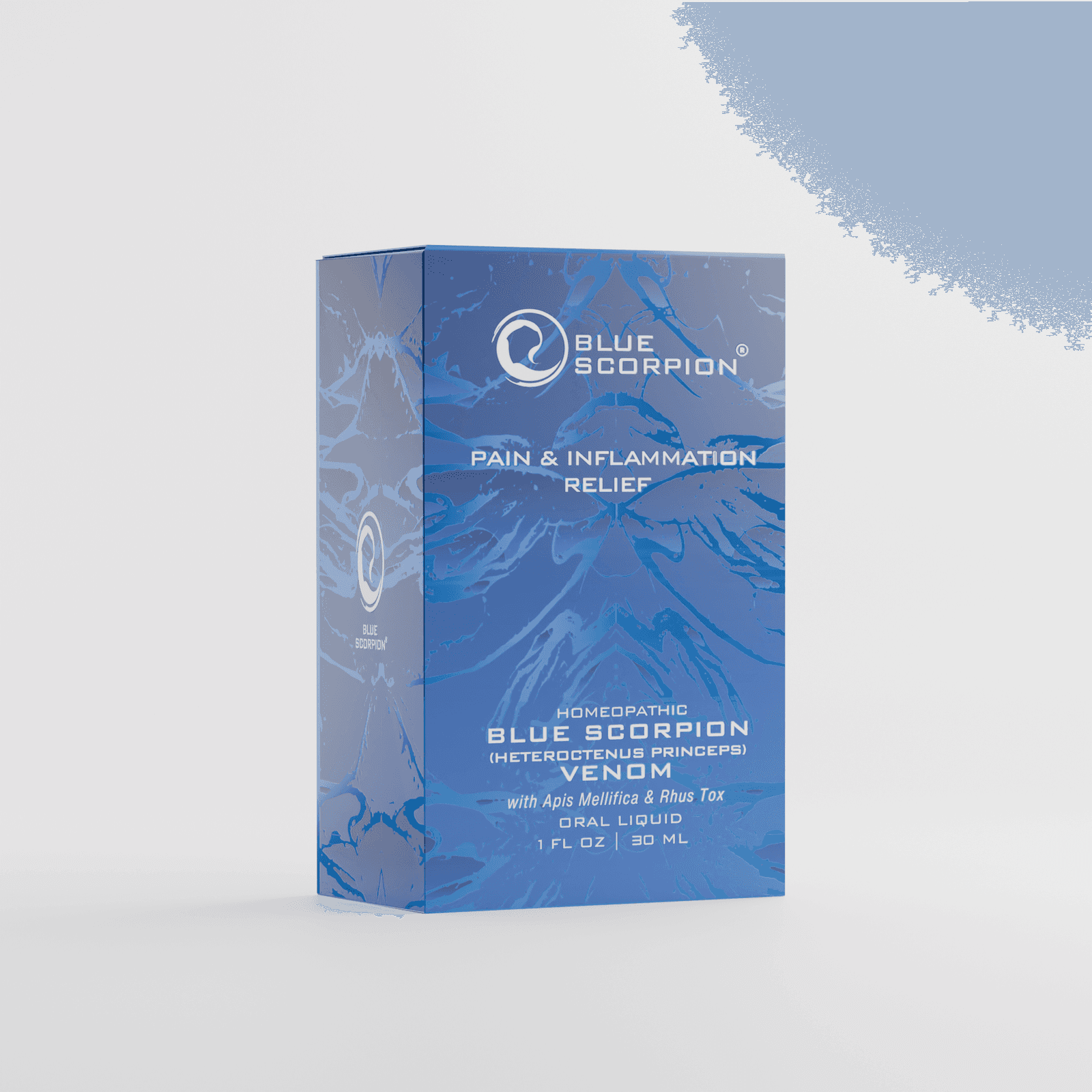
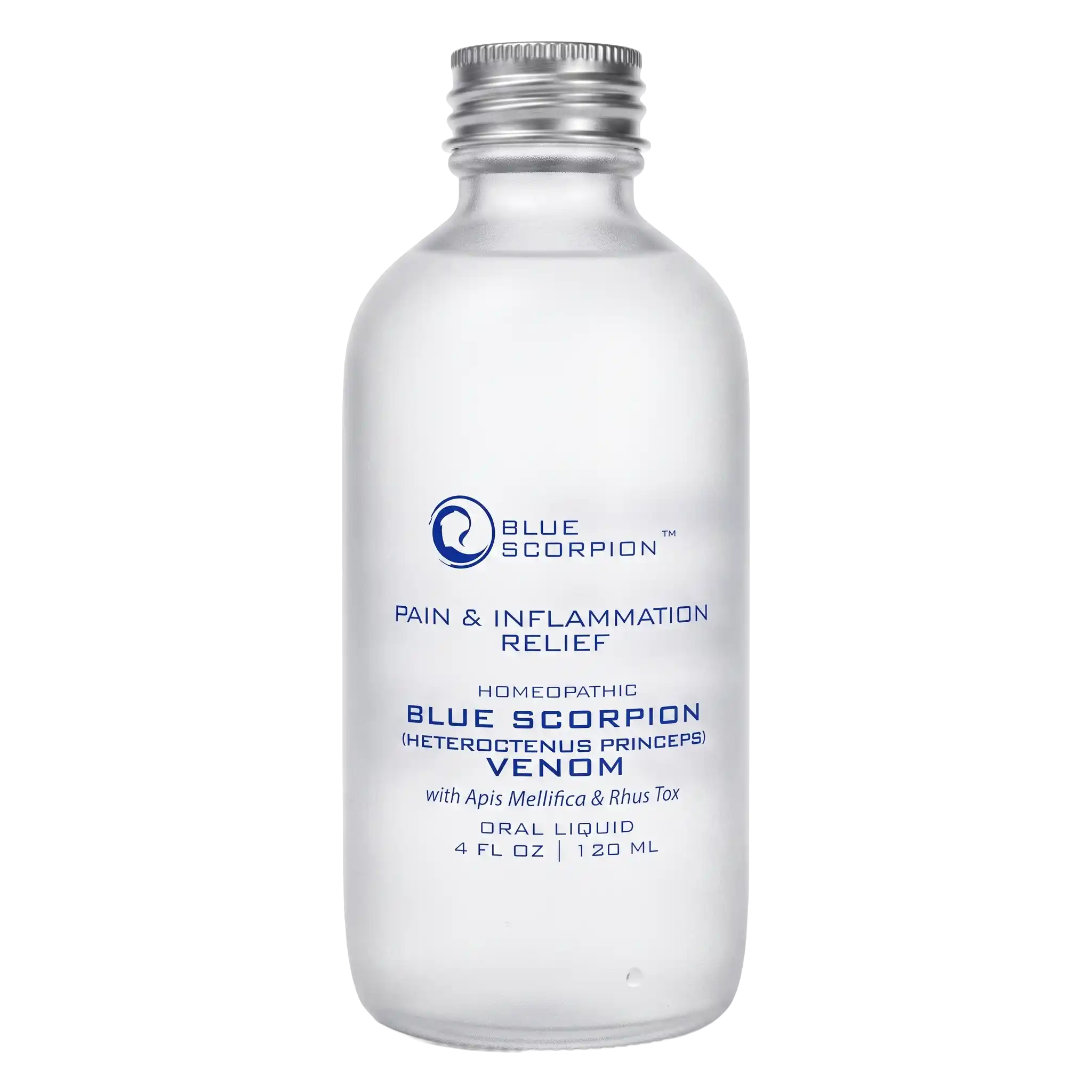
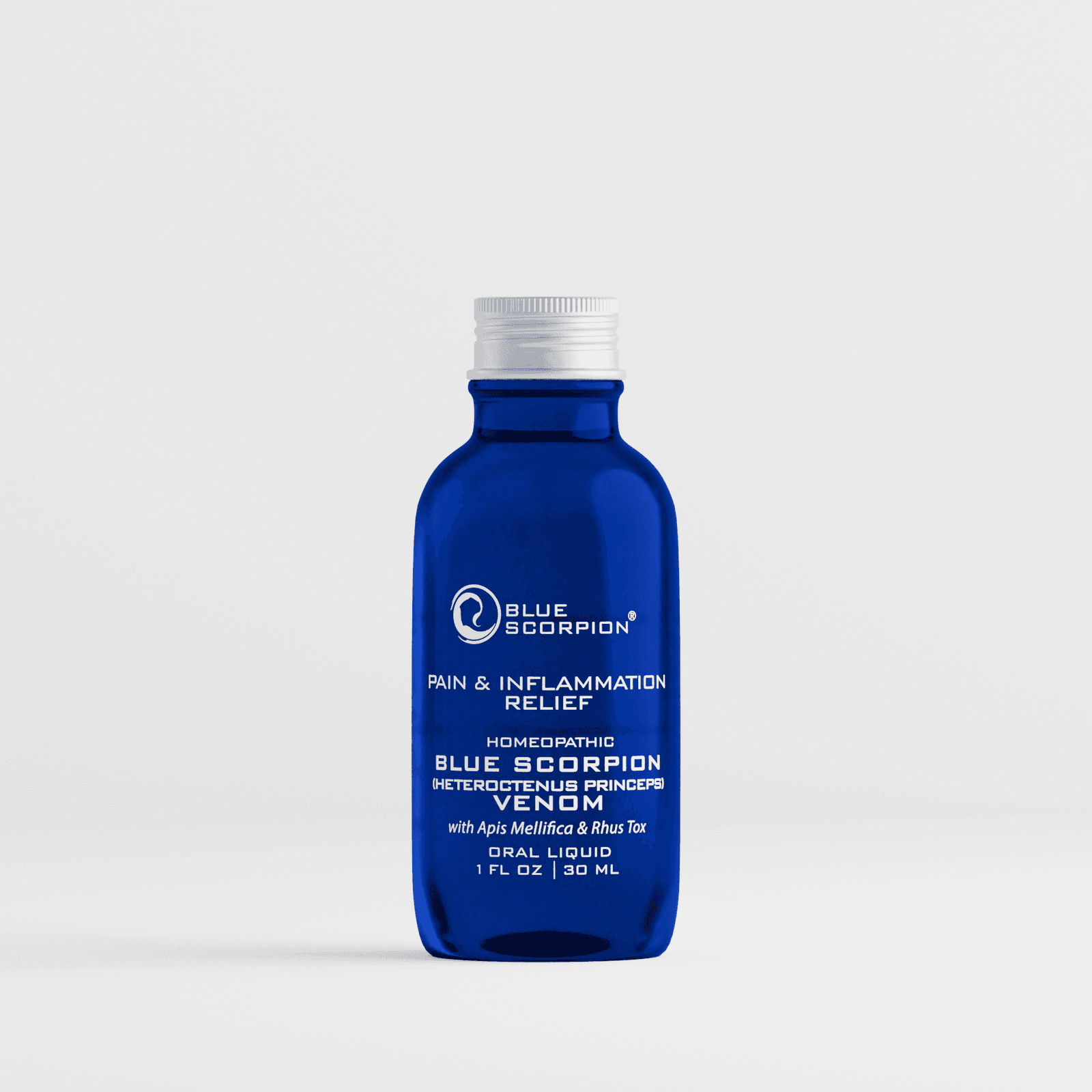
Blue Scorpion is a non-opioid, alcohol-free formula listed with an FDA National Drug Code. That listing means the product and its ingredients are registered in FDA's drug listing database with labeling on file — it is a registration and transparency signal, not an FDA approval and not a marker of superior quality compared to other products. (See FDA-Listed vs. FDA-Approved: What NDC Listing Means for the full distinction.)
The formula combines Heteroctenus Princeps, Apis Mellifica, and Rhus Toxicodendron, each traditionally indicated for the temporary relief of minor muscle soreness and joint discomfort.* Apis Mellifica and Rhus Toxicodendron are long-used homeopathic ingredients traditionally associated with swelling and stiffness relief.*
Unlike the options discussed above, none of this rests on clinical trial evidence, but on traditional homeopathic practice. This homeopathic pain relief guide covers what that distinction means in more depth.
*These statements are based only on traditional homeopathic theory from the 1700s, not accepted by most modern medical experts. There is no scientific evidence that this product works.
It is not a replacement for medical care, a substitute for the evidence-based options above, or a cure for any named condition. Some people choose to use it alongside movement and clinician-guided care as one additional layer; that's a personal choice to make with accurate information, not a claim we're making for you.
Frequently Asked Questions
What Is the Strongest Non-Opioid Painkiller?
There is no single strongest option, because strength depends on the pain source. For acute inflammatory pain, prescription NSAIDs are potent, while nerve blocks and suzetrigine handle more severe short-term pain.
Which Non-Opioid Medications Are Used for Chronic Pain?
Duloxetine, tricyclic antidepressants, gabapentin, pregabalin, topical diclofenac, and lidocaine patches are common long-term choices. Selection depends on whether your pain is inflammatory, nerve-related, or mixed.
What Are the Best Non-Opioid Options for Pain After Surgery?
Scheduled acetaminophen plus an NSAID covers most post-surgical pain when your surgeon approves both. Regional nerve blocks, ice, and early gentle movement further reduce the need for opioids.
Which Non-Opioid Medicines Can Help Nerve Pain?
Anticonvulsants like gabapentin and pregabalin, along with duloxetine and amitriptyline, are standard for neuropathic pain. Lidocaine patches and capsaicin cream can help when symptoms stay in one small area.
What Is Journavx, and How Does It Work for Acute Pain?
Journavx is the brand name for suzetrigine, a prescription non-opioid for moderate to severe acute pain. It blocks a sodium channel in peripheral nerves, reducing pain signals before they reach the brain.
How Can Chronic Pain Be Managed Without Opioid Medication?
Combine consistent low-impact exercise, physical therapy, sleep and stress work, targeted topicals, and periodic procedures when needed. Most people get the best results by layering several modest strategies rather than chasing one.
Building Your Own Non-Opioid Plan
Pain that limits your morning, your workout, or your work does not require a prescription pad to improve. It requires matching the right tools to the right kind of pain, then repeating them long enough to notice a shift.
Start with the basics you control: movement, pacing, sleep, and topical or systemic support you feel good about using daily. Add clinician-guided medicine or procedures when the basics stall.
If you'd like to add a homeopathic option to that routine, Blue Scorpion's FDA NDC-listed, alcohol-free formula is traditionally used for temporary relief of minor muscle soreness and joint discomfort.*
*These statements are based only on traditional homeopathic theory from the 1700s, not accepted by most modern medical experts. There is no scientific evidence that this product works.
Bundle and save on the daily formula.
This product is not intended to diagnose, treat, cure, or prevent any disease. Not evaluated by the FDA.