
Some mornings your hands feel like they belong to someone else. The knuckles are thick, warm, and slow to open, and it takes twenty minutes before you can grip a coffee mug without wincing. By afternoon, a flare-related tiredness settles in, the kind that sleep does not fix.
That combination of joint pain, joint stiffness, and fatigue is the daily reality of rheumatoid arthritis. For a clear overview of what RA is and how it's diagnosed and treated, see the CDC's rheumatoid arthritis guide.
Medication handles the disease process. Still, plenty of people want something more to lean on between doses and between appointments. Natural remedies for rheumatoid arthritis pain relief work best as a layer on top of your prescribed plan, not a replacement for it. That layer can include temperature therapy, food choices, gentle movement, and complementary care.
Keep reading to learn which approaches have real support behind them, which ones need caution, and how to fit them into an ordinary week. You will also see when RA pain should go straight to your doctor instead of your medicine cabinet.
Start With Medical Control and Flare Safety
Rheumatoid arthritis is an autoimmune condition, not simple wear and tear. Home care can ease how a flare feels, but it cannot stop the immune activity that erodes cartilage and bone.
Why RA Needs Treatment Beyond Home Care
Disease-modifying antirheumatic drugs, or DMARDs, are the backbone of RA care. Methotrexate and sulfasalazine are common examples, sometimes paired with prednisone or NSAIDs during a rough stretch. These medications slow joint damage in a way that diet and stretching cannot.
This is the main difference between RA and osteoarthritis. Osteoarthritis is mechanical. RA is systemic, which is why it also brings fever-like fatigue and whole-body malaise.
Signs a Painful Joint Needs Prompt Medical Advice
Call your rheumatologist rather than waiting it out if you notice:
A single joint that becomes hot, red, and far more swollen than the rest
Fever, chills, or new weight loss alongside joint pain
Pain that keeps escalating for more than a few days despite your usual routine
Numbness, tingling, or sudden loss of grip strength
Chest discomfort, shortness of breath, or new eye redness and pain
When Cold Is Better Than Heat
During an active flare, an inflamed joint is already warm. Adding more heat to a hot, puffy knuckle often makes the throbbing worse. Cold therapy with ice packs is the safer first choice when swelling is the dominant symptom.
Once you know which joints are actively inflamed and which are just stiff, choosing the right temperature stops being guesswork.
Use Heat, Cold, and Topicals for Day-to-Day Comfort
Temperature therapy is the cheapest tool you have, and it works fast. The trick is matching the method to what the joint is doing right now.
Moist Heat for Morning Stiffness
Stiffness that fades as you move responds well to warmth. A warm shower, a damp towel warmed in the microwave, or a moist heating pad for 15 to 20 minutes loosens tissue before you start your day.
Heating pads work best on the neck, shoulders, hips, and knees. Keep a thin cloth between the pad and your skin, and never sleep on one.
Cold Packs for Swelling During a Flare
Cold slows blood flow and dulls nerve signaling, which takes the sharp edge off a swollen joint. Ten to fifteen minutes on, then at least an hour off, is a reasonable rhythm. Wrap the pack in a towel so you are not icing bare skin.
Many people alternate: cold on the flaring joints, heat on the surrounding muscles that have tightened up in response.
Capsaicin and Other Topical Pain Options
Topical creams give you relief at the joint without a systemic dose. Capsaicin, made from chili peppers, works by depleting a pain-signaling chemical in local nerve endings. Expect a burning sensation for the first few applications, and wash your hands afterward.
Comfort at the surface only goes so far, though, if the joint underneath stops moving.
Keep Joints Moving Without Overloading Them
Movement lubricates joints and preserves muscle strength around them. Total rest during a flare feels protective, but a week on the couch usually leaves you stiffer than when you started.
Gentle Exercise and Rest in the Right Balance
Think in terms of dialing down, not shutting off. On a bad day, cut the duration and intensity but keep the joint traveling through its normal range. On a good day, build a little.
A useful rule: if pain is noticeably worse two hours after activity and stays that way the next morning, you did too much.
Low-Impact Options Including Walking and Swimming
Walking, cycling, and swimming keep your heart healthy without pounding your ankles and knees. Water is especially forgiving because buoyancy removes most of the load while still providing resistance.
Tai chi and yoga add balance and body awareness. Both have been studied in people with chronic pain and tend to help with stress as much as with mobility.
Stretching, Strength, and Range-of-Motion Work
Range-of-motion exercises are short and specific: open and close the hands, roll the wrists, circle the ankles. Done twice daily, they protect flexibility during periods when bigger workouts are off the table.
A physical therapist can build a program around the joints that bother you most and correct habits that strain them. Ask for a referral rather than guessing. This joint pain relief guide covers general mobility habits like these in more depth.
What you do with your body matters. So does what you put into it.
Build an Eating Pattern That Supports Inflammation Management
No food shuts down an autoimmune response. Still, an anti-inflammatory eating pattern is one of the most consistently recommended natural approaches for RA symptoms.
Prioritize Plant Foods and Omega-3 Sources
Rheumatologists often describe the target diet as lower in animal protein and higher in plant protein from legumes, nuts, and seeds. Add plenty of fruit, vegetables, and whole grains.
Omega-3 fatty acids, specifically EPA and DHA, are the standout nutrients here. Fatty fish two or three times a week is the simplest source. Fish oil supplements are commonly dosed around 1,000 mg twice daily for inflammation, but confirm that number with your doctor.
Use Turmeric and Ginger Realistically
Turmeric contains curcumin, which shows anti-inflammatory activity in studies. Typical study-aligned doses run near 750 mg twice daily or 1,000 mg once daily, well above what a sprinkle in curry provides.
Ginger and green tea have similar signals but smaller evidence bases. Treat them as steady contributors, not fast fixes.
Limit Processed Foods and Review Supplements First
Cutting back on heavily processed foods, added sugar, and fried items reduces the inflammatory load your body is already carrying. Vitamin D matters too, since deficiency is common. Yogurt and probiotic supplements may support gut health, which is under active study in RA.
One caution worth repeating: skip anything marketed as an immune booster. RA involves a dysfunctional immune system, not a weak one.
Diet and movement build the base. Some people want an extra layer of symptom support on top of that.
Consider Complementary Care With Clear Expectations
Complementary therapies can genuinely reduce how much pain interferes with your life. They are not disease-modifying, and honest expectations keep you from wasting money.
Acupuncture and Traditional Chinese Medicine
Acupuncture places thin needles at defined points, working from the Chinese medicine concept of qi, or vital energy flow. Trials in chronic pain show modest but real benefit for some people, and side effects are minimal with a licensed practitioner.
Give it a fair trial of six to eight sessions before deciding.
Massage and Mind-Body Pain Skills
Swedish massage eases the muscle tension that builds around guarded joints and can lower blood pressure and stress hormones. Ask the therapist to avoid direct pressure on actively swollen joints.
Mindfulness meditation and biofeedback teach you to change how your nervous system processes pain signals. Aromatherapy with essential oils and chiropractic care appeal to some people, though evidence is thinner and placebo effects are hard to separate out.
Supplements With Limited or Mixed Evidence
Boswellia serrata and evening primrose oil have small, mixed studies behind them. Thunder god vine has shown promise but carries serious toxicity risks, so most rheumatologists steer patients away from it.
Before you change anything, it helps to answer the questions most people bring to their next appointment.
Frequently Asked Questions
What Natural Remedies May Help Ease Rheumatoid Arthritis Pain and Stiffness?
Moist heat for stiffness, cold packs for swelling, gentle range-of-motion work, and an anti-inflammatory eating pattern are the most widely recommended. Layer them onto your prescribed plan rather than substituting.
Which Supplements Have Evidence for Supporting Rheumatoid Arthritis Symptom Relief?
Omega-3 fish oil with EPA and DHA has the strongest support, followed by turmeric or curcumin at study-level doses. Vitamin D matters if you are deficient. Glucosamine and MSM show little benefit for RA specifically.
How Can Heat, Cold Therapy, and Gentle Movement Help During a Rheumatoid Arthritis Flare-Up?
Heat relaxes tight tissue and eases morning stiffness, while cold reduces swelling and numbs sharp pain in an actively inflamed joint. Gentle movement keeps the joint from locking up. Shorten your sessions during a flare instead of stopping entirely.
What Foods May Help Reduce Inflammation Linked to Rheumatoid Arthritis Pain?
Fatty fish, legumes, nuts, seeds, fruit, vegetables, and whole grains form the core. Green tea, ginger, and turmeric add smaller contributions. Reducing processed foods, fried items, and added sugar often matters as much as what you add.
Can Turmeric, Omega-3 Fatty Acids, or Ginger Interact With Rheumatoid Arthritis Medications?
Yes. All three can affect blood clotting and may interact with blood thinners or certain prescriptions. Fish oil in particular can interfere with some medications, so review doses with your rheumatologist or pharmacist before starting.
When Should Rheumatoid Arthritis Pain Be Evaluated by a Rheumatologist Instead of Managed at Home?
Seek prompt evaluation for one joint that is suddenly hot, red, and far more swollen than usual, or for fever, unexplained weight loss, or new eye or chest symptoms. Escalating pain over several days also warrants a call. Home remedies are for maintenance, not emergencies.
Living Better Between Flares
RA asks you to manage two things at once: the disease itself and the way it feels hour to hour. Your medications handle the first. Heat, cold, movement, food, and complementary care handle the second, and they compound when you use them consistently.
Pick two changes this week instead of ten. A moist heat routine before breakfast and fatty fish twice a week is a real start, and it costs almost nothing.
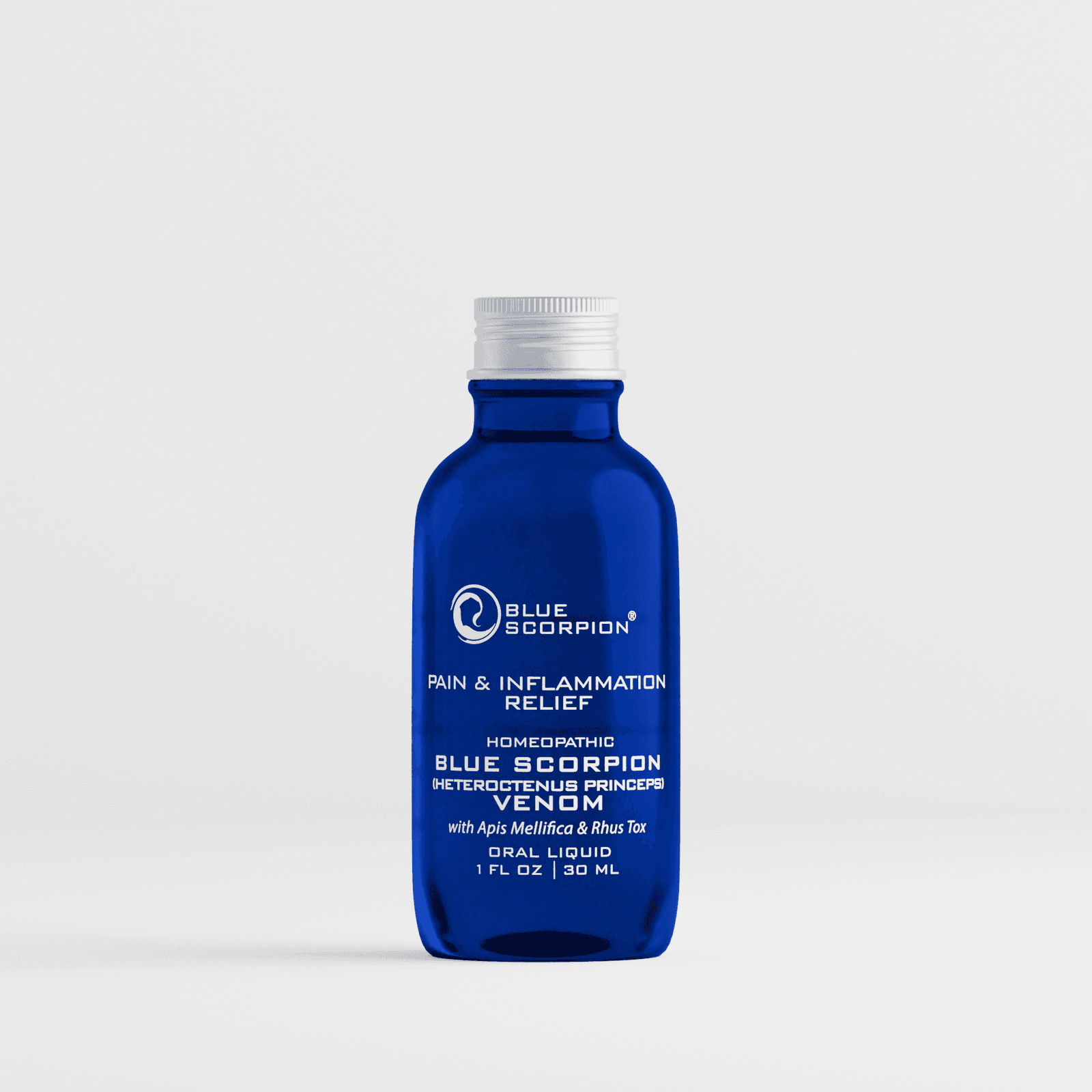
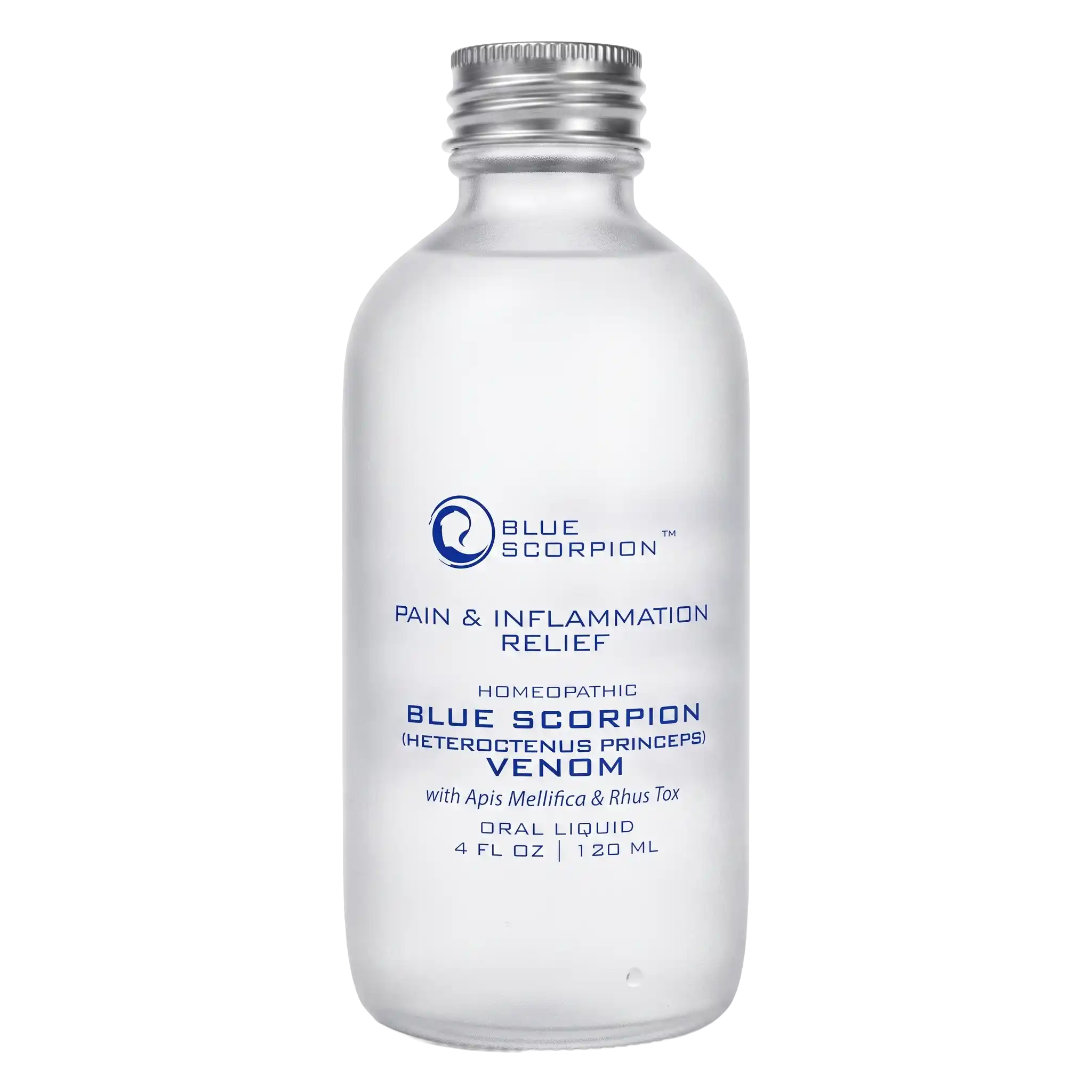
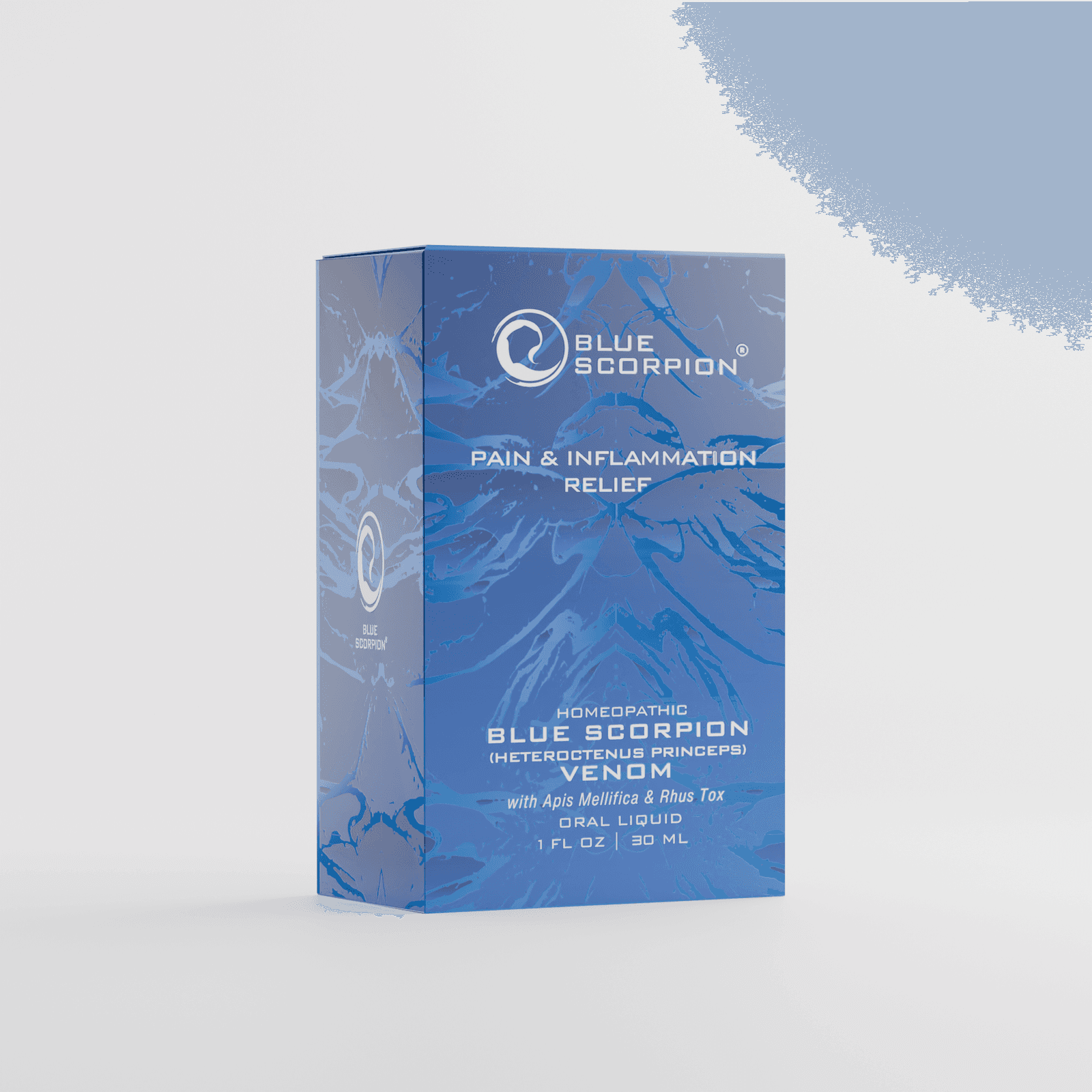
A separate note on Blue Scorpion: this article is about rheumatoid arthritis specifically, and Blue Scorpion is not intended for RA or any other diagnosed condition. Blue Scorpion is a non-opioid, alcohol-free, FDA NDC-listed formula that some people take orally as a small daily addition alongside minor, everyday muscle soreness or joint discomfort, not as part of RA care.
The NDC listing means the product and its ingredients are registered in FDA's drug listing database with labeling on file. It is not an FDA approval of safety or effectiveness. See our FDA-Listed vs. FDA-Approved guide for the full distinction.
The formula combines Heteroctenus Princeps, Apis Mellifica, and Rhus Toxicodendron, ingredients traditionally used for the temporary relief of minor pain and inflammation.* You can read more about how each ingredient is traditionally used in our homeopathic pain relief guide.
**These statements are based only on traditional homeopathic theory from the 1700s, not accepted by most modern medical experts. There is no scientific evidence that this product works. This product is not intended to diagnose, treat, cure, or prevent any disease, including rheumatoid arthritis.