

You wake up and notice your lower back before your feet hit the floor. It feels tight, stiff, and slow to loosen. By afternoon, a knee or shoulder is aching, and by evening you are simply tired of tracking it. Pain that lasts for months reshapes how you plan your work, your errands, and your rest.
That daily wear is why many people start looking past the medicine cabinet. Natural chronic pain management works best as a layered routine, not a single fix. For a general, independent overview of what the evidence does and doesn't support across these approaches, see NCCIH's consumer guide to chronic pain and complementary health.
In this guide you'll discover how to read your own pain pattern, when to get checked by a clinician, and how movement, sleep, stress skills, hands-on care, nutrition, and homeopathic support stack together. No filler. Just what you need to know.
Start With the Pain Pattern and a Safety Check
Before you change anything, write down where the pain sits, when it spikes, and what calms it. That record turns vague suffering into information you and a clinician can actually use.
Patterns matter because different pain behaves differently. Osteoarthritis often stiffens after rest and loosens with light activity. Nerve pain burns or tingles. Tension headaches build through a long, hunched workday.
Common Sources of Ongoing Pain
Most persistent pain traces back to a short list of sources, sometimes more than one at a time:
Joint pain from arthritis, including osteoarthritis and rheumatoid arthritis, with morning joint stiffness and reduced joint function
Low-back pain and neck pain tied to posture, old injury, or chronic muscle tension
Muscle and musculoskeletal pain from overuse or long hours in one position
Nerve pain with burning, tingling, or shooting sensations
Fibromyalgia, with widespread aching and heavy fatigue
Headaches and migraines, often stress-linked or sleep-linked
Inflammation after trauma, surgery, or repeated strain
Older adults frequently carry two or three of these together, which is why personalized care beats a generic plan.
When Symptoms Need Prompt Medical Care
Some symptoms are not candidates for self-management. Get medical attention quickly for new weakness, numbness in the groin area, loss of bladder or bowel control, or unexplained weight loss with pain.
Fever with joint swelling, a joint that is hot and red, or pain after a fall also deserve same-day evaluation. Natural approaches support your body. They do not replace a diagnosis.
Reviewing Medicines and Existing Treatments
Bring your full list to your next visit, including supplements. Long-term NSAID use carries stomach, kidney, and blood pressure risks, and opioids carry tolerance and dependence risks that should be discussed with your prescriber, not self-managed.
Ask a direct question: what am I taking, why, and what would a lower-dose plan look like? Once you know your baseline and your limits, the first change worth making is how you move.
Use Gentle Movement to Restore Function
Movement is the most reliable non-drug tool you have, and gentle counts. Sitting still protects a sore joint for an hour and weakens it over a month.
Regular activity releases endorphins, keeps joints lubricated, and lowers the nervous system's alarm level. The goal is not to chase a workout number. The goal is to repeat something small, most days, without triggering a flare.
Choose Low-Impact Exercise You Can Repeat
Walking, stationary cycling, and swimming are easy on knees and low backs. Water takes weight off painful joints, which helps a lot with arthritis and fibromyalgia.
Start below what you think you can handle. Ten minutes twice a day is a real dose if you can do it tomorrow too.
Build Strength and Mobility With Physical Therapy
A physical therapist finds the weak link driving your pain, often the hips behind low-back pain or the shoulder blade behind neck pain. You get a specific program instead of guesswork.
Strength work matters for joint function because muscle absorbs load your joints would otherwise take. Progress is measured in what you can do, not only in how much it hurts. This joint pain relief guide covers this in more depth.
Use Yoga and Tai Chi Within Your Limits
Both combine stretching, balance, and breath, and both have research support for chronic low-back pain and arthritis. Tai chi is especially forgiving because it stays slow and upright.
Modify freely and skip anything that pinches or burns. Movement calms pain from the outside in, and the next layer works from the inside.
Calm the Nervous System and Protect Sleep
Pain that lasts keeps your nervous system on high alert, and an alert nervous system amplifies pain signals. Breaking that loop is a treatment, not a luxury.
Stress raises muscle tension and chemical messengers like substance P that carry pain signals. Poor sleep then lowers your pain threshold the next day, so mornings feel worse than they should.
Practice Breathing and Relaxation Skills
Diaphragmatic breathing is the simplest entry point. Breathe in through the nose for four counts, out slowly for six, and let your belly move instead of your shoulders.
Progressive muscle relaxation and guided imagery work well before bed. Ten minutes, done nightly, beats an hour done once.
Use Mindfulness and Cognitive Behavioral Therapy
Mindfulness meditation trains you to notice pain without spiraling into fear about it. Mindfulness-based stress reduction programs have some of the strongest evidence in this category.
Cognitive behavioral therapy and pain-focused counseling change how you respond to flares, which changes how long they last. Biofeedback and clinical hypnosis help certain people, especially with headaches.
Address Stress, Anxiety, and Sleep Disruption
Anxiety and depression travel with chronic pain more often than most people expect. Treating them usually improves pain scores too.
Protect sleep quality with a cool dark room, a consistent wake time, and no screens in the last hour. If you snore loudly or wake unrefreshed after eight hours, ask about a sleep study. When your baseline calms down, hands-on therapies tend to work better.
Add Evidence-Informed Hands-On and Device Options
Some of the best-studied alternative pain management tools involve trained hands or a small device. They pair well with the habits you have already built.
Integrative medicine clinics often combine these with physical therapy rather than using them alone. That combination is where most people notice a real shift in function.
Consider Acupuncture for Condition-Specific Support
Acupuncture has the most evidence for chronic low-back pain, neck pain, knee osteoarthritis, and migraine prevention. Results build over a series of sessions, not a single visit.
Choose a licensed practitioner and give it a fair trial of six to eight sessions before judging.
Use Therapeutic Massage for Soft-Tissue Tension
Massage therapy reduces muscle guarding, which is often what makes musculoskeletal pain feel locked in place. It also lowers stress hormones, so the benefit is partly nervous system-based.
Tell your therapist your flare threshold up front. Deeper is not better when your system is already sensitized.
Discuss TENS, Heat, and Ice With a Clinician
TENS units send mild electrical pulses that can dampen pain signals during use. Many people find them useful for back pain and arthritis flares.
Heat loosens stiff joints and tight muscles before activity. Ice therapy suits fresh swelling and post-activity soreness. What you put into your body, and onto it, is the layer most people get wrong.
Evaluate Food, Supplements, and Topical Relief Carefully
Food will not erase pain, but it does shift the inflammatory background your pain sits against. Supplements and topicals help some people meaningfully and do nothing for others.
Judge everything by an eight-week trial with notes. If you cannot tell whether it helped, it probably did not.
Prioritize Whole Foods That Support Overall Health
Build meals around whole foods: vegetables, berries and other antioxidant-rich fruit, olive oil, beans, nuts, and fatty fish. Antioxidants help counter oxidative stress that follows long-term inflammation.
Omega-3 fatty acids, especially EPA from fish, have modest evidence for joint tenderness. Magnesium supports muscle relaxation and sleep, which can affect your pain threshold.
Know the Limits and Interactions of Herbal Options
Herbal remedies are real medicine with real interactions. Curcumin from turmeric and frankincense, also called boswellia, are the two most studied herbs for joint pain.
Willow bark contains salicin and can act like aspirin, so it does not mix with blood thinners. Feverfew is used for migraines. Topical capsaicin reduces local pain signaling over weeks of steady use.
Peppermint, rosemary, and lavender essential oils are used in aromatherapy for tension and sleep rather than for the joint itself. Tell your pharmacist about every one of these.
Where Homeopathic Support Fits Into Your Routine
Homeopathic formulas are one additional option some people add to a routine like this — not a replacement for the movement, sleep, or nutrition work above, and not a substitute for prescribed treatment.
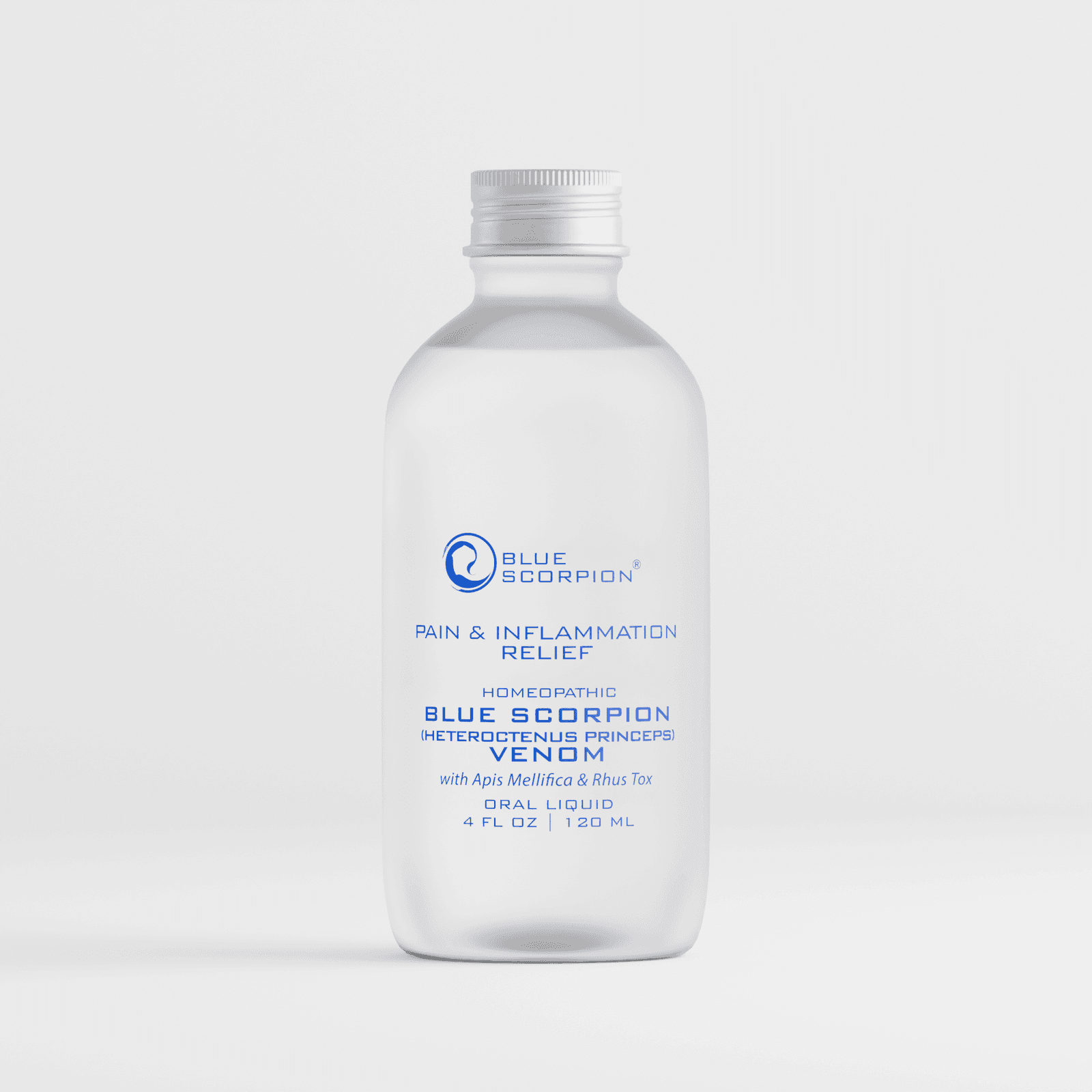
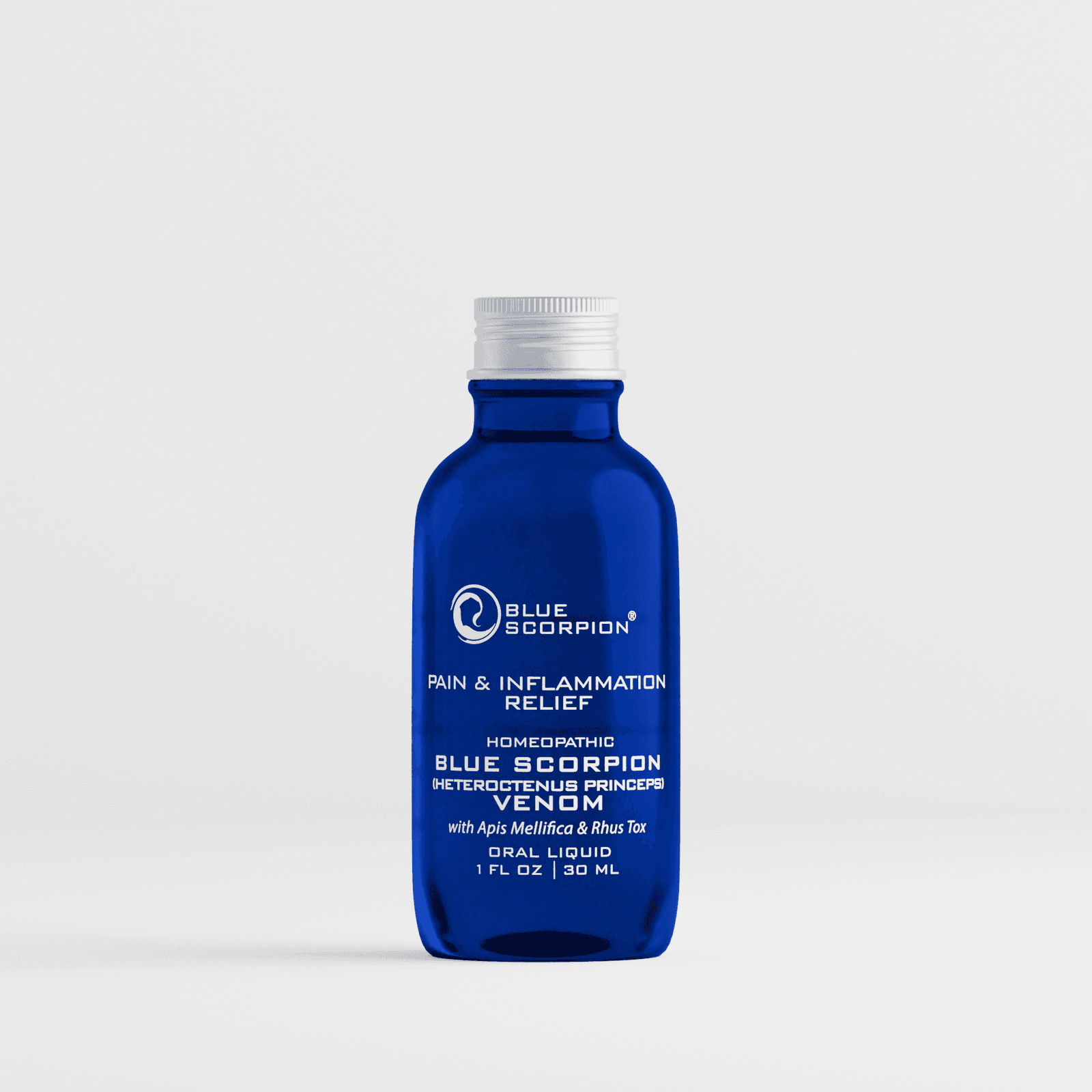
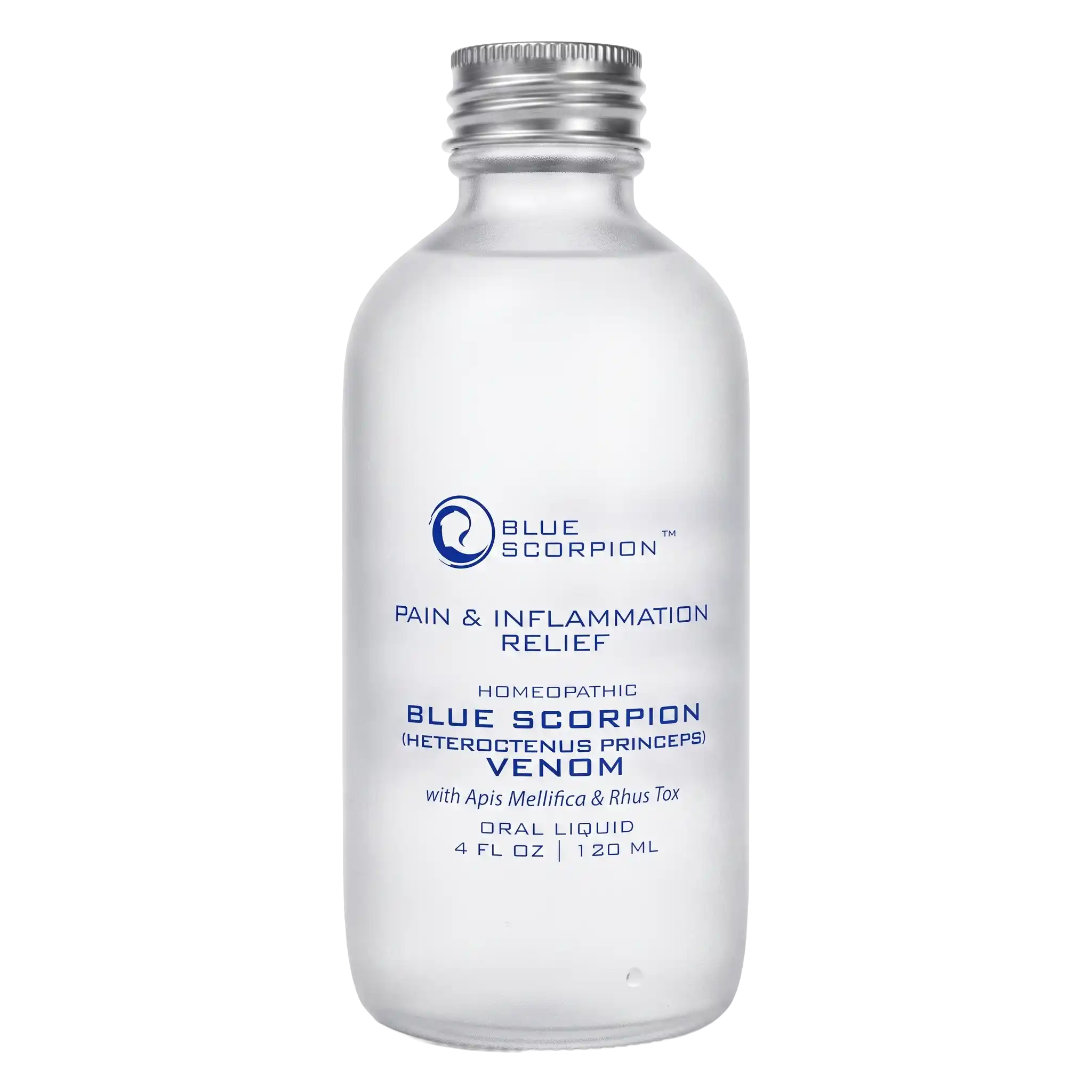
Credibility here depends on transparency: Blue Scorpion is FDA NDC-listed and alcohol-free, meaning it's registered in FDA's drug listing database with its ingredients disclosed. That registration is not an FDA approval of safety or effectiveness — see this FDA-Listed vs. FDA-Approved guide for the full distinction.
The active ingredients are Heteroctenus Princeps, Apis Mellifica, and Rhus Toxicodendron. Apis Mellifica is traditionally used for swelling and stinging pain, and Rhus Toxicodendron for stiffness that eases with movement.* This homeopathic pain relief guide covers each ingredient's traditional use in more detail.
*These statements are based only on traditional homeopathic theory from the 1700s, not accepted by most modern medical experts. There is no scientific evidence that this product works.
It is taken as a daily oral formula alongside the movement, sleep, and nutrition work above, traditionally used for temporary relief of minor muscle soreness and joint discomfort.* Nothing here treats or cures a named condition; it's one option to add to a routine you control, not a stand-in for any of the approaches above.
*These statements are based only on traditional homeopathic theory from the 1700s, not accepted by most modern medical experts. There is no scientific evidence that this product works.
Frequently Asked Questions
What Are the Most Effective Non-Drug Options for Long-Term Pain Relief?
Exercise therapy, physical therapy, cognitive behavioral therapy, and mindfulness-based stress reduction have the strongest long-term evidence. Acupuncture and topical options add support for specific conditions. Most people do best combining three or four rather than relying on one.
Which Natural Remedies Have Evidence for Reducing Chronic Pain?
Curcumin from turmeric, boswellia, omega-3 fatty acids, and topical capsaicin all have clinical research behind them for joint and musculoskeletal pain. Yoga, tai chi, and acupuncture have solid trial support too. Effects are moderate, which is why layering matters.
What Is the Strongest Natural Pain Reliever for Persistent Pain?
There is no single strongest natural pain reliever, and any product claiming that is overselling. Consistent movement plus better sleep usually produces the biggest change in daily function. Herbal and homeopathic options work as additions to that foundation, not replacements for it.*
Can Herbs or Supplements Help With Nerve Pain?
Some people report relief from alpha-lipoic acid, magnesium, and topical capsaicin for burning or tingling nerve pain. Evidence is thinner than for joint pain. Nerve symptoms should be evaluated first, since the cause changes the plan.
What Non-Drug Options Can Help With Chronic Pain Day to Day?
Start with a written pain log, a movement routine you can repeat daily, and a real sleep schedule. Add hands-on care and nutrition changes, then consider topical or homeopathic support as one additional option.* Any changes to prescription medication should be discussed with your prescriber first.
When Should Chronic Pain Be Evaluated by a Healthcare Professional?
See a clinician if pain lasts more than a few months, limits daily activity, or keeps getting worse. Go sooner for fever, unexplained weight loss, new weakness, numbness, or loss of bladder control. A clear diagnosis makes every natural strategy work better.
*Homeopathic claims referenced above are based only on traditional homeopathic theory from the 1700s, not accepted by most modern medical experts. There is no scientific evidence that these products work.
Putting the Pieces Together on Your Terms
The people who make progress with chronic pain rarely find one answer. They build a stack: gentle movement most days, protected sleep, a stress skill they actually practice, sensible food, and one or two targeted supports.
Your version of that stack should match your pain pattern and your schedule, not someone else's protocol. Keep the pieces that earn their place over eight weeks and drop the rest without guilt.
If a homeopathic option belongs in your routine, Blue Scorpion's FDA NDC-listed, alcohol-free formula is traditionally used for temporary relief of minor muscle soreness and joint discomfort.*
*These statements are based only on traditional homeopathic theory from the 1700s, not accepted by most modern medical experts. There is no scientific evidence that this product works.
Bundle and save on the daily formula.
This product is not intended to diagnose, treat, cure, or prevent any disease. Not evaluated by the FDA.