

You feel it in the first ten steps of the morning. The hip locks up, the groin aches, and putting on socks turns into a small negotiation. By late afternoon, standing up from a chair brings a deep, grinding soreness that makes you shift your weight before you even take a step.
Most people reach for the same two or three options, then wonder what else exists. Homeopathic formulas have become a common addition to hip care routines, alongside movement, heat, cold, and smarter daily habits. They are not a replacement for medical care, but they are worth knowing about.
Keep reading to learn how the location of your pain points to its cause, which first steps calm a mild flare, what movement rebuilds comfort, when a scan is warranted, and what long-term care looks like. No filler. Just what you need to know.
Read the Location and Pattern of Your Pain
Where your hip hurts narrows the list of likely causes faster than almost anything else. So does the timing: pain that eases with motion behaves differently than pain that builds with every step.
The hip joint sits deeper than most people think. True joint pain usually shows up in the groin, not on the side pocket of your jeans. Pain on the outside of the hip more often comes from soft tissue. Pain in the buttock may not start at the hip at all.
Tracking the pattern for a week gives you something useful to describe to a clinician. Note when it starts, what makes it worse, and how long the stiffness lasts.
Groin Pain, Stiffness, and Weight-Bearing Pain
Deep groin ache with morning stiffness is the classic picture of hip osteoarthritis. It often worsens with walking, stairs, or standing for long stretches, and eases with rest.
Rheumatoid arthritis can also involve the hip, usually with longer morning stiffness and swelling in other joints. Sharp catching or clicking during rotation may point to a hip labral tear. Sudden, worsening groin pain in a younger adult can signal avascular necrosis, and in children, Legg-Calve-Perthes disease.
Outer-Hip Tenderness and Pain When Lying Down
Pain on the bony point of the hip that flares when you lie on that side usually comes from bursitis or gluteal tendinitis, not the joint itself. Pressing the spot reproduces the pain almost every time.
This type of tendonitis often follows a jump in activity, a long hike, or hours of sitting cross-legged. Muscle strain and tendon strain in the same area can feel similar but usually trace back to one specific movement.
Buttock Pain, Tingling, and Pain Down the Leg
Buttock pain with tingling or numbness running below the knee usually involves the sciatic nerve, not the hip joint. A pinched nerve in the lower back sends pain along that path.
Nerve-driven pain often changes with spine position, easing when you lean forward on a cart. Sciatica and hip arthritis can also coexist, which is why matching the pattern matters before you choose a first step.
Use Safe First Steps for a Mild Flare-Up
A mild flare responds best to a short, calm plan rather than total shutdown. The goal is to lower irritation without letting the joint stiffen further.
Give yourself 48 to 72 hours of modified activity before judging whether things are improving. If pain climbs sharply or you cannot bear weight, skip home care and get evaluated.
Rest Without Becoming Completely Inactive
Cut the aggravating activity, not all activity. Long stair sessions, deep squats, and hard walks can wait a few days.
Keep short, easy walks in the routine and change position every 30 minutes. Complete bed rest tends to increase stiffness and make the first steps afterward more painful.
Choose Ice or Heat Based on the Symptom
Use each one for what it does best:
Ice pack or cold therapy: best for a hot, swollen, freshly irritated hip, 15 to 20 minutes at a time
Heat therapy: best for stiff, achy joints, especially before gentle stretching in the morning
Both in one day: heat before movement, ice after activity that leaves the joint sore
Wrap either one in a towel and check your skin. Neither fixes the cause, but both make the next hour easier to move through.
Consider Over-the-Counter Medicines Carefully
Over-the-counter pain relievers have a real role and real limits. NSAIDs such as ibuprofen and naproxen target pain and inflammation, while acetaminophen addresses pain only.
NSAIDs can irritate the stomach and stress the kidneys with long use. Acetaminophen is easier on the stomach but hard on the liver at high doses. Ask your pharmacist how these interact with your other prescriptions.
Where a Homeopathic Option Can Fit
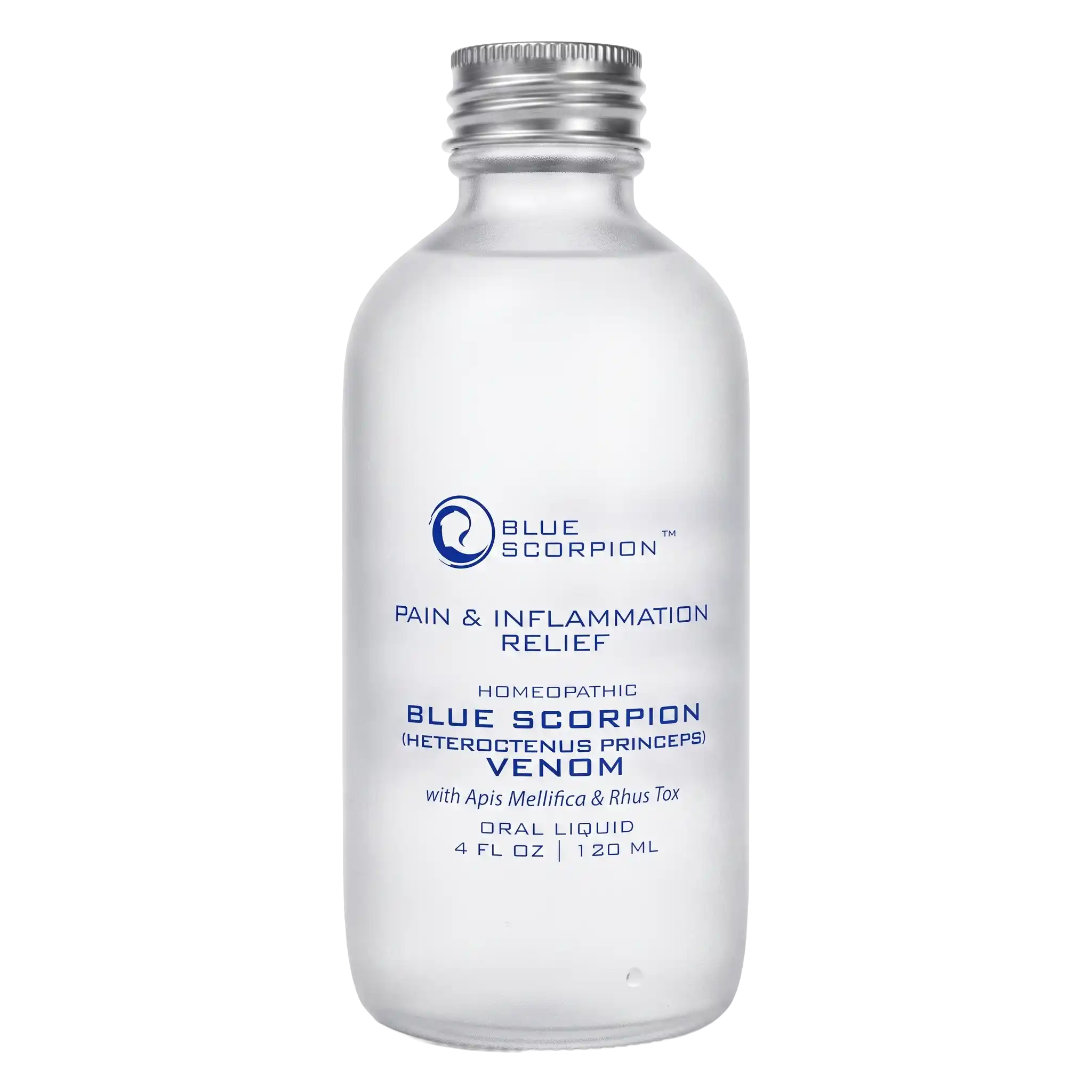
Some people layer a homeopathic option into a mild flare-up routine alongside the steps above. Blue Scorpion is an alcohol-free, non-opioid, FDA NDC-listed oral formula, taken under the tongue rather than applied to the skin, combining Heteroctenus Princeps, Apis Mellifica, and Rhus Toxicodendron and traditionally used for the temporary relief of joint discomfort and stiffness.*
Apis Mellifica is traditionally associated with swelling and stinging sensations. Rhus Toxicodendron is classically used for stiffness that eases with gentle motion, which lines up with how many stiff hips actually behave.*
*These statements are based only on traditional homeopathic theory from the 1700s, not accepted by most modern medical experts. There is no scientific evidence that this product works.
An FDA NDC listing means the product and its ingredients are registered in FDA's drug listing database with labeling on file. It is not an FDA approval of safety or effectiveness. See this FDA-Listed vs. FDA-Approved guide for the full distinction, and this homeopathic pain relief guide for how each ingredient is traditionally used.
Home care buys you comfort. Rebuilding how the hip moves is what keeps the next flare smaller.
Restore Comfortable Motion With Low-Impact Movement
Consistent, low-impact movement is the single most reliable long-term strategy for joint hip pain relief. It improves range of motion, feeds cartilage through joint fluid, and builds the muscle that shares the load.
Start smaller than you think you should. Ten minutes a day beats one hard session that costs you three days.
Begin With Gentle Range-of-Motion Work
Lie on your back and slowly bring one knee toward your chest, then lower it. Add small hip circles and gentle side-to-side leg rolls.
Move through the range that feels available, not the range you used to have. Mild stretching discomfort is fine; sharp groin pain is a stop sign.
Try Targeted Stretches Without Pushing Through Pain
A few hip stretching exercises cover most needs. Hip flexor stretches open the front of the hip after long sitting. The butterfly stretch works the inner thigh, and the piriformis stretch relieves tightness deep in the buttock.
Hold each for 20 to 30 seconds and repeat twice. Yoga can work well if you skip deep external rotation poses during a flare. This joint pain relief guide covers more general mobility habits like these.
Build Hip Support With Gradual Strength Work
Weak glutes leave the hip joint absorbing force it was never meant to carry alone. Bridges, side-lying leg raises, and standing hip abduction with a light band are a solid starting set.
Two or three short resistance training sessions a week is enough early on. Add repetitions before you add resistance.
Choose Joint-Friendly Cardio and Daily Activity
Swimming, cycling, and flat walking keep your heart rate up without pounding the joint. Water exercise is especially useful when weight-bearing hurts.
Maintaining a healthy weight lowers the load crossing the hip with every step, and even modest weight loss shows up in how stairs feel. Movement helps most cases, though some patterns need a closer look first.
Know When an Exam or Scan Is Needed
Some hip pain should not wait. Severe hip pain after a fall, an inability to bear weight, or a visibly deformed joint calls for emergency care. Mayo Clinic's guide on when to see a doctor for hip pain covers this in more detail.
Chronic hip pain that has not improved after four to six weeks of consistent home care also deserves an appointment. Persistent pain is information, not weakness.
Red Flags That Need Urgent Care
Get seen right away if you notice any of these:
Fever, warmth, or redness over the joint, which can suggest septic arthritis
Sudden severe pain or swelling with no clear cause
Inability to move the leg or put weight on it, a possible hip fracture
Night pain with unexplained weight loss, which needs evaluation to rule out cancer
What a Physical Exam Can Clarify
A physical exam tests how the hip moves in rotation, flexion, and extension, and checks strength, gait, and tenderness over specific spots. It also screens the lower back, since referred pain is common.
That hands-on assessment often separates joint, tendon, and nerve sources before any imaging is ordered.
When Imaging Helps Identify the Cause
X-rays show joint space narrowing, bone spurs, and fractures. An MRI reveals labral tears, tendon damage, and early avascular necrosis. Ultrasound can show bursitis and guide injections, and a CT scan details complex bone anatomy.
An orthopedic specialist or a sports medicine clinician uses those images to match the diagnosis to a plan, which is where longer-term care begins.
Explore Care for Persistent or Structural Problems
When pain outlasts home care, treatment shifts from calming symptoms to changing the mechanics and the underlying disease process. Most people still avoid surgery.
Work With a Physical Therapist on a Personal Plan
A physical therapist builds a program around your specific limits, then progresses it as strength returns. Physical therapy also corrects gait habits and hip drop patterns that keep re-irritating the joint.
Expect homework. Consistency between visits drives most of the result.
Discuss Injections and Medicines for Inflammatory Disease
Steroid injections deliver corticosteroids straight into the joint or bursa and can quiet severe inflammation for weeks or months. They work best paired with rehab, not used alone.
For rheumatoid arthritis, DMARDs address the disease process itself. Acupuncture, chiropractic care, and massage therapy help some people manage day-to-day discomfort alongside standard care.
Use Support Devices to Reduce Hip Load
A cane or walking stick held in the opposite hand can meaningfully reduce force through the painful hip. Supportive shoes and raising low chairs help too.
Short-term support often allows more walking, not less.
Understand When Surgery May Be Considered
Hip replacement surgery enters the conversation when pain limits sleep and daily life despite months of conservative care and imaging shows advanced joint damage. Hip replacement outcomes are generally strong.
Getting there is rarely urgent, which leaves room to work the daily routine first.
Frequently Asked Questions
What Is the Fastest Way to Relieve Hip Joint Pain at Home?
Stop the aggravating activity, apply heat for stiffness or ice for swelling, and move through a gentle range of motion every hour. A pillow between the knees while resting reduces strain. Give it two to three days before judging progress.
How Can I Sleep More Comfortably With Hip Pain?
Side sleepers should lie on the less painful side with a firm pillow between the knees to keep the hips level. Back sleepers can place a pillow under the knees. A mattress topper often helps outer-hip tenderness.
What Stretches Can Help Ease Hip Pain and Stiffness?
Hip flexor stretches, the butterfly stretch, and the piriformis stretch cover the front, inner, and deep back areas of the hip. Hold each for 20 to 30 seconds, twice per side. Stop if you feel sharp groin pain.
What Causes Sudden Hip Pain Without an Injury?
Bursitis, tendinitis, and arthritis flares can all start without a clear trigger, often after a change in activity or long sitting. Sudden severe pain with fever, or the inability to bear weight, needs same-day medical evaluation.
How Can I Tell Whether Hip Pain Is Muscular, Joint-Related, or Bone-Related?
Muscle and tendon pain is usually tender to touch and tied to one movement. Joint pain sits deep in the groin with stiffness and limited rotation. Constant pain at rest or at night is more concerning for bone and should be examined.
Why Does Hip Pain Spread Down the Leg?
Pain traveling below the knee with tingling or numbness usually follows the sciatic nerve from an irritated nerve root in the lower back. Hip joint problems tend to refer pain to the groin, front thigh, or knee instead.
Moving Through Your Day With Less Hip Pain
The practical takeaway is layered, not complicated. Read the pattern of your pain, calm the flare with rest, temperature, and smart activity changes, then rebuild motion and strength so the next flare is smaller.
If a homeopathic option fits your routine, Blue Scorpion's FDA NDC-listed, alcohol-free formula pairs Heteroctenus Princeps with Apis Mellifica and Rhus Toxicodendron, and is traditionally used for temporary relief of minor joint discomfort and stiffness.*
*These statements are based only on traditional homeopathic theory from the 1700s, not accepted by most modern medical experts. There is no scientific evidence that this product works.
Bundle and save on the formula.
This product is not intended to diagnose, treat, cure, or prevent any disease. Not evaluated by the FDA.