
You wake up, and your back feels welded shut. Your legs are heavy, your shoulders burn, and the first ten steps to the kitchen feel like a negotiation. Maybe you trained hard yesterday. Maybe you slept badly, sat too long, or you are fighting something off. Either way, the ache is spread out, dull, and stubborn.
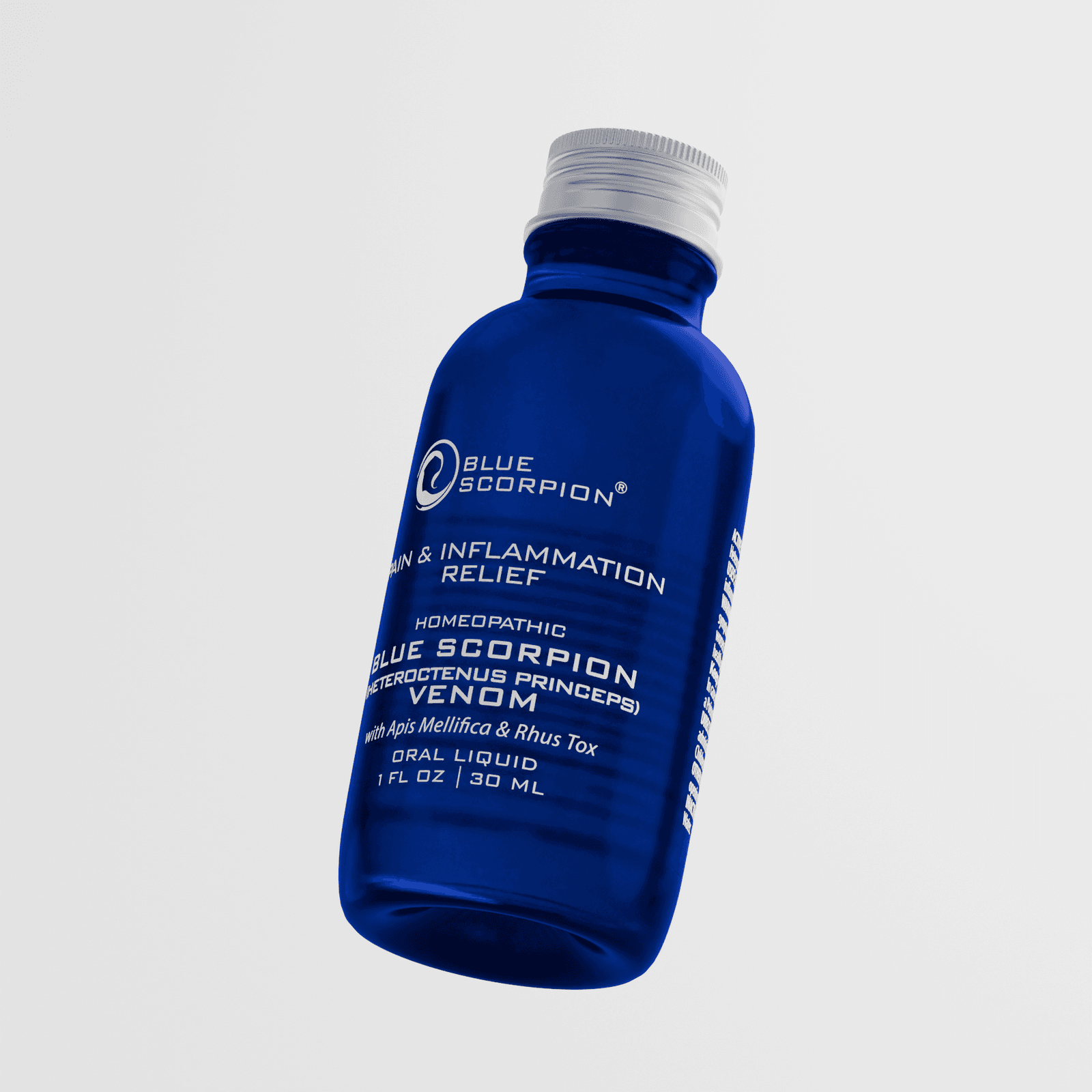
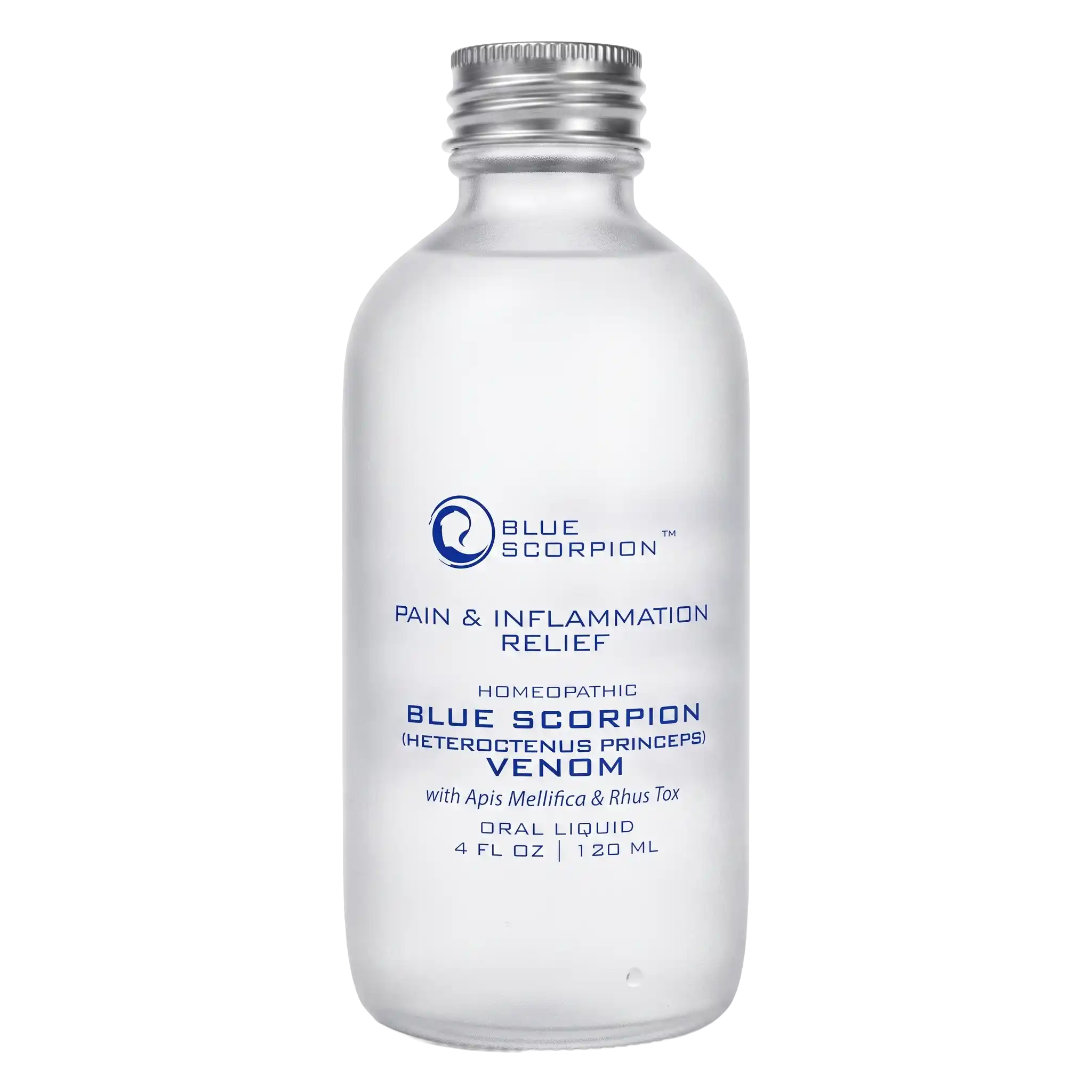
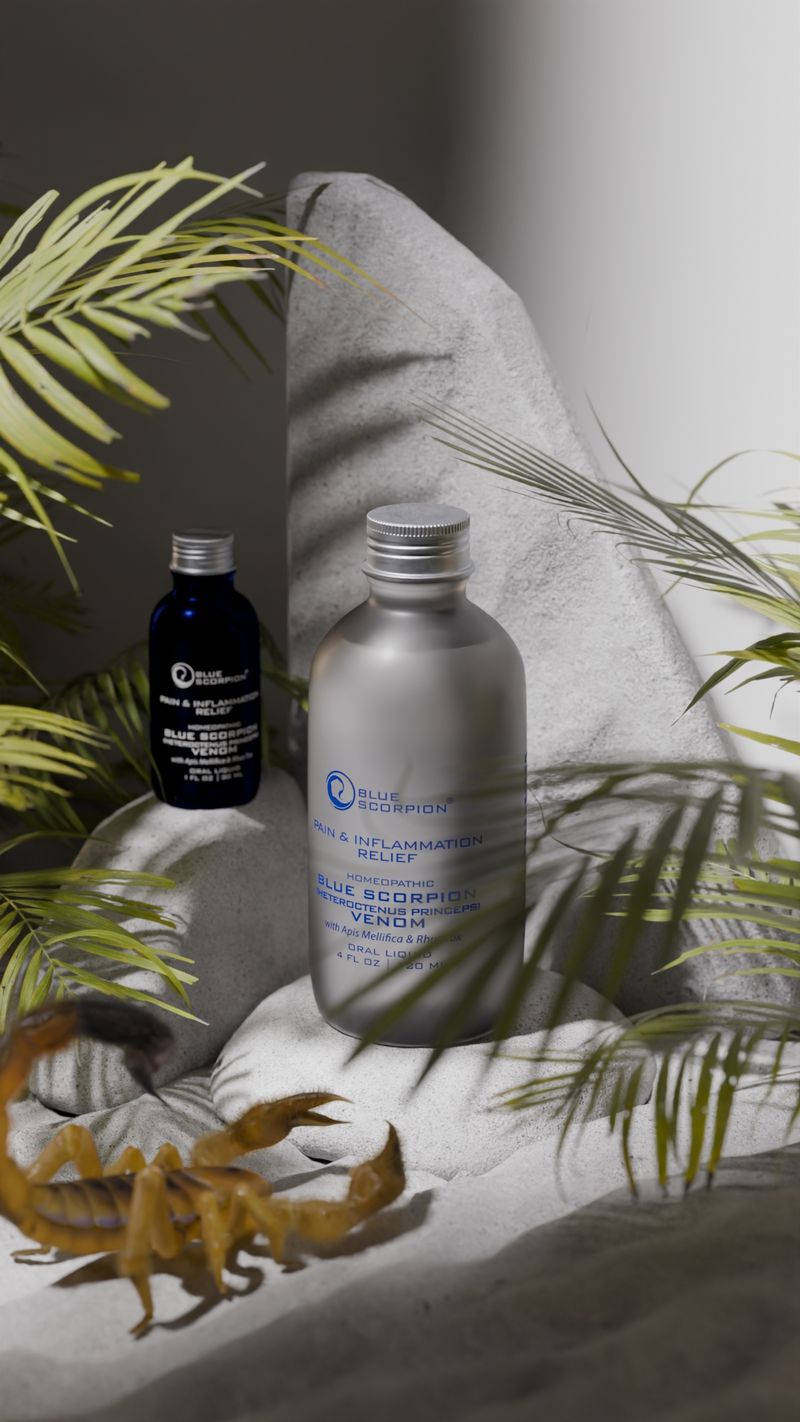
Most everyday body aches respond to a layered plan: temperature, gentle movement, fluids, sleep, and targeted support, not one pill on repeat. That layered approach is also where many people first look at homeopathic options. Blue Scorpion is one of them — an FDA NDC-listed, alcohol-free formula traditionally used for the temporary relief of muscle soreness and joint discomfort.*
*These statements are based only on traditional homeopathic theory from the 1700s, not accepted by most modern medical experts. There is no scientific evidence that this product works.
Keep reading to learn how to match your relief plan to the pain pattern you actually have, what to try at home, how to weigh medicines and topicals, and which symptoms deserve a doctor's attention. No filler. Just what you need to know.
Match Your Next Step to the Pain Pattern
Body pain is not one thing. Muscle soreness from exercise, swollen joints, and burning nerve pain all behave differently, so they call for different first moves.
Before you reach for anything, notice three details: where it hurts, when it hurts most, and what makes it better. That short check saves you weeks of guessing. For a general overview of what different muscle-pain patterns can mean, Mayo Clinic's muscle pain symptom guide is a useful independent reference.
Soreness After Exercise or Overuse
This ache shows up 12 to 48 hours after hard effort. It feels tender to the touch, stiff at rest, and slightly better once you warm up. Muscle cramps and tightness often come along with it.
Overuse pain is usually self-limiting. Light activity, fluids, and protein-rich food do more than lying still. Our guide on muscle soreness recovery goes deeper on this pattern specifically.
Stiff, Swollen, or Aching Joints
Joint pain feels deeper and more localized. Knees, hips, hands, and the low back may look puffy or feel warm, and stiffness peaks in the morning or after sitting.
Swelling and inflammation point toward joint tissue rather than muscle. Arthritis and osteoarthritis follow this pattern and are diagnosed conditions that respond better to a clinician-guided plan than to occasional home remedies — see the "When to Book a Routine Clinical Visit" section below. For general joint-care habits (separate from any product), see our joint pain relief guide.
Whole-Body Aches With Illness or Exhaustion
When aching spreads everywhere at once, and you feel wiped out, it is often your immune system or sleep debt talking, not a strained muscle.
This kind of myalgia usually comes with heaviness, low appetite, and poor concentration. Pushing through it tends to backfire.
Burning, Tingling, or Shooting Pain
Neuropathic pain travels. It runs down an arm or leg along a clear path, and it can flare while you sit perfectly still.
Burning, pins and needles, or true muscle weakness changes the plan entirely. That pattern needs evaluation, not a heating pad. Once you know which pattern you are dealing with, the at-home options get much easier to choose.
Use At-Home Care for Short-Term Discomfort
For ordinary aches, the basics still outperform almost everything else. Temperature, movement, fluids, and sleep cover most short-term discomfort.
Choose Heat, Cold, or Both
Heat widens blood vessels and loosens stiff tissue. A heating pad, warm blanket, or hot bath helps everyday stiffness and general muscle tension.
Cold works on fresh injury. An ice pack or cold compress wrapped in a towel, applied 20 minutes on and off, calms swelling and sharp pain.
For achy joints, many people get the best result alternating both. Try heat before movement, cold after.
Move Gently Instead of Staying Still
Rest helps for a day. After that, stillness usually makes aching worse by reducing blood flow.
Walking: eases back and knee pain without loading the joint hard
Swimming: unloads the spine while keeping muscles active
Yoga or tai chi: improves range of motion and lowers muscle tension
Shoulder rolls and arm circles: quick relief for desk-related upper body aches
Light stretching: best after a warm shower, never forced into pain
Restore Fluids, Food, and Sleep
Dehydration alone can produce cramping and full-body soreness. Water and electrolytes often fix aching faster than any topical.
Sleep is where repair happens. Consistent bedtimes, a dark room, and less alcohol at night make insomnia less likely and next-day pain lower.
Calm Stress-Related Muscle Tension
Stress tightens muscles, and tight muscles ache. Massage therapy, self-massage tools, meditation, and slow breathing break that loop.
Gentle exercise also releases endorphins, your body's own pain dampeners. When self-care alone stops being enough, the next question is what to add on top of it.
Consider Medication and Topical Support Carefully
Medicines have a place, but choosing well matters more than choosing fast. Match the product to the pain type and to your own health history.
Compare Acetaminophen and Anti-Inflammatory Medicines
Acetaminophen reduces pain signaling but does little for swelling. It is often the simpler choice for headaches or general aching without visible inflammation.
Anti-inflammatory medicines like ibuprofen target swelling and inflamed joints. They work well short term, and less well as a daily habit.
Know When to Avoid or Check Before NSAIDs
Frequent NSAID use can irritate the stomach and stress the kidneys. If you have ulcers, kidney disease, high blood pressure, or take blood thinners, ask a clinician first.
Topical anti-inflammatory gels deliver medicine closer to the sore area with less systemic exposure. That trade-off appeals to people who ache often.
Where Homeopathic Formulas Fit Into Your Routine
Homeopathic formulas sit in a different lane from over-the-counter or prescription medicine. They're typically taken alongside daily habits, not as a rescue drug.
Blue Scorpion is alcohol-free and listed with an FDA NDC number, meaning the product and its ingredients are registered in the FDA's drug listing system — that's a registration marker, not an FDA approval of safety or effectiveness. No homeopathic drug is FDA-approved. (We cover that distinction in more depth in FDA-Listed vs. FDA-Approved: What NDC Listing Means.)
Its active ingredients are Heteroctenus Princeps, Apis Mellifica, and Rhus Toxicodendron — a combination traditionally used for the temporary relief of minor muscle soreness, joint discomfort, and stiffness.* Apis Mellifica is traditionally associated with swelling, and Rhus Toxicodendron with stiffness that eases as you move.* For more on how the individual ingredients are traditionally used, see our homeopathic pain relief guide.
*These statements are based only on traditional homeopathic theory from the 1700s, not accepted by most modern medical experts. There is no scientific evidence that this product works.
Use Essential Oils and Supplements With Realistic Expectations
Peppermint and lavender oil can feel soothing on tight muscles. Capsaicin creams may dull joint pain over repeated use.
Turmeric with curcumin, ginger, omega-3s from fish and walnuts, vitamin D, magnesium, and tart cherry juice all have modest supporting research. Epsom salt baths help mostly through warmth and relaxation.
Expect small, additive gains rather than dramatic change. If aching keeps returning no matter what you stack, the cause may sit deeper than sore muscles.
Look Beyond Self-Care When Aches Keep Returning
Recurring, unexplained aching is a signal. Your body is reporting something that rest is not resolving.
Viral Illnesses and Other Infections
The flu, COVID-19, and the common cold all produce widespread muscle aches, fever, chills, and headache. Nausea and vomiting sometimes join in.
Lyme disease deserves mention if you spend time in wooded areas, since early symptoms mimic a mild flu that never quite clears.
Inflammatory and Autoimmune Conditions
Lupus, myositis, multiple sclerosis, and inflammatory arthritis cause pain that follows its own schedule. Morning stiffness lasting over an hour is a common clue.
These conditions often bring skin changes, unexplained fever, or symptoms that come in waves. Bloodwork tells the story that self-care cannot. These are diagnosed medical conditions — not something any homeopathic formula, including Blue Scorpion, is intended to treat.
Fatigue, Nutrient, and Medication-Related Causes
Low potassium, low vitamin D, thyroid problems, anemia, and poorly controlled diabetes all show up as aching and weakness.
Medication side effects matter too. Certain cholesterol drugs and blood pressure medicines list muscle pain directly, and a prescriber can often adjust the plan.
Chronic Pain Conditions That Need a Plan
Fibromyalgia and chronic fatigue syndrome produce widespread tenderness, poor sleep, and heavy fatigue without joint damage.
These need structured pain management: paced activity, sleep repair, and consistent support rather than crisis response. Some symptoms, though, should not wait for a scheduled appointment.
Get Medical Care for Warning Signs
Some aching is routine. Some is not, and telling them apart quickly protects you.
Symptoms That Need Urgent Evaluation
Get care right away for severe pain after an injury, a stiff neck with high fever, or chest tightness. The same applies to trouble breathing, confusion, or dark urine with muscle pain.
Rapidly spreading swelling, a hot red joint, or sudden muscle weakness on one side also belongs in urgent care, not a home routine.
When to Book a Routine Clinical Visit
Schedule a visit if aching lasts more than two weeks, keeps you awake, or steadily worsens. Persistent fatigue, unexplained weight loss, or repeated chills deserve the same attention.
Pain that does not respond to any home treatment is information, not failure.
Questions to Bring to Your Appointment
What could explain aching in more than one area at once?
Do any of my current medications list muscle pain as a side effect?
Which blood tests make sense for fatigue and weakness?
Is my pain muscular, joint-related, or nerve-related?
What can I safely take alongside my other prescriptions?
Bringing a short written pain log makes those ten minutes far more productive. Most readers, though, are still working through the everyday questions first.
Frequently Asked Questions
What Is the Best Medicine for Severe Body Aches?
There is no single best option, because severe aching from the flu differs from aching after injury. Acetaminophen suits general pain, while anti-inflammatory medicines suit swelling. Severe or sudden pain should be assessed by a clinician before you self-treat.
How Can I Relieve Body Aches When I Am Sick?
Fluids, sleep, and warmth do the heavy lifting. A warm bath or heating pad loosens tight muscles, and light stretching keeps you from stiffening up in bed. Rest is productive here, not lazy.
Why Does My Whole Body Ache When I Do Not Have a Fever?
Poor sleep, dehydration, stress, and long hours in one position all cause widespread aching without infection. Low vitamin D, thyroid issues, and fibromyalgia are other common explanations. If it lasts beyond two weeks, get bloodwork.
What Can Cause Body Aches Along With Tiredness and Weakness?
Anemia, low potassium, thyroid disorders, chronic fatigue syndrome, and autoimmune conditions all pair aching with exhaustion. Some medications do the same. A clinician can sort this out with a short panel of tests.
What Natural Remedies May Help Ease Body Aches?
Heat and cold therapy, gentle walking or swimming, massage, hydration, and better sleep help most people. Turmeric, omega-3s, magnesium, and Epsom salt soaks may add modest support. Homeopathic formulas with Heteroctenus Princeps, Apis Mellifica, and Rhus Toxicodendron are traditionally used as another option.*
How Can I Sleep Better When Flu-Related Body Aches Keep Me Awake?
Take a warm shower before bed, keep the room cool and dark, and prop yourself slightly upright if congested. Sip water through the night and skip alcohol, which fragments sleep and worsens next-day aching.
Aching Less Starts With a Plan You Can Repeat
The fastest path out of daily soreness is rarely one product. It is temperature applied at the right moment, movement kept gentle, fluids restored, and sleep protected.
Layered on top of those habits, an alcohol-free homeopathic formula gives you something to take consistently as part of that routine. Blue Scorpion is FDA NDC-listed and made with Heteroctenus Princeps, Apis Mellifica, and Rhus Toxicodendron, traditionally used for the temporary relief of minor muscle soreness and joint discomfort.*
*These statements are based only on traditional homeopathic theory from the 1700s, not accepted by most modern medical experts. There is no scientific evidence that this product works.
Bundle and save on the formula and build it into your routine.
This product is not intended to diagnose, treat, cure, or prevent any disease. Not evaluated by the FDA.