

You finish a hard training session, and the soreness sets in within hours. Joints feel stiff, muscles ache, and the inflammation from that last set of squats or long run lingers well into the next day. For competitive athletes and serious fitness enthusiasts, this is not occasional discomfort. It is a constant negotiation between how hard you push and how well your body bounces back.
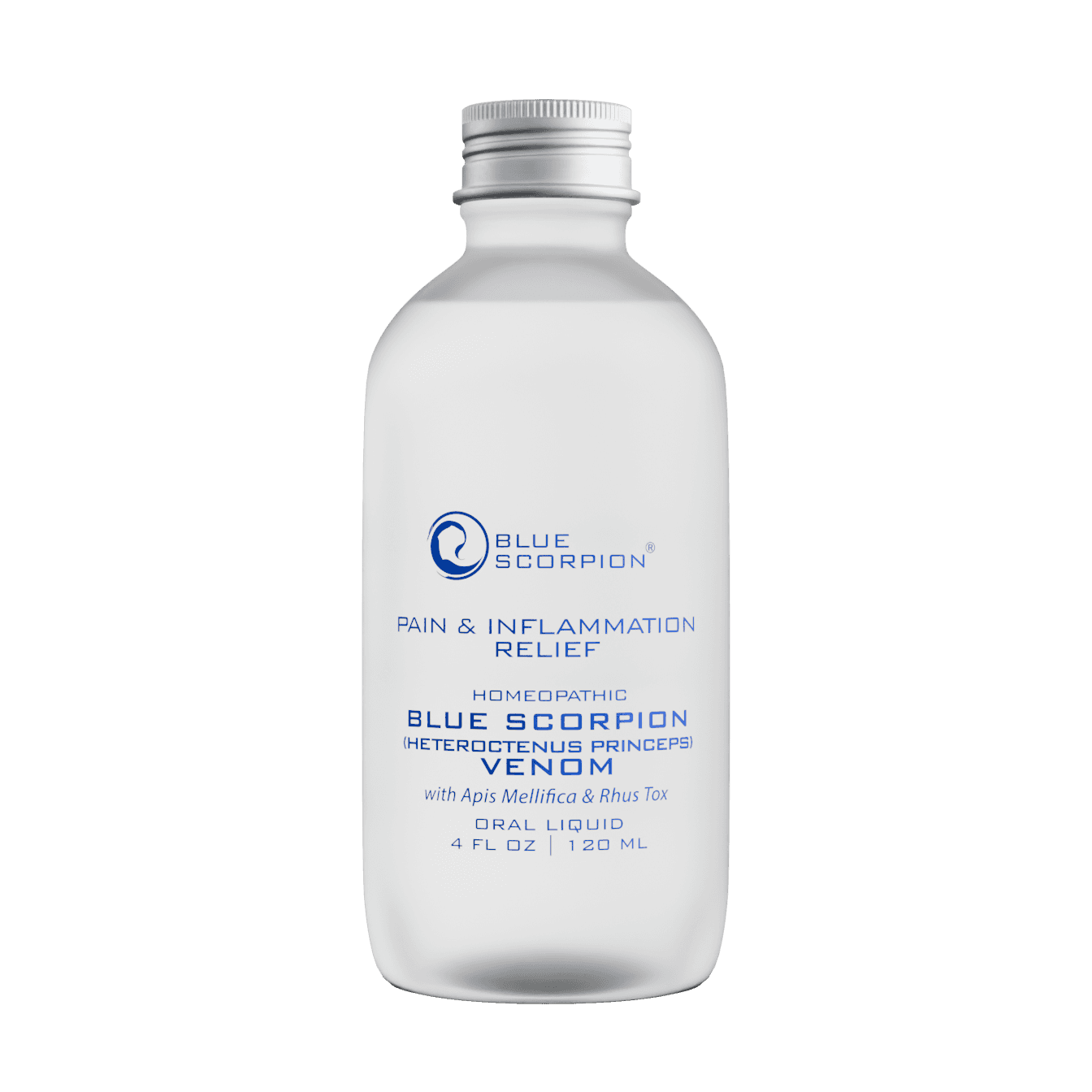
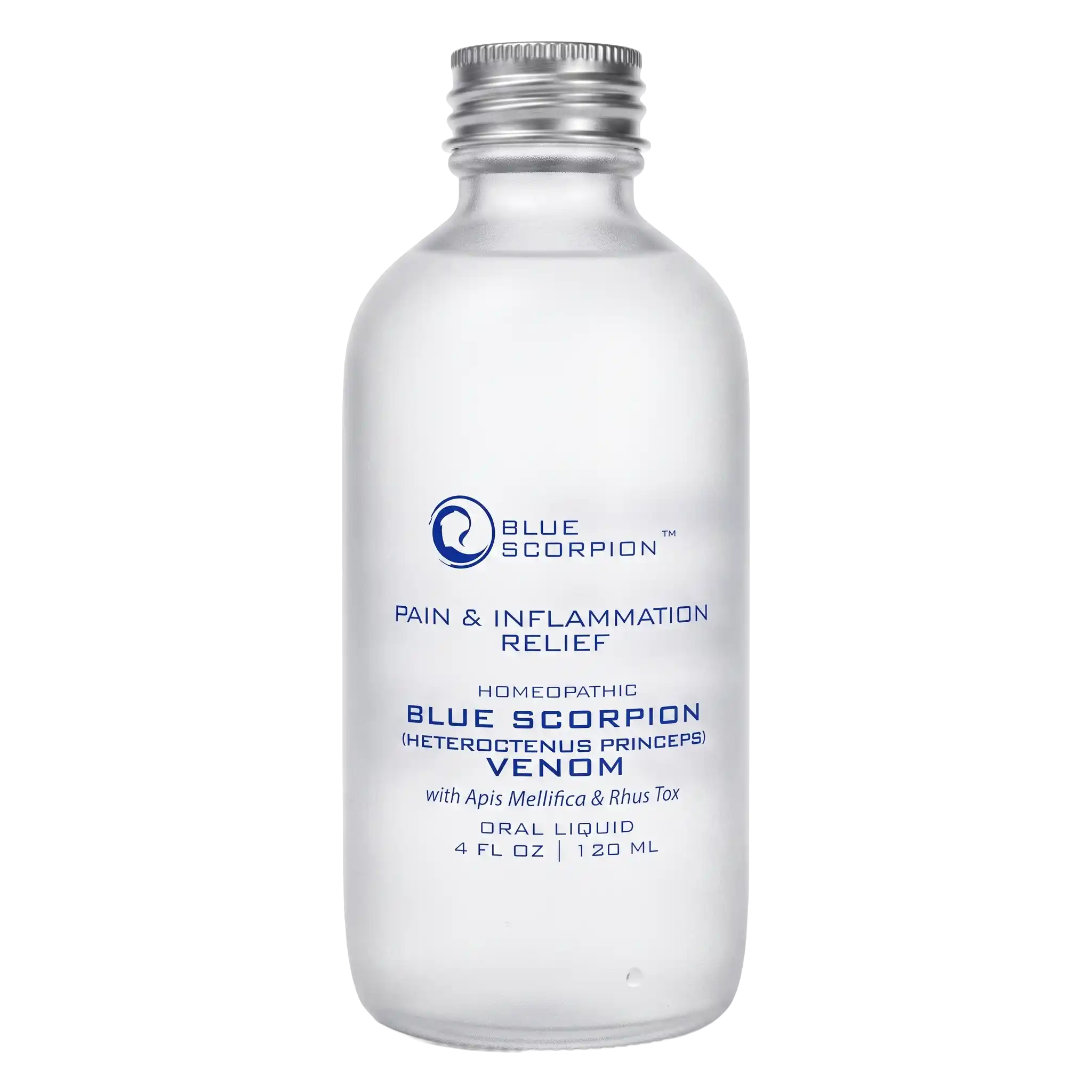
Recovery is not passive, and the tools you choose matter as much as the training itself. More athletes today are looking for non-opioid, alcohol-free options that support the body without pharmaceutical side effects or banned-substance risk. One example worth noting is Blue Scorpion Pain and Inflammation Relief, an FDA NDC-listed homeopathic formula built around Heteroctenus Princeps venom and certified for sport through testing for 400-plus banned substances.
Keep reading to learn which recovery tools for athletes are best, which habits actually move the needle, how to evaluate products before you buy, and where systemic homeopathic support fits into a complete recovery routine.
What Recovery Really Means After Hard Training
Recovery is not just rest. It is a series of biological processes your body runs after stress, and understanding them changes how you approach the days between training sessions.
The Difference Between Fatigue, Soreness, and Inflammation
Fatigue, soreness, and inflammation are three separate signals that often arrive together but respond to different strategies. Fatigue is a central nervous system response tied to energy depletion. Soreness, specifically delayed onset muscle soreness (DOMS), appears 24 to 72 hours after training and comes from microscopic tears in muscle fibers during eccentric contractions.
Inflammation is broader. It is the immune system's response to tissue stress, and it shows up as swelling, warmth, and reduced range of motion. A short window of inflammation after training is normal and even useful for adaptation. Prolonged or systemic inflammation is what slows you down over time.
Knowing which signal you are working with helps you choose the right tool. Soreness responds well to movement and circulation. Fatigue responds to sleep and nervous system rest. Persistent inflammation may need more systemic support.*
Why Faster Recovery Supports Better Performance
Athletes who recover well do not just feel better. They train more consistently, build greater capacity over time, and reduce their injury risk throughout the season. Recovery is where adaptation actually happens. The training session is the stimulus; the recovery window is when your body rebuilds stronger.
Cutting recovery short forces your next session on a body that is still managing tissue repair. Over a training cycle, that compounds into overuse injuries, performance plateaus, and burnout. Prioritizing recovery is not a break from progress. It is the mechanism of it. The question, then, is not whether to invest in recovery but which tools deliver real results.
The Daily Habits That Do the Most Work
Before any device or supplement earns a place in your routine, these three behavioral pillars do more work than almost any tool you can buy.
Sleep Quality and Nervous System Reset
Sleep is when your body releases growth hormone, repairs muscle tissue, and resets the nervous system. Elite athletes consistently aim for seven to nine hours per night, and research shows that sleep deprivation impairs reaction time, endurance, and cognitive function even when athletes feel subjectively fine.
Deep sleep stages are especially important. Stages three and four are when tissue repair is most active. Disruptions to sleep architecture, even without full wakefulness, reduce the hormonal output your body needs to rebuild after training. Prioritizing sleep onset and sleep environment before adding any recovery device pays dividends that gear cannot replicate.
If inflammation or nerve discomfort is disrupting your sleep, addressing it with a systemic approach rather than relying on sleep aids alone helps keep the recovery loop intact.
Hydration and Electrolyte Replenishment
Muscle tissue is approximately 75 percent water. Dehydration during and after training directly impairs muscle contraction, increases perceived soreness, and slows waste product clearance from tissues. Rehydrating with plain water is a start, but high-output training sessions also deplete sodium, potassium, and magnesium.
Electrolyte replenishment supports cellular fluid retention and helps prevent cramping in the hours following a hard session. A practical standard for endurance athletes is to replace roughly 150 percent of fluid lost through sweat within two hours post-training. Resistance athletes can use urine color as a daily hydration guide, aiming for pale yellow throughout the day.
Protein, Carbohydrates, and Recovery Nutrition Timing
Protein provides the amino acids needed for muscle fiber repair, and consuming 20 to 40 grams within 30 to 60 minutes after training takes advantage of elevated muscle protein synthesis rates. Leucine-rich sources such as whey, eggs, and Greek yogurt are particularly effective triggers for that synthesis window.
Carbohydrates replenish glycogen stores depleted during training, which supports energy recovery for the next session. A ratio of roughly 3 grams of carbohydrate to 1 gram of protein post-workout is well supported by sports nutrition researchers for combined endurance and resistance work. The timing matters, but total daily intake remains the more powerful variable for most athletes.
Movement-Based Tools That Help You Stay Ready
Light, intentional movement on rest days does more for recovery than complete inactivity in most cases. The key is matching the type of movement to what your body actually needs.
Active Recovery Sessions
Low-intensity movement on off days increases blood circulation to sore muscles without adding significant new tissue stress. Swimming, cycling at an easy pace, and brisk walking are common choices because they allow the cardiovascular system to help clear metabolic byproducts such as lactic acid while keeping joint load minimal.
Active recovery works because muscles rely on circulation to deliver nutrients and remove waste. Complete rest slows that exchange. Even 20 to 30 minutes of light movement the day after a hard session can meaningfully reduce the duration of DOMS.
Mobility Work and Range of Motion Maintenance
Mobility work preserves and extends the range of motion that heavy training can gradually restrict. Hip flexors, thoracic spine, and ankle dorsiflexion are common restriction sites for athletes, and limited range in any of these areas redistributes load to joints and tissues not built for it.
Dynamic stretching before training and static stretching or foam rolling after training represent two distinct strategies. Dynamic work prepares tissue for load. Static work, done post-training or on recovery days when tissue is already warm, targets length and joint space. Consistency over weeks and months produces the lasting change; a single session rarely does.
When Massage, Compression, and Cold Exposure Make Sense
Percussion massagers and foam rollers increase localized blood flow and reduce tissue tightness. They are most effective when used on specific target areas after training, and they work best as a complement to movement rather than a substitute for it.
Compression boots apply sequential pneumatic pressure that supports venous return from the lower limbs. They are particularly useful for endurance athletes after long runs or cycling stages where lower-body fluid accumulation is common.
Cold exposure, including ice baths and contrast therapy, reduces acute inflammation and perceived soreness but may blunt some long-term adaptation if used immediately after strength training.
Timing matters: cold therapy is more appropriate after competition or high-volume output days than during hypertrophy-focused training cycles. Once you understand these physical tools, the next question is how to evaluate the supplemental and systemic options that sit alongside them.
How to Evaluate Recovery Products Without Guesswork
The recovery product market is large, and not every product in it earns its place on your shelf. Knowing how to evaluate what you are buying saves money and protects your competitive standing.
What to Look for in Clean, Non-Opioid Support
For athletes in sanctioned sports, the first filter for any recovery product is banned-substance safety. Products tested in ISO 17025-accredited laboratories and certified through sport-specific programs provide a meaningful layer of assurance beyond what a label claim alone can offer.
Beyond that, non-opioid and alcohol-free formulations matter for athletes who compete regularly or train multiple times per week. Opioid-based products carry dependency risk and impair motor function. Alcohol-based formulas can interfere with sleep architecture and hydration. Neither aligns with a serious training routine.
Why Systemic Options and Topical Options Serve Different Roles
Topical products target a specific localized area. A cream or gel applied to a sore knee addresses surface tissue but does not reach systemic inflammation happening across multiple sites simultaneously. They are appropriate when one area is the clear priority.
Systemic formulas, taken orally, circulate through the bloodstream and can support the body's response to inflammation and discomfort across multiple sites simultaneously. For athletes managing widespread soreness or nerve-related discomfort, a systemic option covers more ground per dose. The two approaches are not competing; they serve different moments in a recovery cycle.
Safety Signals, Testing Standards, and Ingredient Transparency
Look for these credibility signals when evaluating any recovery product:
FDA NDC listing or FDA-registered manufacturing facility
Testing for banned substances through a recognized sport certification body
Clearly named active ingredients with disclosed potencies
cGMP (Current Good Manufacturing Practice) compliance on the label
Published or transparent directions for use, dosage, and storage
Products that cannot point to these signals are harder to trust in a competitive or health-conscious context. Ingredient transparency is not just an ethical standard; it is a practical one when your livelihood or performance depends on what you put in your body.
Where Homeopathic Support Fits in an Athlete's Toolkit
Homeopathic formulas occupy a specific and often misunderstood category in the recovery space. Knowing how they work and what they are designed to do helps you decide whether they belong in your routine.
How Systemic Formulas Differ From Single-Use Recovery Aids
Single-use recovery aids, such as ice packs, foam rollers, or topical creams, address a single site or a single moment in time. Systemic homeopathic formulas are designed for daily, consistent use and are intended to support the body's ongoing response to pain and inflammation rather than deliver a one-time effect.
This distinction matters for athletes who experience recurring soreness patterns throughout a training cycle. A tool that works once per session addresses the symptom. A formula taken twice daily supports the body's capacity to manage inflammation as a recurring condition.
Ingredients Athletes May See in Homeopathic Recovery Support
Several homeopathic ingredients appear consistently in sport-focused formulas. Here is a brief breakdown:
Rhus Toxicodendron: Traditionally used to support relief from joint stiffness, muscle discomfort, and restricted movement*
Apis Mellifica: Derived from honeybee, traditionally used to support relief from swelling, redness, and related discomfort*
Arnica Montana: Widely used in sport for bruising, muscle soreness, and soft tissue trauma*
Hypericum: Associated with nerve-related discomfort and shooting pain support*
These ingredients meet the standards of the Homeopathic Pharmacopeia of the United States (HPUS) and are prepared as highly diluted, potentized formulations.
A Credentialed Example With FDA NDC Listing
Blue Scorpion Pain and Inflammation Relief combines Heteroctenus Princeps venom, Apis Mellifica, and Rhus Toxicodendron in a single systemic formula. It holds FDA National Drug Codes (NDC 83627-901-01 and NDC 83627-901-02), is manufactured in an FDA-registered cGMP facility, and is certified for sport through testing for 400-plus banned substances in ISO 17025-accredited laboratories.
That credential stack is meaningful for competitive athletes. It addresses both the clean-ingredient concern and the regulatory standing concern in a single product. For athletes building a recovery toolkit, a formula like this fits as one daily element alongside movement, sleep, nutrition, and physical tools, not as a replacement for any of them.
Building a Recovery Plan You Can Actually Stick To
The most effective recovery plan is the one you actually follow. Complexity is the enemy of consistency, especially when you are already managing a demanding training schedule.
Matching Tools to Training Load and Soreness Patterns
High-volume training weeks require more active recovery support than deload or light weeks. Matching your recovery investment to your actual training stress prevents both under-recovery and overcomplicating a rest day with unnecessary protocols.
A useful framework is to tier your tools by frequency:
Daily: Sleep, hydration, nutrition timing, systemic oral formulas
Post-training: Foam rolling, mobility work, protein intake
As needed: Compression boots, cold therapy, percussion massage
This structure lets you use higher-effort tools selectively rather than burning out on protocols that compete with training energy.
Simple Criteria for Choosing What to Use Consistently
If a tool requires more than five minutes to set up, you will skip it on hard days. Choose recovery tools that are simple enough to use every single day without deliberation. Ease of use is a feature, not a marketing point.
Ask three questions before adding anything new to your routine:
Is it clean and safe for my sport?
Does it address a real pattern I experience, not a hypothetical one?
Can I use it consistently without disrupting training?
Products that pass all three criteria earn a slot. Everything else waits.
Frequently Asked Questions
Which Recovery Tools Reduce Next-Day Muscle Soreness After Hard Training?
Foam rolling, active recovery movement, and cold therapy each have evidence supporting reduced DOMS. Consistency matters more than which single tool you pick. Combining light movement with proper hydration and protein intake post-training tends to produce the most reliable results.
How Do Percussion Massage Devices Compare With Foam Rollers for Tight Legs?
Percussion devices deliver rapid, targeted pressure that penetrates deeper into specific muscle bellies. Foam rollers cover broader surface areas but rely on body weight for pressure. For tight quads or calves after a run, a percussion device can be faster; for IT band tension and upper back work, a roller often reaches more tissue.
What Recovery Equipment Is Worth Buying First for a Home Setup on a Budget?
Start with a quality foam roller and a reliable way to track sleep. These two cover the highest-frequency needs at the lowest cost. A foam roller in the $40 to $65 range addresses daily tissue work, and sleep optimization costs nothing beyond habit change.
Which Recovery Supplements Have the Strongest Evidence for Strength and Endurance Athletes?
Creatine monohydrate and protein supplementation have the strongest support for strength athletes. Electrolyte replenishment and carbohydrate timing are most supported for endurance athletes. Homeopathic systemic formulas are used for pain and inflammation relief rather than performance enhancement and serve a different function in the toolkit.
How Often Should Runners Use Compression Boots or Contrast Therapy Without Disrupting Training?
Compression boots can be used daily without disrupting adaptation for most athletes. Contrast therapy and ice baths are better timed after competition days or peak training weeks rather than immediately after hypertrophy sessions, where acute inflammation plays a role in muscle adaptation. Two to three sessions per week is a reasonable starting point for most endurance runners.
What Should You Look for in a Reputable Recovery Clinic or Sports Therapy Location Near You?
Look for licensed practitioners, transparent pricing, and services grounded in evidence-based physical therapy or sports medicine. A credible clinic will assess your specific movement patterns before recommending modalities rather than offering every service regardless of your condition. Certifications from recognized sports medicine or physical therapy boards are a baseline signal of quality.
Your Next Step in Recovery
The best recovery tools for athletes are not always the most expensive or the most complex. Sleep, hydration, nutrition timing, and consistent movement do the foundational work. Physical tools like foam rollers, compression boots, and mobility work add meaningful value when layered on top of those habits.
Systemic support matters too, especially for athletes managing recurring inflammation or nerve-related discomfort that does not fully resolve between sessions. If you are looking for a non-opioid, sport-certified option that you can add to a daily routine without guesswork, Blue Scorpion offers a credentialed starting point.
Ready to try a non-opioid option built around one of the rarest ingredients on earth? Get Relief with Blue Scorpion today.