

Joint stiffness that shows up before your morning coffee, muscle soreness that lingers two days after a workout, nerve discomfort that interrupts your sleep for no obvious reason. These are the kinds of everyday aches that do not always warrant a prescription but still demand your attention.
For adults looking to manage this kind of daily discomfort without opioids or alcohol-based products, the landscape of drug-free options is broader than most people realize. One category worth knowing is FDA NDC-listed homeopathic formulas, which offer a non-pharmaceutical path to natural pain relief.
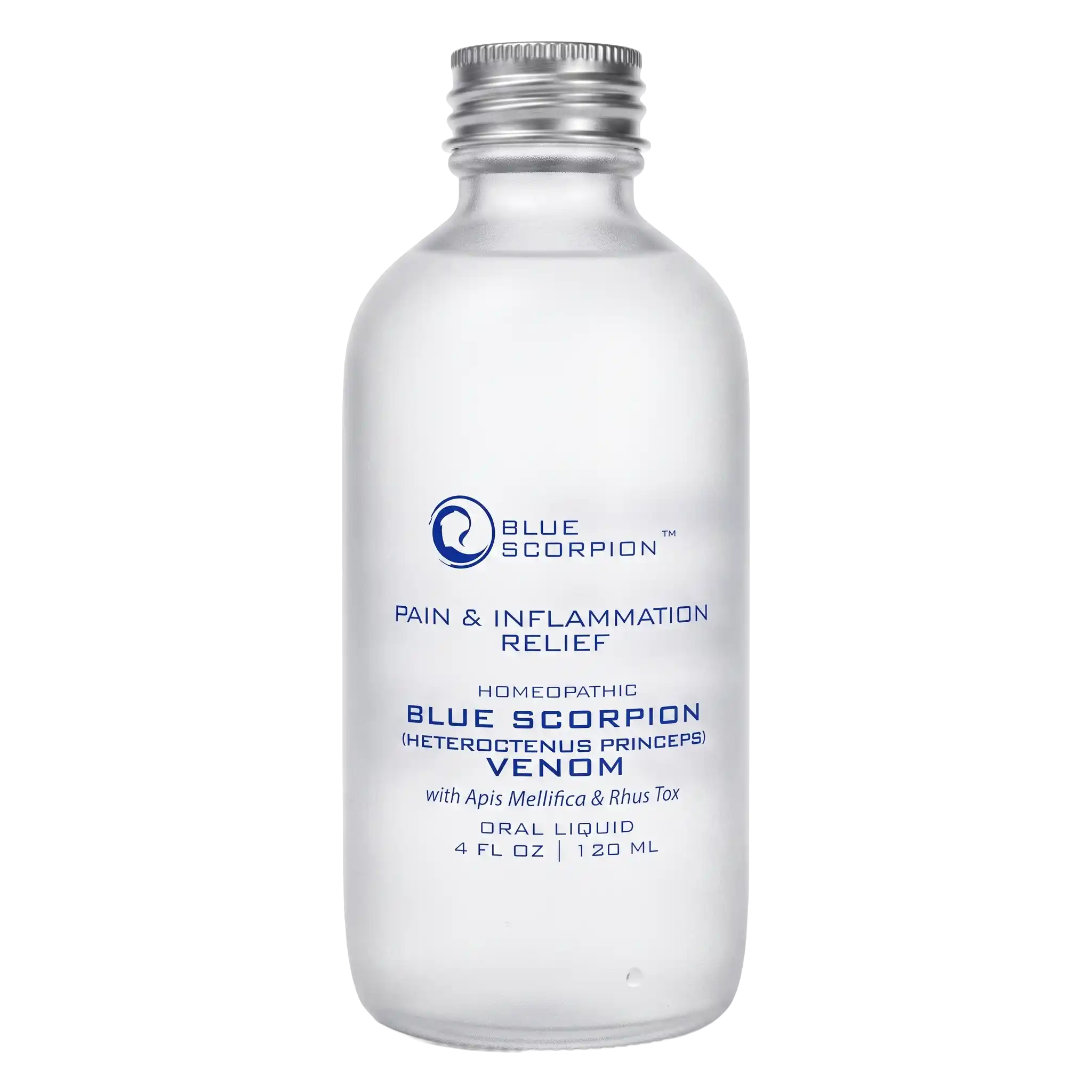
Blue Scorpion Pain and Inflammation Relief is one such option, built around Heteroctenus Princeps venom and listed with the FDA under National Drug Codes. Keep reading to learn how different natural approaches compare, what to look for in a credible formula, and how to build a practical routine around the symptoms you actually deal with day to day.
Homeopathic claim disclosure: These statements and claims are based on traditional homeopathic practice, not accepted medical evidence, and are not FDA evaluated. This product is intended for the temporary relief of pain, inflammation, and symptoms. Individual results may vary.
What Everyday Discomfort Can Feel Like
Pain does not always arrive as a dramatic event. More often, it builds quietly over hours or days, shaped by the specific tissue involved and by how your body responds to stress or strain.
Joint Stiffness and Aching
That grinding, stiff feeling in your knees or fingers first thing in the morning comes from reduced synovial fluid movement during rest. Joints need circulation and gentle motion to stay lubricated. When you have been still for hours, the tissue around them tightens.
Stiffness that eases within 30 minutes of movement is often mechanical. Stiffness that persists or worsens with use may point to an inflammatory process. Many adults experience a combination of both, especially after 40 or after periods of high physical output.
Addressing joint aching with natural methods often means targeting both mobility and inflammation. Temporary relief of joint stiffness is one of the most commonly reported goals for people exploring drug-free options.
Muscle Soreness After Activity
Delayed onset muscle soreness, often felt 24 to 48 hours after intense exercise, results from microscopic tears in muscle fibers. This is a normal part of adaptation, but it can limit your performance in your next training session.
The inflammatory response that follows exercise is your body repairing tissue. The issue arises when inflammation lingers or accumulates across training cycles. At that point, soreness shifts from productive to counterproductive.
Recovery methods that support temporary relief of muscle discomfort and inflammation are increasingly sought by athletes who want to stay clean on banned substance tests.
Nerve Discomfort and Sensitivity
Nerve pain often presents as burning, tingling, or sharp shooting sensations that do not follow the same rules as muscle or joint pain. It can radiate, shift location, and persist even when the original physical trigger is no longer active.
This type of discomfort is harder to address topically on its own. It responds better to systemic approaches that influence the body's signaling environment. Temporary relief of nerve irritation is a distinct category, and not every natural product addresses it.
Body Aches Linked to Daily Strain
Posture-related strain, repetitive motion at work, and disrupted sleep all contribute to low-grade body aching that accumulates over time. This type of discomfort does not always have a clear source, which makes it frustrating to treat.
Most people experiencing daily strain aches benefit from a multi-symptom approach rather than targeting a single area. The patterns across these symptom types point toward a useful question: which natural approaches actually address more than one of them at once?
The Main Categories of Drug-Free Support
Natural pain relief is not a single method. It is a range of approaches, each with different strengths depending on your symptom type and lifestyle.
Movement and Mobility Practices
Gentle movement is one of the most consistently supported natural approaches for everyday pain. Walking, swimming, yoga, and tai chi all reduce stiffness by improving circulation and maintaining range of motion without aggravating inflamed tissue.
Stretching after activity helps prevent muscle tightening, and regular low-impact movement reduces the inflammatory load on joints over time. These practices build resilience gradually rather than offering immediate relief.
Topical Relief Methods
Topical approaches work at the site of discomfort and include heat, cold, and applied creams or oils. Heat promotes blood flow and relaxes muscle tension. Cold constricts blood vessels and reduces acute swelling.
Applying cold in the first 48 hours after an injury, then transitioning to heat, is a widely used protocol. Topical herbal creams containing ingredients such as capsaicin or arnica are also popular for localized, temporary relief of discomfort.
Food and Hydration Habits
Omega-3 fatty acids found in salmon, mackerel, flaxseed, and walnuts have anti-inflammatory properties that support the body's natural response to pain and swelling. Foods rich in antioxidants, such as berries and leafy greens, help reduce the oxidative stress that contributes to chronic inflammation.
Dehydration compounds muscle cramping and joint stiffness. Staying hydrated is a basic but often overlooked piece of daily pain management.
Systemic Homeopathic Approaches
Homeopathic formulas are designed to support the whole body's response rather than numbing a single location. They are taken orally and are intended to provide temporary, systemic relief of pain and inflammation. This distinguishes them from topicals, which address a specific area.
Formulas built with ingredients such as Apis Mellifica, Rhus Toxicodendron, and Heterocnema princeps target different aspects of discomfort, from swelling and joint stiffness to nerve irritation, all in one product. Understanding what each category offers helps you match the approach to the symptom.
How to Evaluate a Natural Option Realistically
Not every natural product delivers the same experience, and knowing how to evaluate your options saves time and money.
Speed Versus Consistency
Some approaches, like cold therapy or topical creams, act quickly but wear off. Others, like dietary changes and daily homeopathic formulas, build a more consistent baseline over time. Neither is inherently better. The right choice depends on whether you need fast situational relief or ongoing daily support.
For most adults managing recurring discomfort, combining a fast-acting topical with a daily systemic option covers both needs without relying on pharmaceuticals.
Symptom Scope and Daily Use
A single product that addresses nerve discomfort, joint pain, muscle stiffness, and overall inflammation offers greater practical value than a narrow product targeting a single symptom. Multi-symptom formulas simplify your daily routine.
Check the ingredient list. If a formula contains recognized homeopathic ingredients with distinct traditional uses, each one contributes a different support function.
Safety, Tolerability, and Ingredient Clarity
Look for products that are transparent about their ingredients, non-opioid, alcohol-free, and manufactured in a cGMP-certified facility. These attributes matter for long-term daily use, especially if you are managing other health conditions.
Homeopathic products, when formulated correctly, are not known to interact with other medications when used as directed. Still, if you take prescription medications, check with a healthcare provider before adding any new formula to your routine.
When Credentials Add Trust
Regulatory recognition matters. An FDA National Drug Code listing means the product has been registered with the FDA as a homeopathic OTC medicine and is held to labeling and manufacturing standards. Third-party sports safety testing adds another layer of credibility for athletes concerned about banned substances.
Where Homeopathic Formulas Fit in the Bigger Picture
Homeopathic medicine is a specific category within natural health, not a catch-all term. Knowing what separates it from herbal supplements or essential oils helps you make a more informed choice.
What Makes a Formula Systemic
A systemic formula is designed to support the body's response throughout, not just the spot where you feel pain. Oral homeopathic remedies travel through the body and influence the nervous system, immune response, and inflammatory pathways more broadly. This is the core difference between a topical and an oral homeopathic product.
For people dealing with nerve discomfort, full-body aching, or inflammation that affects multiple areas, a systemic formula often fits the situation better than a localized application.
Common Ingredients Used for Discomfort Support
Several homeopathic ingredients appear frequently in OTC formulas for pain and inflammation:
● Apis Mellifica: Derived from honeybee, traditionally used for temporary relief of swelling, redness, and discomfort
● Rhus Toxicodendron: Derived from poison ivy, traditionally used for temporary relief of joint discomfort, muscle aching, and stiffness
● Heteroctenus Princeps: A peptide-rich venom from the Caribbean Blue Scorpion, used in highly diluted form, studied in scientific literature for its peptide content
● Arnica Montana: Traditionally associated with temporary relief of bruising and impact-related soreness
● Bryonia: Often used for temporary relief of pain that worsens with movement*
Formulas that combine multiple ingredients cover more symptom territory within a single daily dose.
What FDA NDC Listing Does and Does Not Mean
An FDA NDC listing does not mean the FDA has reviewed or approved the product's clinical efficacy. It means the product has been registered as a homeopathic OTC drug, that it carries a valid drug code, and that it must comply with FDA labeling and manufacturing requirements.
This is a meaningful distinction. It separates listed products from unregistered supplements and holds manufacturers to a defined standard. It does not replace clinical evidence, but it establishes a baseline of regulatory accountability that many natural products lack entirely.
Building a Practical Routine That Supports Relief
The most effective natural routines are simple enough to follow consistently. Complexity is the enemy of adherence.
Matching Methods to Your Symptom Pattern
If your primary issue is morning joint stiffness, gentle mobility work and a daily oral homeopathic formula address both movement and systemic support. If muscle soreness after exercise is your main concern, cold therapy in the first 48 hours combined with a recovery-focused oral formula addresses both the acute and rebuilding phases.
Nerve discomfort responds best to systemic support, hydration, and consistent sleep. A targeted topical can help localize relief, but it rarely resolves the underlying sensitivity on its own.
Combining Recovery Habits Without Overcomplicating Things
You do not need ten products. A well-rounded daily routine for natural pain relief typically includes:
● One mobility or movement practice done most days
● Adequate hydration and anti-inflammatory foods
● A consistent sleep schedule
● One credible oral homeopathic formula for systemic support*
● Situational use of heat or cold for acute flare-ups
This combination covers most everyday discomfort patterns without introducing pharmaceutical dependencies or complex supplement stacks.
Signs It May Be Time to Talk With a Healthcare Professional
Natural approaches are appropriate for everyday and recurring discomfort. They are not a substitute for medical evaluation when something more serious may be present. Talk to a healthcare provider if your pain is sudden and severe, follows an injury, is accompanied by fever or significant swelling, or does not respond to any natural approach after several consistent weeks.
Homeopathic products, when used as directed, are generally well tolerated. But your doctor should know what you are taking, especially if you are managing a diagnosed condition.
A Grounded Next Step for Ongoing Relief
For readers who have worked through the landscape of natural pain relief and want a specific place to start, this section covers what to look for and how to evaluate a formula before committing.
Using Blue Scorpion as One Example of a Homeopathic Option
Blue Scorpion Pain and Inflammation Relief is a homeopathic OTC formula that combines Heteroctenus Princeps venom 3X, Apis Mellifica 6X, and Rhus Toxicodendron 6X for temporary multi-symptom relief of pain and inflammation.
It is non-opioid, alcohol-free, and listed with the FDA under National Drug Codes 83627-901-01 and 83627-901-02. The formula is tested against over 400 banned substances in ISO 17025-accredited labs, making it a practical option for competitive athletes. It is taken sublingually, held under the tongue for 15 seconds before swallowing. The standard adult dose is 2 ml in the morning and 2 ml in the evening.
What to Look for Before You Try a Formula
Before choosing any homeopathic formula, confirm these details:
● Active ingredients are named and spelled clearly with potency levels listed
● The product carries an FDA NDC number
● Manufacturing facility is cGMP certified
● Third-party testing is disclosed, especially if you compete in tested sports
● The label includes a proper homeopathic disclaimer and dosage guidance
These are minimum standards, not guarantees of a specific result.
Frequently Asked Questions
What Options Help Calm Sharp Nerve Pain Without Opioids or Alcohol?
Systemic homeopathic formulas taken orally, along with consistent hydration and sleep, are among the most practical non-opioid approaches for temporary nerve pain relief. Ingredients like Heteroctenus Princeps and Apis Mellifica address different aspects of nerve and inflammatory discomfort within a single formula. Always consult a healthcare provider if nerve pain is severe, persistent, or worsening.
What Ingredients Should I Look for in a Topical Ointment for Injury-Related Soreness and Swelling?
Look for homeopathic topicals that list Arnica Montana or Apis Mellifica as active ingredients, as both have traditional uses for temporary relief of bruising, swelling, and discomfort. Confirm the product carries an NDC number and is manufactured in a cGMP facility to ensure quality and labeling accountability.
What Can I Use for Mouth Pain That Won't Sting and Is Safe Around Sensitive Tissue?
Homeopathic sublingual formulas without alcohol are among the gentler options for use in the mouth because they do not contain the irritants found in many OTC oral rinses or gels. A sublingual homeopathic formula, delivered under the tongue, avoids direct abrasion of sensitive tissue. Always check with a dentist or physician for unexplained or persistent oral pain.
What Should I Ask My Surgeon About Using Non-Prescription Pain Support After Surgery?
Ask specifically whether the product's active ingredients are likely to interact with any prescribed post-surgical medication, and confirm that the formula is alcohol-free and non-opioid. Homeopathic products are not generally known to interact with medications when used as directed, but your surgeon should review the full ingredient list before you use any formula during surgical recovery.
What Foods and Nutrients Are Most Associated With Lowering Everyday Inflammation-Related Aches?
Omega-3 fatty acids from fatty fish, walnuts, and flaxseed are among the most studied nutrients for supporting the body's inflammatory response. Antioxidant-rich foods such as berries, leafy greens, and nuts help reduce oxidative stress, which contributes to persistent daily aching. Staying consistently hydrated also reduces joint stiffness and muscle cramping over time.
What's a Cautious Way to Approach Pain Support for Kids, and When Is It a Pediatrician Call?
For children ages 6 to 12, some homeopathic OTC formulas list specific reduced dosages on their labels. For children under 6, the standard guidance is to consult a physician before using any OTC product, homeopathic or otherwise. Any pain in a child that is acute, unexplained, or accompanied by fever should be evaluated by a pediatrician rather than with a home remedy first.
A Sustainable Path to Relief
Finding the right natural pain relief is about consistency and choosing options that support your body's unique needs. Whether you are managing joint stiffness, muscle soreness, or nerve discomfort, a multi-faceted approach offers the best long-term results.
Take the next step in your wellness journey by incorporating a non-opioid into your daily routine. Order your trial of Blue Scorpion today and start feeling the benefits of drug-free support.
Homeopathic claim disclosure: These statements and claims are based on traditional homeopathic practice, not accepted medical evidence, and are not FDA evaluated. This product is intended for the temporary relief of pain, inflammation, and symptoms. Individual results may vary.