
Natural anti-inflammatory remedies become essential when your body feels persistently stiff, sore, or slow to recover. You may notice joint discomfort, low energy, or lingering aches that do not tie to a clear cause. These patterns often point to ongoing inflammation rather than short-term strain.
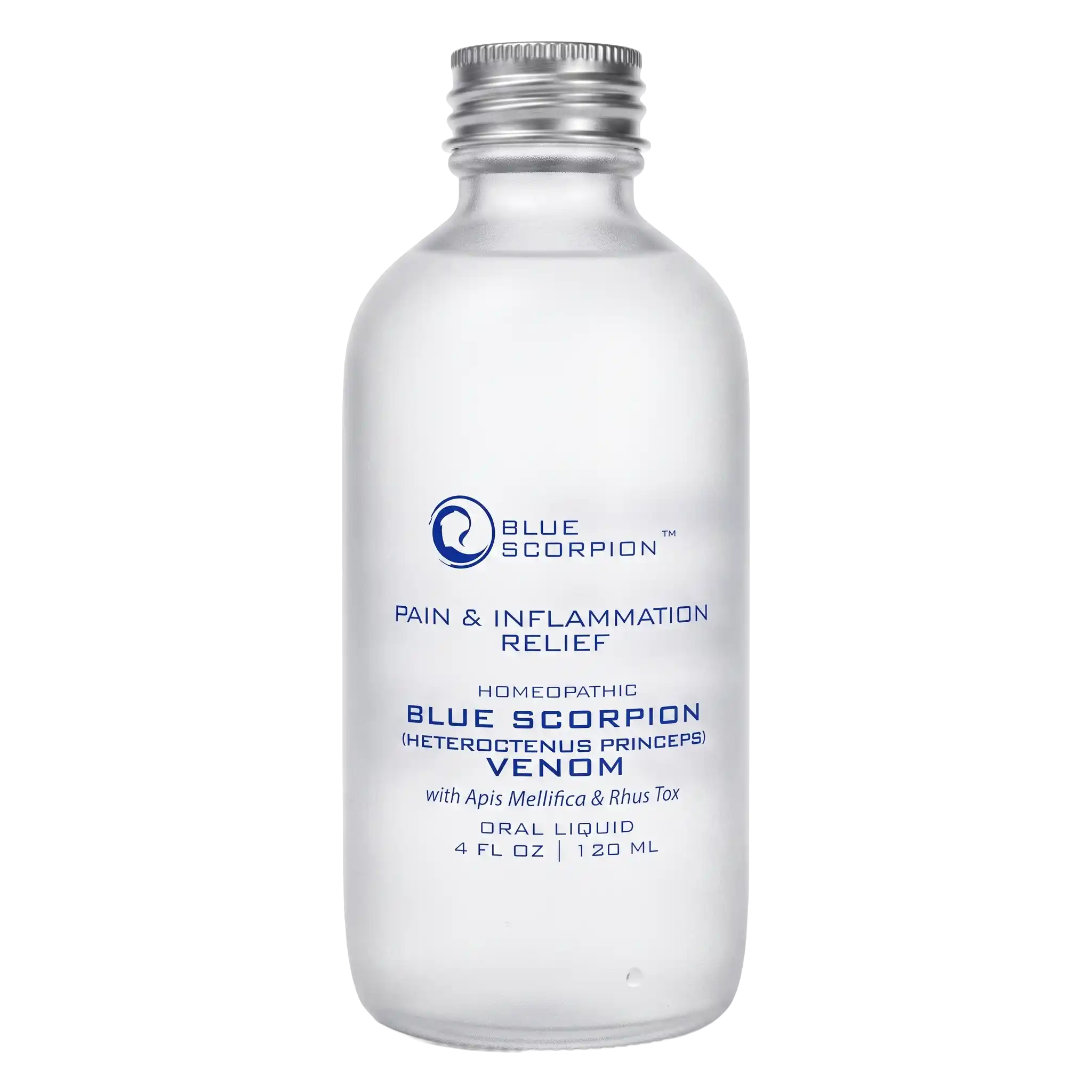
Blue Scorpion offers a natural, non-opioid, alcohol-free option designed to support whole-body relief. When inflammation affects multiple systems at once, a systemic approach can help restore balance without relying on synthetic ingredients.
In this article, you will learn which natural anti-inflammatory remedies have the strongest support, how they work in the body, and how to apply them in daily life. From food choices to targeted compounds, you will gain a clearer path toward lasting comfort.
Build Plates Around Anti-Inflammatory Foods
The best anti-inflammatory foods are usually easy to find. You don’t need to hunt down rare ingredients or spend a fortune to get started.
Try adding these foods to your regular meals:
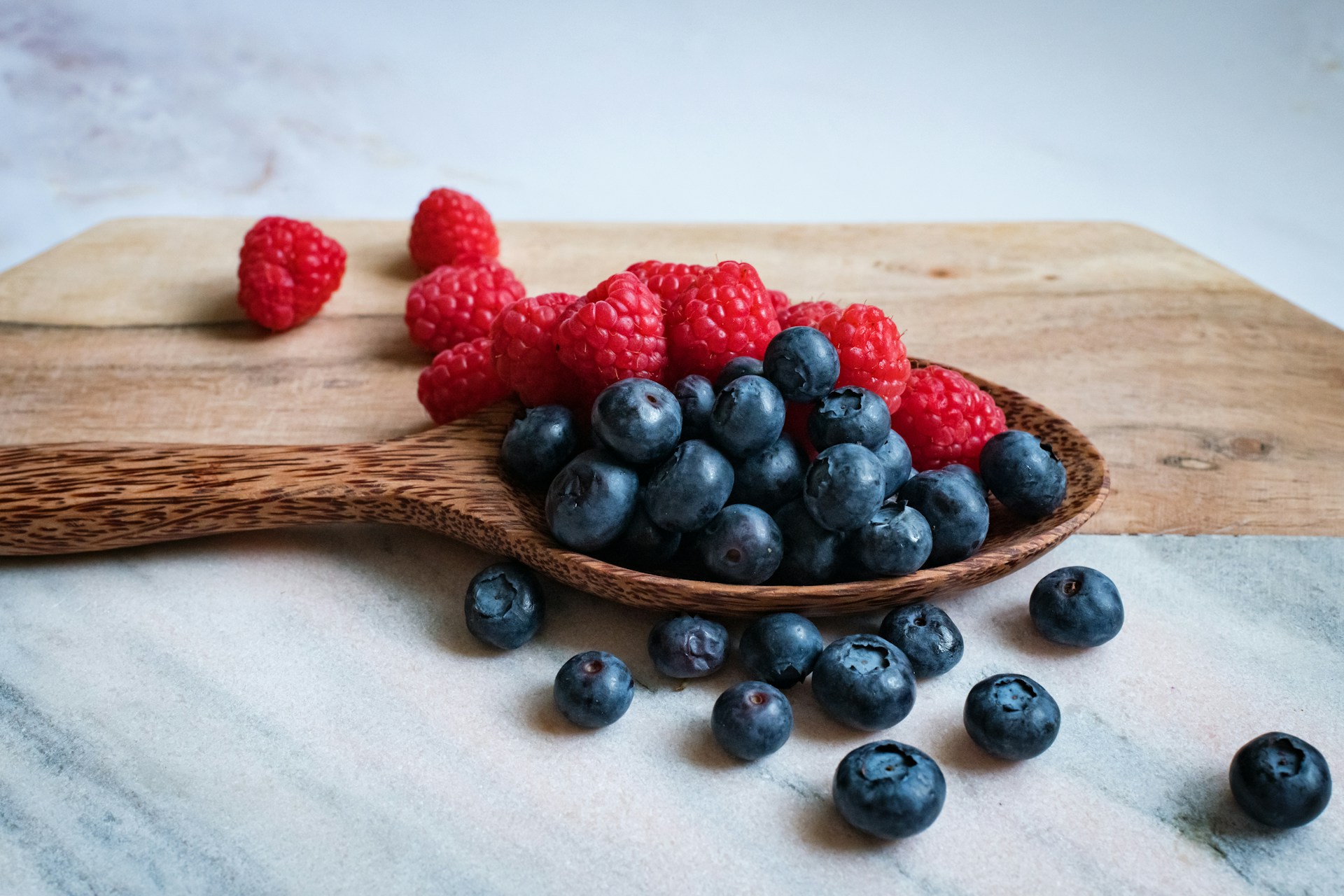
Berries: Blueberries, strawberries, and cherries pack polyphenols and antioxidants that help calm inflammation.
Fatty fish: Salmon, mackerel, tuna, and sardines give you omega-3s that lower inflammatory markers.
Leafy greens: Spinach and kale offer antioxidants and magnesium to support healthy cells.
Whole grains: These swap in for refined carbs, keeping blood sugar steadier and inflammation lower.
Olive oil: Oleocanthal in olive oil works a bit like basic anti-inflammatory meds.
Walnuts and oranges: Both bring antioxidants and other compounds that help balance inflammation.
Foods That Cause Inflammation to Cut Back First
Before you add new foods, look at what’s already on your plate. Processed meats, refined sugars, white bread, fried foods, and sugary drinks usually drive up inflammation.
You don’t need to overhaul everything at once. Swapping out just one processed food per meal for a whole food can make a difference over time.
How an Anti-Inflammatory Diet Fits Real Life
An anti-inflammatory diet doesn’t have to look perfect. Even small changes - like choosing salmon over a burger now and then, or tossing spinach into a smoothie - help your body lower inflammation.
It’s about consistency, not perfection. Those little choices stack up and build a strong foundation.
Natural Compounds With the Best Evidence
Research into natural anti-inflammatory compounds has really picked up in the last twenty years. A handful of ingredients keep showing up in studies as useful tools for lowering inflammation without daily NSAIDs.
Turmeric, Curcumin, and Turmeric With Black Pepper
Turmeric stands out as one of the most studied natural anti-inflammatories. Its active compound, curcumin, targets several inflammation pathways inside your cells.
There’s a catch: curcumin doesn’t absorb well on its own. When you combine turmeric with black pepper (specifically, piperine), your body can use curcumin much more efficiently.
Research suggests curcumin can lower inflammatory markers and support joint comfort. You can cook with turmeric or try a supplement for a stronger dose.
Ginger for Joints, Digestion, and Daily Recovery
Ginger has earned its reputation in both folk medicine and modern science. Gingerols and shogaols in ginger block inflammatory enzymes, kind of like some pain relievers.
It’s helpful for joint discomfort, digestion, and bouncing back after exercise. Ginger tea is an easy daily option. If you need more, ginger supplements offer a stronger punch.
Omega-3s From Fish and Seeds
Omega-3 fatty acids are probably the most proven natural option for managing chronic inflammation. They change how your body makes inflammatory compounds at the cell level.
The best sources are fatty fish like salmon, mackerel, tuna, and sardines. Flaxseeds, chia seeds, and walnuts are good plant-based options. Fish oil supplements help if your diet falls short.
Herbs and Spices Worth a Closer Look
Plenty of everyday herbs and traditional botanicals have real anti-inflammatory effects. Many have been used for centuries and now get support from research, too.
Garlic, Rosemary, Sage, Oregano, and Coriander
Garlic contains sulfur compounds that help reduce inflammatory cytokines. Eating garlic regularly may support your heart and help manage inflammation over time.
Rosemary, sage, oregano, and coriander each bring antioxidant compounds that fight free radicals. These herbs are easy to add to meals and give low-level, steady anti-inflammatory support.
Herb | Key Compound | Noted Benefit |
Garlic (Allium sativum) | Allicin, sulfur compounds | Reduces cytokine production |
Rosemary (Rosmarinus officinalis) | Rosmarinic acid | Antioxidant, joint support |
Sage | Ursolic acid | Anti-inflammatory activity |
Oregano | Carvacrol | Antioxidant and antimicrobial |
Coriander | Linalool | Anti-inflammatory support |
Capsaicin, Capsaicinoids, and Chili Heat
Capsaicin and related compounds give chili peppers their heat. When you apply capsaicin cream to your skin, it lowers the activity of substance P, a neurotransmitter that sends pain signals.
Capsaicin cream is a solid option for joint or nerve pain in a specific area. It works best if you stick with it for a few weeks. Some folks also find that eating spicy foods gives a mild, whole-body boost.
Panax Ginseng, Cardamom, and Other Traditional Botanicals
Panax ginseng brings ginsenosides, which research links to lower inflammation signaling. It’s been used for centuries to support energy and recovery.
Cardamom (Elettaria cardamomum) is another plant with proven anti-inflammatory effects. Cardamom supplements are popping up more and may help digestion and general inflammation. Quercetin, a flavonoid in many plants, can also lower inflammation markers, according to studies.
These botanicals might not be as famous as turmeric or ginger, but they deserve a spot in a well-rounded natural routine.
Supplements, Teas, and Concentrates
Whole foods set the stage, but supplements can fill gaps that food alone can’t always cover. For people who want to manage daily discomfort without relying on NSAIDs, the right supplement mix can genuinely help.
When Anti-Inflammatory Supplements Make Sense
Supplements make the most sense if your diet isn’t consistent, your needs are higher than food can supply, or you need a concentrated dose of something specific.
They’re not a substitute for healthy eating. They work best as part of a bigger routine that includes movement, rest, and plenty of whole foods.
Boswellia, Quercetin, and Green Tea Extract
Boswellia serrata stands out among herbal supplements for joint inflammation. It blocks enzymes that drive inflammation in joint tissue. Several studies back its use for less pain and better mobility in arthritis.
Quercetin works as a natural antihistamine and anti-inflammatory. It can lower inflammation markers tied to joints and metabolism. Green tea extract, packed with EGCG, is another antioxidant-rich option that research supports for systemic inflammation.
Homeopathic liquid formulas are worth mentioning. Liquids usually absorb faster than capsules or tablets. Products listed with FDA NDC numbers offer a level of credibility and help you spot quality options. Always check for clear ingredient lists and labels you can trust.
Quality, Absorption, and Safety Basics
Not all supplements are equal. Bioavailability can vary a lot between brands. Some blends include absorption helpers, like piperine with curcumin or GLA in certain herbs. Look for third-party testing, clear dosing, and transparent sourcing.
If you take blood thinners or other meds, talk to your doctor before adding boswellia, fish oil, or high-dose curcumin.
The Importance of Consistency With Natural Anti-Inflammatory Remedies
Consistency is key when using natural anti-inflammatory remedies because their effects build over time. Unlike fast-acting medications, these approaches support gradual improvements in how the body regulates inflammation and recovers from daily stress.
According to Johns Hopkins Medicine, long-term lifestyle and nutritional strategies are essential for managing inflammation effectively across the body.
How Relief Is Measured in the Body
Natural remedies can reduce inflammation in ways you feel, but also in ways your bloodwork shows. Knowing what your doctor checks can help you connect your daily choices to real health changes.
Inflammatory Markers Doctors May Track
Doctors often use blood tests to check for certain inflammation markers if they suspect chronic inflammation. These results give a quick look at how active inflammation is in your body right now.
Common markers include:
C-reactive protein (CRP): Rises fast when inflammation spikes; often used as a general warning sign.
Tumor necrosis factor (TNF): A protein that helps control inflammation and immune responses.
Interleukins: Proteins that manage inflammation activity throughout your system.
Erythrocyte sedimentation rate (ESR): Measures how quickly red blood cells settle, which goes up with inflammation.
C-Reactive Protein and Tumor Necrosis Factor
C-reactive protein is one of the top markers for chronic inflammation. High CRP links to joint issues, heart problems, and metabolic diseases.
Tumor necrosis factor controls immune cells and starts inflammation. High TNF levels show up in conditions like rheumatoid arthritis and inflammatory bowel disease. Research shows that curcumin and omega-3s can lower CRP and TNF, at least in some people.*
*These statements come from available studies and aren’t medical advice. Your results may be different.
Why Symptoms and Lab Results Do Not Always Match
Here’s something tricky: how you feel and your lab numbers don’t always match. Some people have high inflammation in their blood but little pain. Others hurt a lot, even when labs look fine.
This mismatch happens a lot. It doesn’t mean your symptoms aren’t real - it just means inflammation is complicated and personal. The best way is to track both your symptoms and your labs over time to see how your natural anti-inflammatory efforts are working.
Where Natural Options May Offer Added Support
Natural anti-inflammatories don’t take the place of medical care for serious problems. But they can offer real support in situations where lowering inflammation matters.
Joint Pain, Training Recovery, and Muscle Soreness
If you’re active, natural remedies work well as part of your recovery plan. Omega-3s, curcumin, ginger, and boswellia all have evidence behind them for easing exercise-related inflammation and muscle soreness.*
Sticking to a routine that includes these - both before and after workouts - can help your body bounce back faster. Non-opioid, alcohol-free homeopathic liquids are catching on with athletes for the same reason. They give quick, whole-body support without the worries of prescription pain meds.
*These statements are based on research and don’t replace medical advice. Your experience may be different.
Digestive Issues Including Inflammatory Bowel Disease
Gut inflammation isn’t easy to spot, but it can seriously affect your health. When the immune system stays active in the digestive tract, you get conditions like inflammatory bowel disease.
Researchers have looked at curcumin and boswellia serrata for digestive inflammation. The studies show some promising results.
Omega-3 fatty acids and ginger help gut health too, though they work in different ways. These compounds don’t cure or treat inflammatory bowel disease. Still, they might support your gut when used with a treatment plan.*
*These statements rely on current research and aren’t meant as medical advice. Everyone’s experience may be different.
Heart and Metabolic Health Considerations
Chronic inflammation drives cardiovascular disease and metabolic issues like type 2 diabetes. Olive oil, fatty fish, and omega-3s offer real support for heart health. Studies keep showing that these natural anti-inflammatories make a difference.
Eating anti-inflammatory foods and using the right supplements can lower the markers tied to these problems. When you add in some movement and better sleep, you really give your body a fighting chance. Honestly, it’s those small, steady habits that end up making the biggest impact over time.
Building Lasting Comfort With Natural Anti-Inflammatory Remedies
Natural anti-inflammatory remedies offer a practical way to support your body when inflammation becomes a daily concern. By combining anti-inflammatory foods, targeted compounds, and supportive habits, you can help reduce discomfort, improve recovery, and support overall balance.*
Blue Scorpion fits into this approach by providing a natural option that works systemically across the body. When combined with consistent lifestyle habits, it helps support a more stable inflammatory response and promotes long-term comfort without synthetic strain.*
If you are ready to feel more consistent relief, focus on natural anti-inflammatory remedies that support your body every day. Get Relief and start supporting your recovery today.
Frequently Asked Questions
What are natural anti-inflammatory remedies?
Natural anti-inflammatory remedies are foods, herbs, and lifestyle strategies that help reduce inflammation in the body. They support the body’s natural immune balance rather than forcing a rapid response.
How do natural anti-inflammatory remedies work?
Natural anti-inflammatory remedies work by reducing inflammatory signals and supporting immune regulation. They often act at the cellular level to help the body maintain balance over time.
Can natural anti-inflammatory remedies help with joint discomfort?
Natural anti-inflammatory remedies can help with joint discomfort by reducing inflammation that contributes to stiffness and soreness. Consistent use is typically needed for noticeable results.
How long do natural anti-inflammatory remedies take to work?
Natural anti-inflammatory remedies take time to work because they support gradual changes in the body. Some effects may be noticed in a few weeks, while others take longer with consistent use.
Are natural anti-inflammatory remedies enough on their own?
Natural anti-inflammatory remedies can be enough for mild symptoms, but they often work best when combined with diet, exercise, and recovery habits that support overall health.