

Best supplements for muscle recovery become essential when soreness, fatigue, and slow bounce-back start affecting your training. You might feel tight the next day, struggle to maintain performance, or notice that recovery takes longer than it used to. These are signs your body needs better support, not just more effort.
Blue Scorpion offers a natural, non-opioid, alcohol-free option that fits into a recovery routine focused on whole-body support. When inflammation, muscle fatigue, and nerve discomfort overlap, a systemic approach can help you recover more consistently without adding synthetic strain.
In this article, you will learn how to choose the best supplements for muscle recovery based on your training style and goals. You will also see how to combine them into a routine that supports strength, endurance, and long-term performance.
Protein Powders That Support Repair and Growth
Protein is still the most straightforward tool for muscle repair and growth. After hard training, your muscles break down and need amino acids to rebuild. Without enough protein, that process just doesn’t work right.
Whey protein isolate is fast-absorbing and gives you all the essential amino acids. Plant-based blends are great for anyone avoiding dairy. Honestly, hitting your daily protein goal matters more than the exact type you pick.
Aim for 20 to 40 grams of protein within two hours after your workout. Doing this consistently over time pays off more than stressing about the perfect timing.
Creatine for Strength, Energy, and Faster Turnaround
Creatine monohydrate helps your body make ATP, which fuels those short, intense efforts. It also lowers muscle damage markers and helps you recover between sessions.
Most research points to 3 to 5 grams daily as the sweet spot. You don’t need to load up or buy fancy versions. Plain creatine monohydrate is still the most studied and affordable option out there.
Amino Acids for Soreness, Fatigue, and Muscle Retention
Branched-chain amino acids (BCAAs) and essential amino acids (EAAs) help kickstart muscle protein synthesis and can reduce soreness. Leucine is especially important - it’s the main trigger for building new muscle after you train.
BCAAs are most useful if you train fasted or if your protein intake is low. For most people eating enough protein, EAAs give broader support.
Protein, EAAs, and BCAAs After Training
The whole debate about protein powder, EAAs, or BCAAs depends on context. Your daily intake and goals decide what fits best.
Whey Protein Isolate vs Plant-Based Protein
Whey protein isolate is quickly absorbed and has all nine essential amino acids. It’s great post-workout when you want fast support for muscle repair.
Plant-based proteins, like pea or rice blends, work just as well if the amino acid profile is complete. These days, taste and texture have improved a lot for plant options. If you care about non-GMO or gluten-free, there are plenty of choices.
Leucine, Isoleucine, and Valine in Muscle Protein Synthesis
Leucine, isoleucine, and valine are the three BCAAs. Leucine is the main one for muscle protein synthesis. If you don’t get enough, your body won’t get the full muscle-building signal after training.
Most whole protein sources pack enough leucine. BCAA supplements are mainly useful if your diet is missing complete proteins or your training volume is really high.
When BCAAs Make Sense and When Complete Protein Wins
BCAAs are handy during fasted cardio or long endurance sessions where muscle breakdown is a worry.
They’re also a low-calorie way to help muscle retention between meals. But for post-workout recovery, a complete protein source with all essential amino acids beats BCAAs alone. If you have to pick one, go for the complete protein.
Creatine and Carbs for Refilling the Tank
Creatine and carbs work together to restore what tough training depletes. Both glycogen and phosphocreatine get used up during intense workouts, and refilling them helps you get ready for the next round.
Why Creatine Monohydrate Still Leads the Pack
Creatine monohydrate has decades of research behind it. It boosts strength, supports muscle gains, and shortens recovery time between hard sessions. No other creatine form has consistently beaten it in studies.
Micronized creatine mixes more easily and can be gentler on the stomach, but the creatine itself is the same. Both work at the same daily dose.
Micronized Options, Serving Size, and Daily Use
Stick to 3 to 5 grams daily - more doesn’t mean better and might just upset your stomach.
Taking it every day matters more than exact timing. Some products mix creatine with L-carnitine L-tartrate for extra recovery support, while others keep it simple with just creatine. Either approach can work depending on your needs.
Carbs, Glycogen, and Post-Workout Drinks
Carbs help refill your glycogen stores, so you’re fueled for your next workout. Fast-digesting carbs after training are especially helpful after high-volume sessions. Some products use cluster dextrin for quick absorption without causing stomach issues.
Others add ingredients like corosolic acid to help with glucose uptake. Combining creatine and carbs in a post-workout drink covers two big recovery needs at once.
Hydration, Electrolytes, and Inflammation Support
Staying hydrated and managing inflammation are both crucial for recovery. Losing electrolytes during training affects muscle function, and too much inflammation slows down repair.
The best electrolyte drinks replace sodium, potassium, magnesium, and chloride lost through sweat. Anti-inflammatory ingredients like omega-3s and tart cherry help on the cellular level.
How Inflammation Impacts Muscle Recovery
Inflammation is a natural response to training, but too much can slow down recovery and increase soreness. Managing inflammation through nutrition and supplementation helps the body repair tissue more efficiently.
Research from the Cleveland Clinic explains how recovery improves when inflammation is properly managed after physical stress.
Electrolytes for Heavy Sweaters and Endurance Training
If you sweat a lot or train for endurance, you lose more sodium and electrolytes than most basic post-workout drinks replace. Dedicated electrolyte supplements fill that gap without loading you up with sugar or artificial junk.
Magnesium helps with muscle relaxation and better sleep, which ties right into recovery. Zinc supports protein synthesis and immune health. Both are worth checking for in your electrolyte formula.
Taurine, often found in electrolyte mixes, can help reduce muscle fatigue and support hydration at the cellular level.
Omega-3s, Fish Oil, and Anti-Inflammatory Support
Omega-3 fatty acids help reduce exercise-induced inflammation and support joint comfort. Fish oil is the most common source. Look for at least 1,000 mg of combined EPA and DHA per serving.
Taking omega-3s daily works better than just high doses around workouts. They gradually shift your body’s inflammatory response over weeks. They’re one of the most research-backed anti-inflammatory supplements you’ll find.
Tart Cherry, Turmeric, and Other Recovery Add-Ons
Tart cherry is one of the most researched natural recovery aids. Its antioxidants help lower muscle soreness and can even improve sleep after tough training. Vitacherry is a concentrated extract that pops up in several recovery products.
Turmeric’s active compound, curcumin, supports a healthy inflammatory response. It works best with black pepper extract to boost absorption. These add-ons complement your main stack but don’t replace it.
If you want to avoid NSAIDs and pharmaceuticals, homeopathic formulas are another route for inflammation support. Some peptide-derived, venom-based formulas tested in ISO 17025 accredited labs offer nerve pain relief and systemic comfort - without any banned substances.
Sleep, Stress, and the Hidden Side of Recovery
Most muscle repair happens while you sleep. If your sleep quality is off, your recovery will suffer no matter what else you take. Supplements that improve sleep depth and lower overnight stress hormones can make a real difference in how you feel the next day.
Why Sleep Quality Changes How You Feel Tomorrow
Deep sleep triggers growth hormone release, which drives muscle and tissue repair. Even small drops in sleep quality can blunt that process. That’s why sleep-focused supplements deserve a spot in your recovery plan.
Stress hormones like cortisol stay higher when you sleep poorly, which can break down muscle tissue. Managing sleep is just as important as managing your workouts.
Melatonin, Magnesium, Glycine, and L-Theanine
Melatonin helps regulate your sleep cycle. Most people do well with 0.5 to 3 mg. Taking more won’t improve sleep and might leave you groggy. Magnesium glycinate promotes relaxation and deeper sleep.
Glycine before bed lowers your core body temperature, signaling the body to rest. L-theanine helps reduce mental tension without making you feel sedated. Some products combine these ingredients at research-backed doses, which can make your routine easier to stick to.
Adaptogens and Nighttime Formulas Worth Considering
Ashwagandha and other adaptogens help lower cortisol and support stress resilience. They work best when taken regularly over weeks, not just once. Some nighttime recovery formulas add adaptogens to magnesium and glycine for a more complete approach.
Rutaecarpine, found in certain sleep and recovery formulas, helps your body clear caffeine faster. That’s handy if you train late and use pre-workouts.
How to Choose Without Falling for Hype
Not every supplement does what it claims. Knowing what to look for protects your wallet and your health. Third-party testing, clean labels, and honest dosing are the main filters to use before buying anything.
Third-Party Testing, NSF Certified for Sport, and Labdoor
Third-party testing ensures what’s on the label is actually in the bottle, and that banned substances aren’t hiding inside. NSF Certified for Sport is highly respected by competitive athletes. Labdoor independently tests supplements for label accuracy and purity.
Athletes who get drug tested need these certifications. TruShield certification screens for over 400 banned substances in ISO 17025-accredited, WADA-based labs. Picking certified products takes out the guesswork.
Labels That Matter for Athletes and Ingredient-Conscious Shoppers
Label | What It Signals |
NSF Certified for Sport | No banned substances, label accuracy |
TruShield Certified | 400+ banned substance screens, WADA-based testing |
Gluten-Free | Safe for gluten-sensitive athletes |
Non-GMO | Ingredient sourcing transparency |
Alcohol-Free | Clean formula for those avoiding alcohol |
Non-Opioid | Safe for daily use without dependency concerns |
Plant-based and gluten-free labels matter for anyone with dietary restrictions. Alcohol-free and non-opioid markers are good to look for in homeopathic or liquid recovery products.
Price, Taste, Guarantees, and Brand Transparency
Price per serving is a better way to compare than price per container. A cheap tub with low doses costs more in the long run than a well-dosed product at a higher price.
Taste matters. If you hate how something tastes, you’ll skip it. Brands with money-back guarantees often show more confidence in their product.
Transparency means clear labeling, published test results, and honest marketing. Brands that avoid vague claims and proprietary blends with hidden doses are usually more trustworthy.
When Muscle Recovery Goes Beyond Supplements Alone
For many athletes, soreness is not just about one muscle group. It builds across sessions. Joints feel tight, nerves feel irritated, and fatigue lingers longer than expected. At that point, stacking more supplements does not always solve the problem.
This is where recovery shifts from isolated nutrients to a more systemic approach. Muscle repair, inflammation, nerve sensitivity, and sleep all interact. If one area stays off, your overall recovery slows down.
A Systemic Approach to Pain and Inflammation
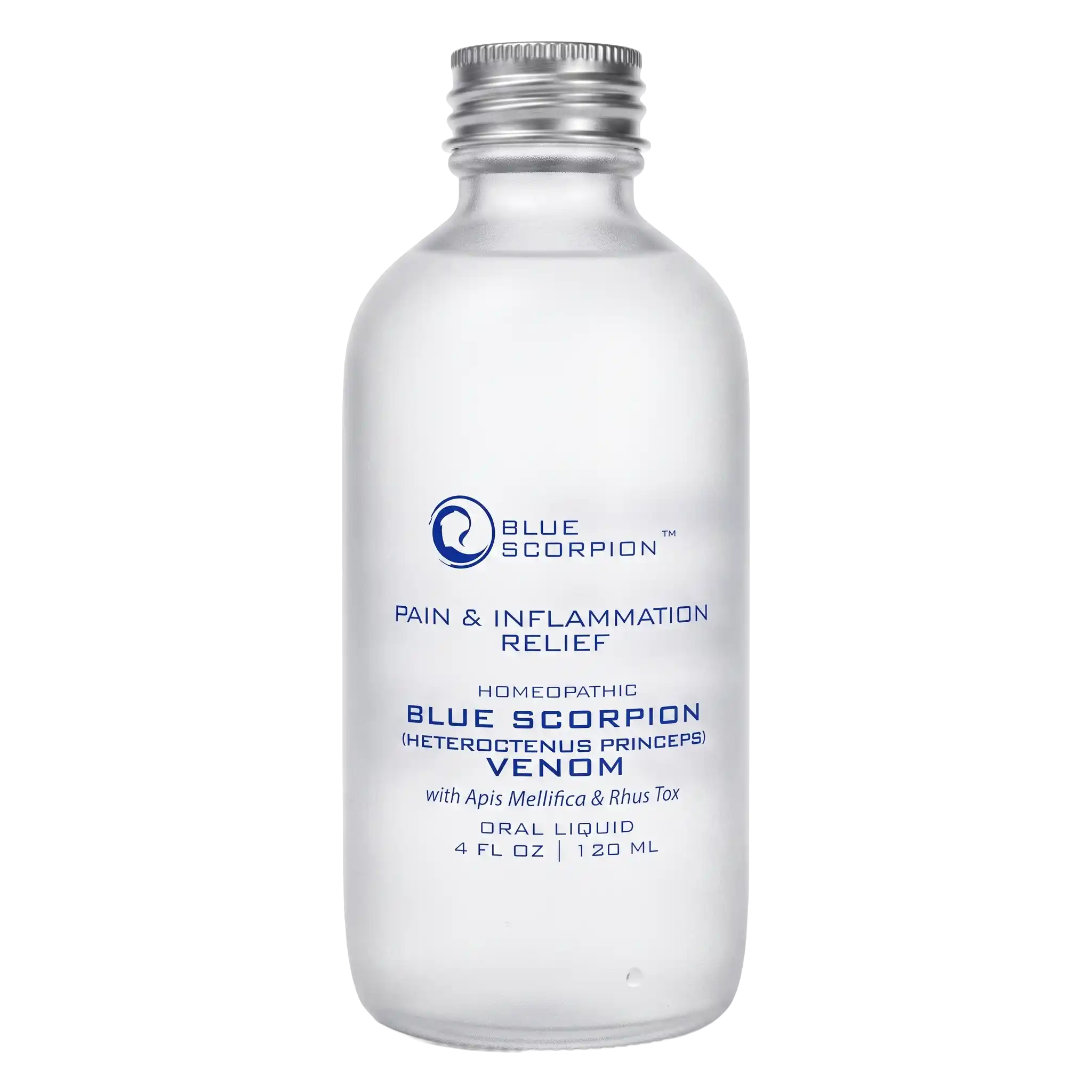
Blue Scorpion Pain and Inflammation Relief is designed for this exact situation. It supports multiple types of discomfort at once, including joint stiffness, nerve sensitivity, and post-training soreness, without relying on opioids or alcohol.
The formula is built around Heteroctenus Princeps, a peptide-rich venom sourced from the Caribbean and processed through a patented polarization method. Combined with Apis Mellifica and Rhus Toxicodendron, it delivers a broader form of support that fits into real training routines.
Instead of focusing on just protein synthesis or hydration, this approach works across systems. That matters when recovery is not just muscular, but neurological and inflammatory at the same time.
Why This Matters for Fighters and High-Intensity Athletes
In sports like MMA, jiu-jitsu, and high-volume strength training, recovery is not optional. You are dealing with:
Repetitive joint stress
Nerve compression and impact
Inflammation that carries from session to session
Sleep disruption after intense training
These are not single-symptom problems. They require support that matches how the body actually breaks down under load.
A non-opioid, alcohol-free homeopathic formula gives athletes a way to stay consistent without introducing substances that interfere with focus, performance, or routine. This is especially important for those who train daily and need to stay sharp.
Built for Daily Use, Not Just Post-Workout
Some recovery tools are only useful right after training. Others, like protein or creatine, support long-term adaptation. Systemic homeopathic support fits into both.
It can be used:
After training to support recovery
During high-volume cycles to help manage accumulated stress
At night to support comfort and better rest
Because it is FDA NDC-listed, it meets a recognized standard for quality and labeling. That matters for athletes who care about what they put into their bodies and want transparency in their recovery stack.
Where It Fits in Your Routine
Think of this type of support as the layer that connects everything else you are already doing.
Protein rebuilds muscle
Creatine restores energy
Electrolytes support hydration
Sleep drives repair
This kind of formula helps manage the overall load on your system, especially when multiple stressors overlap. Used consistently, it supports a more stable recovery pattern and helps you stay on track with your training without constantly resetting from soreness or fatigue.
Goal-Based Picks for Different Training Styles
The best muscle recovery supplements depend on your training style. A powerlifter and a marathon runner need different tools, even if there’s some overlap.
Best Fits for Strength and Hypertrophy
If you’re focused on muscle mass and performance, here’s what usually works best:
Creatine monohydrate at 3 to 5 grams daily
Whey protein isolate or a high-leucine protein powder after workouts
HMB for muscle retention during calorie cuts
L-glutamine to support gut health and muscle recovery
A TruShield-certified, peptide-derived homeopathic formula for inflammation support without banned substances
Consistent protein and daily creatine drive the biggest results. The rest fill specific gaps as needed.
Best Fits for Endurance and High-Volume Training
Endurance athletes and those training at high volumes look for:
Electrolyte drinks with sodium, potassium, and magnesium
Tart cherry extract for less soreness and better sleep
Omega-3s to help manage inflammation over time
L-carnitine L-tartrate, which supports fat metabolism and may limit muscle damage
Probiotics to keep gut health in check when training gets tough
After a long session, fast-digesting carbs help restore glycogen. A post-workout drink that mixes carbs and creatine? That’s a smart move.
Best Fits for Plant-Based and Sensitive Stomachs
Plant-based athletes and folks with sensitive stomachs should keep an eye out for:
Non-GMO, gluten-free plant proteins that offer all essential amino acids
Micronized creatine monohydrate - it mixes better and feels lighter on digestion
Magnesium glycinate, since magnesium oxide tends to upset the gut more
A solid green powder to help fill in any micronutrient gaps
If you avoid dairy, try a top-notch casein alternative for nighttime recovery
For this crowd, the best post-workout supplement is one that covers protein and creatine but doesn't upset your stomach. Clean, simple ingredient lists usually work best for sensitive guts.
Building a Smarter Muscle Recovery Routine
Best supplements for muscle recovery are most effective when they are part of a structured routine rather than quick fixes. By combining protein, creatine, hydration, and recovery support, you can reduce soreness, improve performance, and help your body recover more efficiently over time.
Blue Scorpion supports this approach by offering a natural, non-opioid, alcohol-free option that fits into a broader recovery system. When used alongside sleep, nutrition, and training habits, it helps support consistent recovery and daily performance.
If you are ready to improve how your body recovers, focus on the best supplements for muscle recovery that fit your routine. Get Relief and start supporting your recovery today.
Frequently Asked Questions
What are the best supplements for muscle recovery?
The best supplements for muscle recovery typically include protein, creatine, and amino acids. These support muscle repair, energy restoration, and reduced soreness.
How do the best supplements for muscle recovery work?
The best supplements for muscle recovery work by helping rebuild muscle tissue, restore energy stores, and support the body’s response to exercise stress.
Can the best supplements for muscle recovery reduce soreness?
The best supplements for muscle recovery can help reduce soreness by supporting muscle repair and managing inflammation after workouts.
When should I take the best supplements for muscle recovery?
The best supplements for muscle recovery are often taken after workouts, but some, like creatine, are used daily for consistent support.
Are the best supplements for muscle recovery safe for daily use?
The best supplements for muscle recovery are generally safe for daily use when taken as directed. It is important to choose high-quality products and follow recommended doses.